You’ve probably found yourself pondering, “Are carrots included in the Mediterranean diet?” Well, isn’t that an interesting question! Carrots are pretty versatile after all – you can juice them, grill them, roast them, or eat them raw. They’re delicious any which way, but how do they fit into the Mediterranean diet?
In this article, JD dived deeper into this topic, revealing intriguing facts about carrots and their place in the Mediterranean diet. You’re about to learn not just about carrots, but more interestingly, how they beautifully blend into this heart-healthy, family-friendly diet. JD also shares how this focus on high-quality, nutritious food is ideal for maintaining long-term health and creating enriching mealtime experiences with his children. So, get ready to enrich your knowledge and expand your dietary horizons.
Understanding the Mediterranean Diet
Concept and Origin of the Mediterranean Diet
The Mediterranean Diet is a dietary pattern that embodies the traditional eating habits of people from countries bordering the Mediterranean Sea, such as Spain, France, Greece, and Italy. It goes beyond simply food; it is a lifestyle that encourages regular physical activity, enjoying meals with family, and a balance of all food categories.
The diet has gained worldwide recognition for its numerous health benefits. It’s believed to play a pivotal role in promoting heart health, regulating blood sugar, managing weight, and even longevity.
Basic Dietary Constituents of the Mediterranean Diet
The Mediterranean diet mainly emphasizes whole foods. It includes a high intake of vegetables, fruits, legumes, whole grains, and healthy fats like olive oil. Alongside these, moderate amounts of fish, dairy products, poultry, and eggs are incorporated. Processed foods, sugary drinks, and desserts are rarely included and red meat is consumed sparingly.
Role of Vegetables in The Mediterranean Diet
Importance of Vegetables in this Diet
Vegetables play a particularly crucial role in the Mediterranean Diet, as they are consumed in abundance. These are rich sources of vitamins, minerals, antioxidants, and fibers that are essential for optimal nutrition and disease prevention.
Commonly Consumed Vegetables in a Mediterranean Meal
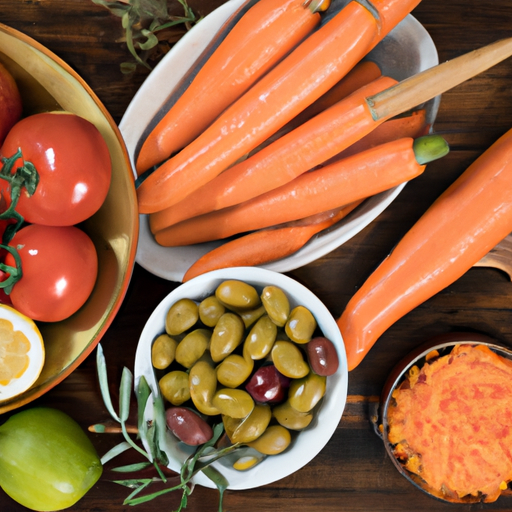
The Mediterranean meal plan includes several types of vegetables like tomatoes, cucumbers, onions, bell peppers, eggplants, zucchinis, and of course, the ever so versatile – carrots.
Carrots: Nutritional Profile
Health Benefits of Carrots
Carrots are packed with key nutrients that contribute to overall wellbeing. They boast a high content of beta-carotene, a powerful antioxidant which the body converts into vitamin A. Regular consumption of carrots can support healthy eyesight, boost the immune system, and promote skin health.
Vitamins and Minerals Present in Carrots
Besides being an excellent source of Vitamin A, carrots also contain a significant amount of vitamins C, K, and several B vitamins. They are also rich in minerals like potassium, iron, and copper.
Are Carrots Included in the Mediterranean Diet?
Reasons for Carrot’s Inclusion in the Diet
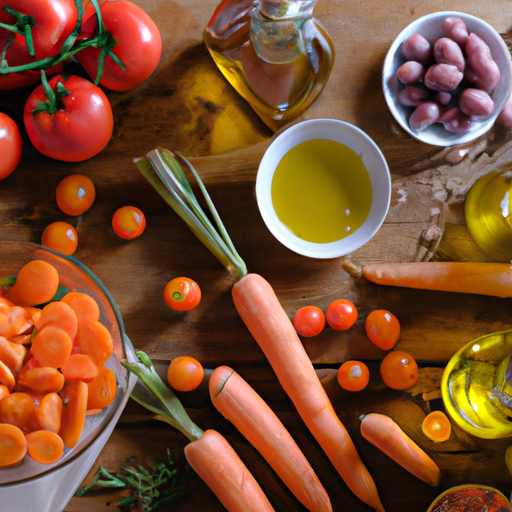
Yes, carrots are indeed an integral part of the Mediterranean Diet. Their high nutritional value, along with their versatility makes them a great addition.
How Mediterranean Cultures Incorporate Carrots in Dishes
In the Mediterranean Diet, carrots are consumed in a variety of ways – they can be enjoyed raw as snacks, grated in salads, boiled, roasted, or even pureed into soups.
Carrots: Consumed Raw or Cooked?
Comparing Nutritional Benefits
Raw carrots are more crunchy and hydrating, while cooked carrots tend to have a milder, sweeter taste. From a nutritional standpoint, both raw and cooked carrots are beneficial. The cooking process enhances the beta-carotene content and availability in carrots, which can be more easily assimilated by the body.
Traditional Mediterranean Ways to Prepare Carrots
Traditionally, the Mediterranean cuisine incorporates carrots in a variety of ways, from using them as key ingredients in soups and stews to baking them as side dishes or incorporating in dips.
Dishing the Mediterranean Way
Steps for Making Carrot-Based Mediterranean Meals
Preparing a carrot-based Mediterranean meal is straightforward. You may opt to incorporate them into a chunky vegetable stew, toss grated carrots into a Greek-style salad, or roast them with a drizzle of olive oil and a sprinkle of your preferred spices for a nutritious side dish.
Adding Variety to your Carrot Dishes
Adding a variety of herbs and spices not only enhances the flavor but also increases the nutritional value of your carrot dishes. Herbs like parsley, basil, and thyme ubiquitous in the Mediterranean cuisine can greatly elevate the taste of carrot dishes.
Involvement of Family in the Mediterranean Diet Lifestyle
Promoting Healthy Eating Habits at Home
Incorporating the Mediterranean diet at home is a fantastic way to nurture healthy eating habits within the family. Share the process of meal preparation with your kids; let them feel the different textures, enjoy the vibrant colors of vegetables like carrots, and savor the delicious tastes of these nutritious dishes.
Making Meal Preparation a Family Activity
Turning meal preparation into a fun, family event not only strengthens the familial bond but also boosts enthusiasm for healthy eating. This culinary adventure can inspire your family to love and appreciate the flavors of the Mediterranean Diet.
Other Carrot Alternatives in Mediterranean Diet
Other Vegetables Used in this Diet
Besides carrots, other commonly used vegetables in the Mediterranean Diet include tomatoes, bell peppers, zucchini, eggplants, spinach, cucumbers, and many more.
Benefits and Usage of These Vegetables in the Diet
Each of these vegetables brings unique nutrients and flavors to the meals. Like carrots, they can be eaten raw, roasted, boiled, or incorporated into various dishes.
Maintaining a Balanced Mediterranean Meal
Balancing the Different Food Groups in the Diet
In the Mediterranean Diet, it’s important to strike a balance between different food groups. A typical meal would be rich in vegetables, complemented by moderate amounts of proteins and grains alongside healthy fats.
Importance of Portion Control in Meal Planning
Portion control is another key element of the Mediterranean diet. Even with healthier choices, excessive quantities can tip the balance, leading to weight gain. Selecting a variety of foods in appropriate portions is the key to maintaining nutritional balance and to a healthier life.
Conclusion: Carrots in the Mediterranean Diet
Summarizing the Importance of Carrots
To summarize, yes, carrots are indeed a part of the Mediterranean Diet. Their versatility and nutritional profile make them a valuable addition to your meal plan.
Relevance and Health Benefits of Maintaining a Mediterranean Diet
Maintaining a Mediterranean Diet is immersive and beneficial, with a particular emphasis on the quality of foods consumed and the communal aspect of meal sharing. Introducing carrots and other healthy food options can substantially enhance the nutritional value of meals, advancing your road to a healthier lifestyle. It was developed with longevity in mind, so it’s a sustainable way of eating designed to maintain good health throughout your life. So enjoy the journey of eating the Mediterranean way with your family and reap the numerous, long-lasting health benefits.
Leave a Reply