So you’re wondering, “Are eggs good on a Mediterranean diet?” It’s a question a lot of health-conscious food lovers, just like you, ponder upon. This buzz around the Mediterranean diet isn’t for nothing, it’s one of the healthiest ways to nurture your body while tantalizing your taste buds with flavors that are fresh and vibrant. JD, the mastermind behind www.mediterraneandietrecipes.net, certainly enjoys diving into these types of queries. He is all about exploring and sharing knowledge about this phenomenal food lifestyle. And why not, right? It’s all in the interest of enhancing your health, while creating delicious memories with your family.
Get ready to learn more about eggs’ place in the Mediterranean diet, in the upcoming article. You’ll discover the nutrients that eggs might add to your diet, their health benefits, and how to ensure they fit within Mediterranean guidelines. Reading the article is like taking a mini-vacation to the azure coast of the Mediterranean, browsing the bustling marketplaces, and savoring the captivating aromas of a home-cooked meal. Plus, JD is dedicated to providing well-researched, accurate information, ensuring that you don’t just leave with the delightful memory of a good read, but also useful, practical knowledge that you can apply right away in your own kitchen.
Understanding the Mediterranean Diet
The Mediterranean diet is a way of eating that reflects the traditional cuisine of countries bordering the Mediterranean Sea. It is not just about the food, but also about sharing meals and cherishing moments with family.
Basics of the Mediterranean Diet
The Mediterranean diet is rich in fruits, vegetables, whole grains, and lean proteins such as fish and poultry. Olive oil is the primary fat source, replacing butter and other saturated fats found in typical western diets. Regular physical activity and the enjoyment of fresh, locally-sourced food with family and friends are also important aspects of this lifestyle.
Primary Food Components in the Mediterranean Diet
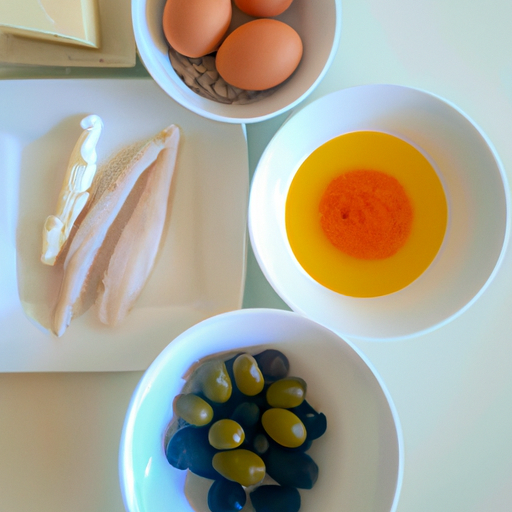
The cornerstone of the Mediterranean diet food pyramid includes fruits, vegetables, whole grains, beans, nuts, legumes, olive oil, and flavorful herbs and spices. Fish and seafood is the primary source of protein, followed by poultry, eggs, cheese, and yogurt.
Health Benefits of the Mediterranean Diet
Numerous studies have shown that the Mediterranean diet can offer numerous health benefits such as improving heart health, aiding in weight loss, managing Type 2 diabetes, and enhancing longevity.
Role of Protein in the Mediterranean Diet
Sources of Protein on Mediterranean Diet
In the Mediterranean diet, protein sources are primarily from fish and poultry. However, eggs, dairy products, legumes, and nuts also provide a good amount of protein.
Recommended Daily Intake of Protein
The amount of required protein can vary based on individual factors like age, sex, and level of physical activity. Typically, adult women need about 46 grams per day, while adult men need 56 grams.
Balance of Protein Foods in Mediterranean Diet
In maintaining balance, the Mediterranean diet suggests moderation in protein consumption, especially from animal sources. This can be achieved by eating more plant proteins and lean animal proteins like poultry, eggs, and seafood.
Eggs as a Protein Source
Nutritional Value of Eggs
Eggs are a great source of complete protein – meaning they contain all the essential amino acids your body needs. They’re also packed with vitamins and minerals like Vitamins D, B6, B12, selenium, and choline.
Egg Consumption and Cardiovascular Health
While eggs do contain cholesterol, they also contain nutrients that may help lower the risk for heart disease, including proteins, vitamins B12 and D, riboflavin, and folate.
Protein Quality in Eggs
Eggs are a good source of high-quality protein, and more than half the protein of an egg is found in the egg white.
Eggs in the Mediterranean Diet
Common Uses of Eggs in Mediterranean Cuisine
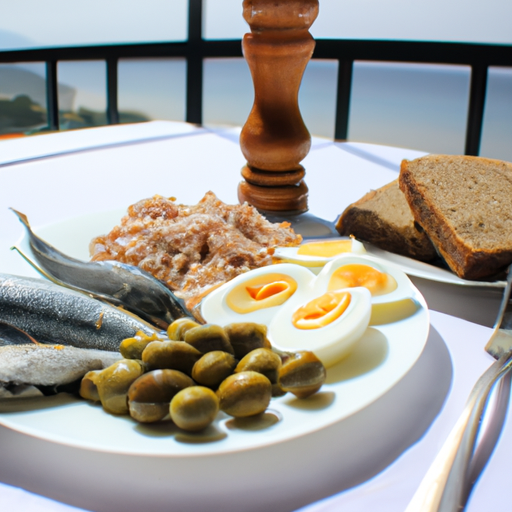
Eggs are often used in Mediterranean cuisine as a protein source in many recipes, from omelets and shakshuka to frittatas and custards.
Tips for Making Eggs the Mediterranean Way
The key to making eggs the Mediterranean way is to combine them with lots of vegetables, legumes, and whole grains.
Variety of Egg Dishes in Mediterranean Diet
Mediterranean cuisine showcases eggs in a variety of versatile dishes. Whether it’s a simple veggie frittata, an egg-enriched pasta, or baked eggs in tomato sauce, there’s a Mediterranean egg dish for every taste.
Eggs and Health Risks
Debate on Eggs and Cholesterol Levels
It’s true that eggs are high in cholesterol. However, the cholesterol in eggs does not appear to affect blood cholesterol levels the same way saturated fat does.
Diabetes and Egg Consumption
A number of studies have suggested that high levels of egg consumption (6 per week or more) may increase the risk of Type 2 diabetes.
Allergies and Eggs
Some individuals, especially children, may have an allergic reaction to eggs. Symptoms can be mild to severe, always consult with a healthcare provider if such events happen.
Benefits and Risks of Consuming Eggs on the Mediterranean Diet
Eggs and Weight Management
Eggs are a great food to help lose weight. They’re low in calories, high in protein, and are incredibly satisfying.
Heart Health and Egg Consumption on Mediterranean Diet
Moderate egg consumption can fit within heart-healthy eating patterns and isn’t associated with an increased risk of cardiovascular disease.
Eggs and Nutrient Absorption
Eggs are an excellent source of protein that can help improve nutrient absorption from the vegetables in salads and other plant-based meals.
Comparing Eggs with Other Types of Proteins on Mediterranean Diet
Eggs Vs Plant Proteins
While eggs contain all the essential amino acids your body needs, plant proteins like legumes and whole grains may need to be combined to complete the protein profile.
Eggs Vs Seafood
Seafood is a high-quality protein rich in omega-3 fatty acids. While eggs may be comparatively lower in omega-3s, they provide other essentials like Vitamins D and B12.
Moderation and Balance in Protein Consumption
The emphasis in the Mediterranean diet is on balancing different protein sources. This means variety and moderation are key, which includes seafood, poultry, eggs, and plant proteins.
Sustainable Eating with Eggs on the Mediterranean Diet
Choosing Organic and Free-Range Eggs
Opting for organic or free-range eggs may not only be better for your health but also promotes more sustainable farming practices.
Eggs and the Environment
Compared to many other protein sources, eggs have a lower carbon footprint and require less water and land to produce.
Supporting Local Farms and Egg Producers
Choosing locally-sourced eggs not only supports local farmers but also reduces the environmental impact associated with long-distance food transportation.
Cooking with Eggs in the Mediterranean Style
Easy Mediterranean-style Egg Recipes
From Spanish tortilla to Italian frittatas, there are endless possibilities for incorporating eggs into your Mediterranean diet.
Pairing Eggs with Vegetables and Whole Grains
Enjoy eggs with whole grain toast or mixed with vegetables in a breakfast scramble for a nutrient-rich meal.
Eggs in Mediterranean Meal Planning
Eggs are versatile and quick to cook, making them a great option for busy weekday meals or laid-back weekend brunches.
Conclusion: Integrating Eggs into the Mediterranean Diet
Promoting Fullness and Satiety with Eggs
Adding eggs to your diet can help keep you feeling fuller for longer, which can be beneficial if you’re trying to maintain or lose weight.
Adapting Eggs to Dietary Needs in the Mediterranean Diet
If you’re watching your cholesterol intake or if you’re allergic to eggs, there are egg alternatives you can use in various dishes.
Aligning Egg Consumption with Healthy Lifestyle on the Mediterranean Diet
In summary, eggs can be a great addition to your Mediterranean diet. Remember, as with any food, the key is to consume them as part of a balanced diet and to enjoy them in moderation.
Are eggs good on the Mediterranean diet? Absolutely! They offer a great source of protein and nutrients, can help promote satiety, and can easily be served with a bounty of veggies and whole grains for a well-rounded, Mediterranean-style meal. And as JD, creator of MediterraneanDietRecipes.net and a father keen on maintaining his health to be actively present in his children’s lives, will tell you – the joy of sharing high-quality food with family is priceless.
Leave a Reply