Ever wondered if those tangy, delicious pickles nestled in your fridge have a place in the Mediterranean diet? Well, you’re certainly not alone! Gathering knowledge about the foods that enrich your support towards a healthier lifestyle is always a commendable endeavor.
Delve into this article and unravel the mystery! Packed with researched facts and beneficial insights, this piece will enlighten your mind about pickles and their position within the Mediterranean diet. JD, your trusty diet guide and the father who is setting a sterling example of leading an active, healthy life, has gathered all his knowledge to share with you. And remember, the joy of food is not just about its benefits but about sharing it with the ones you cherish. So, prepare to add another layer of conversation during your family lunch about the Mediterranean Diet and those humble pickles!
Understanding the Mediterranean Diet
Definition and Basics of the Mediterranean Diet
The Mediterranean Diet is based on the traditional eating habits of people living around the Mediterranean Sea. This diet is nutrient-dense and emphasizes the consumption of whole foods such as fruits, vegetables, whole grains, nuts, legumes, olive oil, and lean proteins, particularly fish. Moderate wine intake alongside meals is also a staple feature in some regions.
Key Principles of the Mediterranean Diet
Core principles of the Mediterranean diet include a high intake of fruits, vegetables, legumes, nuts, and seeds, moderate consumption of poultry and fish, and minimal consumption of red meat and processed foods. The diet involves incorporating olive oil as the primary source of fats and using herbs and spices to enhance flavor instead of high amounts of salt.
Role of Fruits and Vegetables in the Mediterranean Diet
Importance of Plant-Based Foods
Plant-based foods play a crucial part in this diet. Vegetables, fruits, whole grains, legumes, and nuts & seeds provide a wide range of vitamins, minerals, fiber, and beneficial plant compounds. They promote good gut health and are linked to lower rates of chronic diseases.
Variety of Fruits and Vegetables in the Mediterranean Diet
The Mediterranean diet encourages a vibrant mix of colorful fresh produce, from luscious tomatoes, leafy greens, eggplants, bell peppers, zucchini, cucumbers to a variety of fruits such as berries, citrus fruits, and grapes. Diversity is not just about enjoyment, but also ensures a broad spectrum of nutrients.
Fermented Foods in the Mediterranean Diet
The Place of Fermentation in Mediterranean Culture
Fermentation has deep roots in the Mediterranean culture. From pickles, olives, yogurt, to wine and cheese, fermented foods have been an integral part of their culinary tradition and everyday life.
Health Benefits of Fermented Foods
Fermented foods are rich in probiotics that aid in gut health, enhancing digestion, and strengthening the immune system. They also have a heart-healthy property and are known for their ability to control blood sugar levels.
The Case of the Pickles
Pickles: An Overview
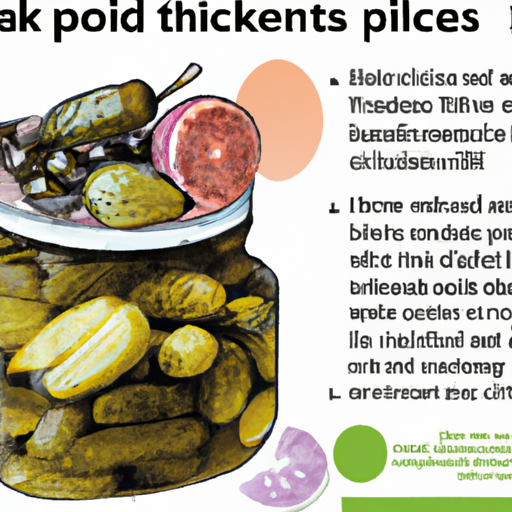
Pickling is an age-old preservation technique where fruits or vegetables are soaked in a solution of water and vinegar or fermented in a natural brine.
Health Benefits and Potential Dangers of Pickles
Even though pickles are low in calories, they provide a good amount of vitamin K. Some pickles also contain beneficial probiotics. However, they can be high in sodium and, for those pickled using vinegar, lack the probiotics found in their naturally fermented counterparts.
Are Pickles on the Mediterranean Diet?
Pickles in the Context of the Mediterranean Diet
While pickles aren’t a cornerstone of the Mediterranean diet, they can certainly be included as part of the diet’s broad appreciation for fruits, vegetables, and fermented foods.
Considerations When Consuming Pickles
Moderation is key since pickles can be high in sodium. Choosing low-sodium varieties or making your own can help control salt intake. Also, try opting for pickles that are naturally fermented for probiotic benefits.
Alternatives to Pickles in the Mediterranean Diet
Healthy Fermented Food Options
Beyond pickles, other popular fermented foods on the Mediterranean diet include yogurt, kefir, sauerkraut, and olives.
Non-Fermented Foods with Similar Taste Profiles
For those seeking that tangy flavor of pickles without the fermentation, there are foods like fresh cucumbers, tomatoes, or a squeeze of lemon that could fit the bill.
Family and the Mediterranean Diet
The Importance of Family in Mediterranean Culture
In the Mediterranean lifestyle, much emphasis is placed on savoring meals with the family, fostering a sense of community and appreciation for high-quality foods.
Sharing Quality Food with Family Through the Mediterranean Diet
As a father, JD is a firm believer in the importance of sharing quality meals with the family. Incorporating the Mediterranean diet not only sustains his health, but allows him to bring wholesome and delicious meals to his family table.
Integrating Pickles into a Mediterranean Diet Lifestyle
Incorporating Pickles into Mediterranean meals
Whether it’s adding pickles into a Greek salad, serving them as part of a mezze platter, or integrating them into dishes like shawarma, there are creative ways on how pickles can find a place in a Mediterranean inspired meal.
Healthy Pickle Recipes and Uses
From handmade cucumber pickles, marinated olives to pickled vegetables, there’s a myriad of recipes to try and each can add a nice tang, crunch, and probiotic boost to meals.
Mediterranean Diet Beyond the Plate
Mediterranean Diet and Healthy Living
The Mediterranean lifestyle is more than just about what we put on our plates. Regular physical activity and taking pleasure in everyday life is at the heart of this approach to wellness.
Long Term Health Maintenance and the Mediterranean Diet
This wholesome way of eating offers long-term health advantages including reduced risks of heart disease, diabetes, and certain cancers. Indeed, it is a viable investment for those practical about their health and wellness.
Conclusion
Reiteration of Key Points
In essence, the Mediterranean Diet is more than just a diet – it’s a lifestyle revolving around fresh, nutritious foods, and a community enjoying and appreciating these meals together. While pickles, particularly those that are naturally fermented, can have a place in this lifestyle, it’s important to consider their high sodium content.
Invitation for Further Exploration and Personal Application
We encourage you to delve deeper into the world of the Mediterranean diet and discover how it could be more than just a meal plan but a catalyst for a healthier and fulfilling path ahead, for you and your family. Nurture your health, enjoy your meals, and cherish those moments at the dinner table. Who knows, perhaps the next dish you serve includes a slice or two of your homemade pickles. Life, after all, should have a bit of tang!
Leave a Reply