In this friendly discourse, we’re going to explore whether there could be potential negatives to adopting a Mediterranean diet. You’ll gain insight on what to consider before transitioning to this healthy lifestyle, while keeping in line with the essence of the Mediterranean diet, which values high-quality food, shared with loved ones. Rest assured, whether benefits outweigh the disadvantages will be outlined to aid your decision-making.
Understanding the Mediterranean Diet
Definition and Principles
The Mediterranean Diet, as its name suggests, is a food program that’s adapted from the cultures bordering the Mediterranean Sea. It exemplifies a balanced and vibrant diet with an emphasis on whole foods. The significant components include vegetables, fruits, whole grains, lean proteins, particularly fish, olive oil, and moderate amounts of red wine.
Foods And Beverages Allowed
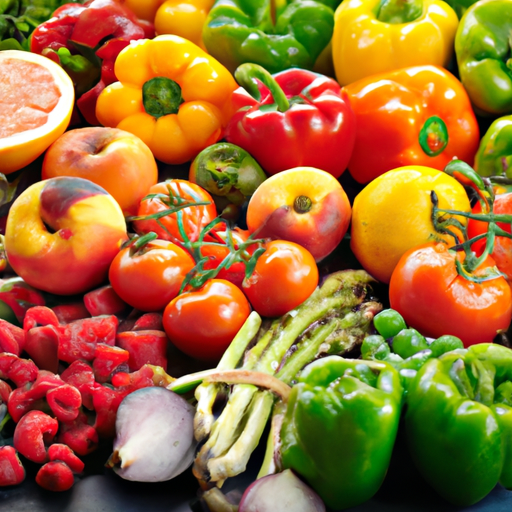
The Mediterranean Diet encourages consumption of a wide variety of plant-based food items. You can enjoy an abundance of fresh fruits and vegetables, whole grains, nuts and seeds, legumes, seafood, herbs, spices, and olive oil. Beverages mainly include water and red wine in moderation unless contraindicated.
Foods And Beverages Discouraged
The diet discourages highly processed foods and refined oils. Red meats should be limited as they are consumed less frequently. Sugary drinks, fast food, and anything with added sugars or saturated fats are ideally avoided or kept to a minimum.
The Health Benefits of the Mediterranean Diet
Cardiovascular Benefits
Adopting the Mediterranean Diet can significantly improve your heart health. It helps manage blood pressure, cholesterol, and triglyceride levels, reducing the risk of cardiovascular diseases.
Weight Management and Diabetes Control
This diet encourages a lifestyle approach to manage weight effectively. By focusing on whole foods and mindful eating, it helps with weight loss, insulin sensitivity, and diabetes control.
Mental Health and Cognitive Function
Research suggests that the Mediterranean diet may have neuroprotective effects and may reduce the risk of Alzheimer’s and Parkinson’s diseases while improving overall cognitive functions.
Longevity and Disease Prevention
The diet’s focus on healthy fats, lean proteins, and antioxidants can contribute to increased longevity and prevent various chronic diseases such as cancer.
Common Misinterpretations of the Mediterranean Diet
Confusion About Fat Content
Some people might think that the Mediterranean Diet is high in fat due to the frequent use of olive oil, nuts, and seeds. However, these are sources of healthy monounsaturated and polyunsaturated fats.
Misunderstanding About Red Meat Consumption
There’s a misconception that red meats aren’t included in this diet. While it’s true that meat is limited, it’s not entirely excluded. The focus is on moderate consumption.
Errors in Portion Size Estimation
Overeating can occur even with healthier foods. Portion control is an essential part of the Mediterranean diet.

Cons and Disadvantages of the Mediterranean Diet
Potentially High Caloric Intake
Despite its numerous benefits, it’s possible to consume too many calories without realizing it, particularly from fats and carbohydrates.
Meal Preparation Time and Accessibility
Some people may find it challenging to prepare fresh meals regularly or access certain foods, especially in areas where fresh produce is expensive or difficult to obtain.
Challenges in Adapting to New Dietary Habits
Everyone has unique food preferences and routines. The transition to a new diet can be challenging for some, particularly when it involves reducing or eliminating favorite foods.
Addressing the Disadvantages of the Mediterranean Diet
Balancing Caloric Intake With Physical Activity
Keep track of your caloric intake and balance it with regular physical activity. It’s not about restricting or depriving oneself, but maintaining an equilibrium.
Incorporating Mediterranean Diet Principles Gradually
Start small so that the transition feels less overwhelming. Gradually incorporate more fruits, vegetables, and whole grains into your meals.
Making the Diet Affordable and Accessible
Seeking seasonal and local produce can make it more affordable. There are also many online resources that offer easy Mediterranean diet recipes.
Frequently Questioned Areas of the Mediterranean Diet
Seafood Consumption Concerns
There are concerns regarding overconsumption of seafood and the risk of mercury poisoning. However, most seafood recommended in the Mediterranean diet is low on the food chain and has less accumulation of mercury.
Wine and Alcohol Involvement
While the Mediterranean diet involves moderate consumption of wine (particularly red), it’s essential to remember that moderation is key, and alcohol can be avoided entirely based on personal preference or health conditions.
The Mediterranean Diet in a Family Setting
Promotion of Family Bonding and Meal Sharing
The Mediterranean diet is more than just about eating; it’s about enjoying meals with family and reinforcing strong bonding and sharing.
Encouragement of Healthy Habits for Children
By following the Mediterranean diet, you can encourage healthy eating habits among your children. Show them that healthy food can be delicious and satisfying.
Embracing the Mediterranean Lifestyle Beyond Diet
Importance of Regular Exercise
Regular physical activity is an essential part of the Mediterranean lifestyle. Find an activity you enjoy to keep fitness fun and exciting!
Mindful Eating and Enjoyment of Food
Take time to enjoy your food. Think about the flavors, textures, and smell. Mindful eating can lead to better digestion and satisfaction.
Rest and Stress Management
Sleep and relaxation are very crucial. Make plenty of time for rest and engage in stress management activities like yoga, meditation, or simply relaxing with loved ones.
Success Stories and Real-Life Application
Testimonials of Improved Health
Many individuals report significant improvements in overall health after adopting the Mediterranean diet, validating research results.
Inspiring Adoption of the Diet in Different Cultures
The principles of Mediterranean diet can be adapted to any cultural food preferences. Finding your personal approach can motivate others to explore and embrace the diet.
Conclusion: The Mediterranean Diet in Perspective
Weighing the Pros and Cons
Like any diet, the Mediterranean diet has its pros and cons, but by and large, the pros outnumber the cons — especially if you’re in pursuit of long-term health.
Making an Informed Personal Health Decision
Always make dietary decisions based on your personal health status and lifestyle. Understanding this diet’s principles can help you make informed choices that fit your situation best.
Are there disadvantages to the Mediterranean diet? Yes, there could be, especially if not appropriately followed. But the advantages profoundly outweigh the disadvantages when you approach it moderately, making it an excellent choice for maintaining a happy, healthy life.
Leave a Reply