In this engaging discussion, you’re going to uncover whether all varieties of beans fit into the Mediterranean diet. As you read on, you’ll gain insightful knowledge into the role of beans in this popular, health-promoting diet plan. You’re about to add to your understanding of nutrition, furthering your journey toward maintaining long-term health for you and your family.
Basics of the Mediterranean Diet
Defining the Mediterranean Diet
The Mediterranean diet is not just a diet; it’s a lifestyle. It revolves around traditional foods that people consumed in countries such as Greece and Italy in the 1960s. The Mediterranean diet emphasizes consuming plenty of fruits, vegetables, whole grains, legumes like beans, and choosing seafood over red meat.
Key components of the Mediterranean Diet
The Mediterranean diet comprises primarily plant-based foods such as fruits, vegetables, legumes, and nuts. It substitutes butter with healthier fats like olive oil and using herbs instead of salt to flavor meals. It encourages consuming red wine in moderation.
Health Benefits of the Mediterranean Diet
The beauty of the Mediterranean lifestyle is the abundant health benefits it provides. Research has shown a lower risk of heart disease, diabetes, certain cancers, and cognitive diseases, like Alzheimer’s, among others, in those who follow the Mediterranean diet.
Role of Beans in the Mediterranean Diet
Beans as protein source in Mediterranean diet
Beans are an essential component of the Mediterranean diet. The most common beans you’ll find being used are lentils, chickpeas, and broad beans. Beans serve as a great source of protein in this diet, especially for vegetarians and vegans.
Different types of beans consumed
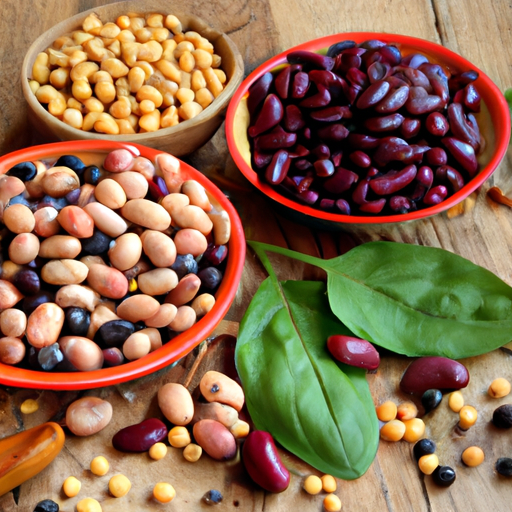
There are a variety of beans included in the Mediterranean diet. Each bean brings with it a unique flavor, texture, and nutrient profile, including fiber, protein, folate, and antioxidants. Among these, lentils, chickpeas, cannellini beans, and fava beans are quite popular.
Nutritional value of beans
The Mediterranean diet heartily welcomes all types of beans owing to their nutritional value. Packed with protein, fiber, and other essential nutrients, beans provide a feeling of fullness that helps control your appetite hence making it an essential player in weight management.
Can You Eat All Beans on Mediterranean Diet?
Variety of beans allowed on the Mediterranean diet
Yes, the Mediterranean diet allows you to consume a broad spectrum of beans. This will not only keep your diet varied and colorful but also ensure a well-rounded intake of nutrients.
Reasons why some beans are not suitable in the Mediterranean diet
While you can enjoy a variety of beans on this diet, keep in mind that not all ways of consuming beans are suitable for the Mediterranean style of eating. For instance, baked beans in canned sauces are often loaded with sugar and should ideally be avoided.
How to incorporate different beans in the diet
Incorporating beans into your diet is relatively easy. Add them to salads, stews, or pasta dishes. You can also mash them into creamy dips or use them as a meat substitute in burgers or tacos.
Beans and Mediterranean Diet Recipes
Classic Mediterranean recipes with beans
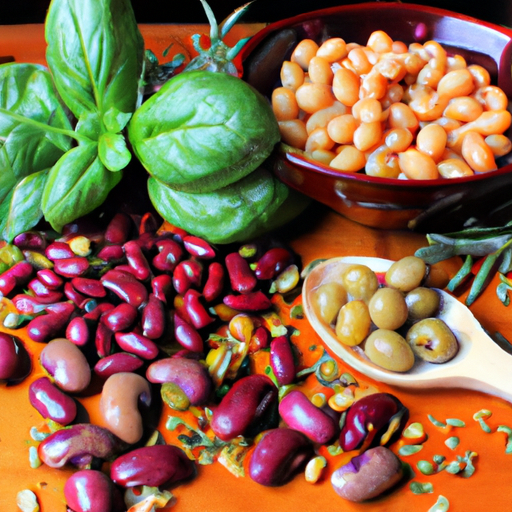
The Mediterranean diet has a rich variety of recipes that use beans. Some classics include Greek gigantes, lentil soup, Moroccan chickpea stew, and Tuscan white bean pasta.
How to make a Mediterranean bean salad
To create a vibrant Mediterranean bean salad, you need colorful vegetables, a variety of beans, creamy feta cheese, and a flavorful vinaigrette. Tossed all together and let the flavors meld for a refreshing and nutrient-packed meal.
Cooking tips for the optimal bean nutritive value
When cooking beans, remember to soak them overnight to reduce their cooking time, and refrain from adding salt until they are tender to maintain their nutritional value.
Healthy Family Meals with Beans
Nourishing family dinner recipes with beans
Turn your family dinners into healthy feasts with hearty, bean-centric recipes. From Italian minestrone soup to Spanish white bean and spinach stew, there are countless flavorful dishes your family will love.
Bean-based lunch box ideas for kids
Refried bean wraps, hummus and veggie sandwiches, and bean and cheese quesadillas are some of the kid-friendly, exciting, and nutritious lunchbox options that can ensure a balanced diet for your young ones.
Encouraging bean consumption in kids
Encouraging kids to consume beans can begin with involving them in meal prep—getting them to help in the kitchen can pique their interest in the food being served.
Beans for Long-Term Health
Cancer prevention benefits of beans
Beans posses a high concentration of antioxidants that protect your cells against free radicals, thereby assisting in cancer prevention.
Heart health and beans
Beans are low in fat and high in fiber, which makes them a heart-friendly food. They assist in controlling cholesterol and maintaining a healthy blood pressure.
Beans and diabetes prevention
Beans are rich in fiber, which can slow the absorption of sugar into your bloodstream and prevent spikes in blood glucose, helping prevent diabetes.
Special Considerations for Consuming Beans
How to decrease bloating after eating beans
To combat bloating associated with bean consumption, start with smaller servings and gradually increase your intake. Also always soak dried beans before cooking and chew them thoroughly to aid digestion.
Allergy concerns with bean consumption
While bean allergies are relatively rare, they can be severe. If you experience symptoms such as hives, difficulty breathing, or dizziness after eating beans, seek immediate medical help.
Safe consumption levels for beans
While beans are healthy, like any food, moderation is key. Eating excessive beans can lead to nutritional imbalances and digestive discomfort.
Alternatives to Beans on Mediterranean Diet
Other sources of protein on the Mediterranean diet
Besides beans, the Mediterranean diet includes other protein sources such as fish, poultry, eggs, dairy, and nuts.
Choosing between beans and alternatives
The choice between beans and their alternatives mostly depends on personal preference. However, maintaining a variety is key for a balanced diet.
Incorporating alternative foods into recipes
You can replace beans with alternative protein sources in various recipes. For instance, chickpeas in a salad can be replaced with grilled chicken or salmon.
Expert Opinion on Beans in Mediterranean Diet
Nutritionists’ perspectives on beans in the Mediterranean diet
Nutritionists widely recommend beans in the Mediterranean diet due to their favorable nutrient profile, their versatility, and the satiety they provide.
Doctors’ opinion on the health benefits of beans
Medically, beans have been acknowledged for their benefits related to weight management, heart health, and prevention of chronic diseases.
Athletes’ experiences with bean consumption on the Mediterranean diet
Many athletes following the Mediterranean diet have praised beans’ role in providing sustained energy and improving athletic performance.
Conclusion: Beans in the Mediterranean Diet
Recap on bean’s nutritional benefits in a Mediterranean diet
Beans are a powerhouse of nutrition, offering essential nutrients such as protein, fiber, and antioxidants. They are a crucial component of the versatile Mediterranean diet, contributing to its many health benefits.
Importance of bean variety in the Mediterranean diet
No matter which beans you gravitate towards, all bring valuable nutrients to the table. Including a variety in your diet ensures you reap the different benefits each type offers.
Sharing high-quality food with family
The essence of the Mediterranean lifestyle lies not just in what you eat, but also in how you eat—savoring meals together as a family. Pair that with the nutritional goldmine that beans offer, and you’ve got a recipe for long-lasting health and priceless memories made around the dinner table.
Embracing beans in your Mediterranean diet can help you embark on a healthful journey where wholesome food consumption and the joy of family meals intertwine beautifully.
Leave a Reply