You’ve been exploring the Mediterranean Diet recently and you’ve come across an intriguing question – can you eat chicken and turkey on a Mediterranean diet? It’s an essential question for you, especially considering how versatile and protein-dense these two sources of lean meat can be. Curious, aren’t you?
To feed your curiosity, this upcoming article will delve into this topic more extensively. Brace yourself for some fascinating revelations about the Mediterranean Diet, and how poultry fits into it. Not only will JD share his well researched insights, but he’ll also show you how this diverse diet can benefit your long-term health and enrich your family meals. So stick around, your quest for a healthier lifestyle, abundant in high quality food, starts here.
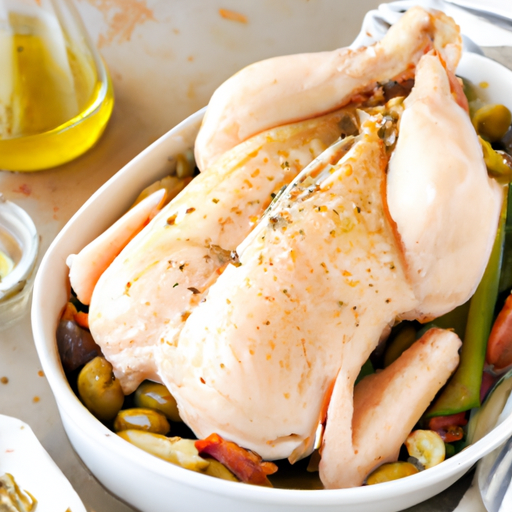
Overview of the Mediterranean Diet
The Mediterranean Diet is a nutrient-rich eating style that emphasizes whole foods, healthy fats, and lean proteins. Originating from the Mediterranean basin nations, this diet is renowned for its heart-healthy benefits and is associated with a reduced risk of chronic diseases. It is also vastly celebrated for its capacity to unite families around the dinner table with a diverse array of delicious meals.
Principal Components of the Mediterranean Diet
The main components of the Mediterranean Diet include fruits and vegetables, whole grains, legumes, olive oil, and lean proteins like fish. meat and dairy are also eaten but in smaller amounts. Indeed, poultry such as chicken and turkey are part of the menu; however, red meat and processed foods are limited due to their higher levels of saturated fats and sodium.
How the Mediterranean Diet Promotes Health
The Mediterranean Diet promotes health by providing the body with flavorful and nutrient-rich foods. The high levels of monounsaturated fats found in olive oil and fatty fish help to reduce bad cholesterol (LDL) and increase good cholesterol (HDL). Moreover, the diet is rich in fiber, vitamins, and minerals, which are essential for maintaining optimal health.
Common Misconceptions about the Mediterranean Diet
The Mediterranean diet is a lifestyle, not just a short-term plan. Many people mistakenly believe that enjoying the Mediterranean diet means indulging in pizza and pasta laden with cheese and white sauces. However, the reality is quite contrary to this perception. The diet promotes the consumption of whole grains, fresh fruits and vegetables, and lean proteins, and urges people to limit the intake of processed, high-sugar foods.
The Role of Protein in the Mediterranean Diet
Importance of Protein for Human Health
Protein is an essential macronutrient that plays a crucial role in nearly all biological processes. It helps the body to build and repair tissues and enzymes, create organic molecules, and support immune system functions.
The Traditional Protein Sources in the Mediterranean Diet
The primary sources of protein in the Mediterranean diet come from plant-based foods such as beans, lentils, and nuts. The diet also incorporates seafood as a significant protein source, rich in omega-3. However, poultry like chicken and turkey are also consumed for their high protein and low-fat content.
Balancing Protein Intake on the Mediterranean Diet
While the Mediterranean Diet is not expressly a high-protein diet, it recommends a balanced intake from varied protein sources. This means that your protein intake will mostly derive from plant-based foods, supplemented by lean meat and fish. Poultry fits well within this framework for its nutritive value.
Incorporating Poultry into the Mediterranean Diet
The Nutritional Profile of Chicken and Turkey
Chicken and turkey are excellent choices for lean protein and are rich sources of essential vitamins like B6, B12, and niacin, which are important for energy metabolism and a healthy nervous system. Moreover, poultry provides a healthy dose of minerals like zinc and selenium, which play a crucial role in antioxidant defence and immune function.
How to Cook Poultry the Mediterranean Way
Mediterranean-style poultry dishes usually employ cooking methods such as grilling, roasting, or stewing, and are often prepared with herbs, garlic, olive oil, and lemon. These dishes are packed full of flavor while also upholding the nutrition integrity of the bird.
Benefits of Adding Poultry to the Mediterranean Diet
Adding poultry to the Mediterranean Diet can add variety to your meals and provide a versatile protein source. Also, it gives a break from red meats which are recommended to be eaten sparingly in this diet, thereby helping you maintain a balanced and diverse diet.

How much Poultry is okay to Eat on the Mediterranean Diet
Moderation is Key to the Mediterranean Diet
True to its philosophy of a balanced lifestyle, the Mediterranean Diet doesn’t prescribe specific quantities but promotes moderate consumption of varied lean proteins. This is not vastly different from the current dietary recommendations of a couple of servings of lean poultry per week.
Weekly Amount of Poultry on the Mediterranean Diet
While the Mediterranean Diet does not specify precise amounts, a conscious attempt to maintain balance and limit excessive protein consumption can steer towards optimal health. A helpful guideline may be to consume small portions of poultry a few times a week.
Alternatives to Poultry on the Mediterranean Diet
Alternatives to poultry on the Mediterranean Diet are plentiful. You can opt for plant-based proteins like beans, lentils, and chickpeas. Seafood is a strongly endorsed choice, with a wide array of fishes like salmon, mackerel, sardines, and more offering lean proteins.
Recipes incorporating Poultry on the Mediterranean Diet
Easy Chicken or Turkey Mediterranean Recipes for Beginners
There are numerous delicious and simple Mediterranean poultry recipes you can try, such as roasted chicken with herbs and lemon, or a warm turkey salad with fresh Mediterranean vegetables. Don’t hesitate to get creative and develop your own poultry dishes incorporating the Mediterranean principles.
Creative Mediterranean Recipes with Poultry for Experienced Cooks
For those adept at the kitchen, you might wish to explore more intricate recipes such as herb-encrusted turkey breast or chicken tagine with olives and preserved lemons. These unique dishes bring a symphony of flavors that encapsulate the spirit of a Mediterranean meal.
Sharing Mediterranean Poultry Recipes with Family
Sharing Mediterranean meals is not just a method of nourishing your body. It’s a delightful way to foster family bonding. Try involving your children in the preparation of simple poultry dishes and enjoy the benefits of delicious, nutrition-rich meals shared with your loved ones.
Impact of the Mediterranean Diet on Family Health
The Mediterranean Diet as a Tool for Family Bonding
A notable feature of the Mediterranean Diet is its social component. Whether gathering at the table for a family meal or taking part in cooking, it allows people to bond, and build stronger relationships.
Improving Family Health with the Mediterranean Diet
The Mediterranean Diet is a joyous celebration of natural foods and healthy habits. With its balanced approach to nutrition, families can collectively embrace a lifestyle that is beneficial in maintaining and improving overall health.
Creating Lasting Healthy Habits with the Mediterranean Diet
The Mediterranean Diet is more than a diet; it’s a lifestyle. It promotes longevity, health, and enjoyment in what you eat. By adopting this way of eating, you can create lifelong healthy habits that are both beneficial and enjoyable for the entire family.
Long-term Effects of Following the Mediterranean Diet
Physical Impacts of Sticking to the Mediterranean Diet
Adhering to the Mediterranean Diet can significantly lower the risk of several ailments like heart disease, type 2 diabetes, and obesity. It’s not just about extending life but augmenting the quality of life.
Mental and Emotional Benefits of the Mediterranean Diet
Apart from physical health benefits, the Mediterranean Diet has also been linked to improved mental well-being. Several studies suggest that adherence to this diet might promote cognitive function and potentially reduce the risk of depression.
Implications of the Mediterranean Diet on Life Expectancy
People living in Mediterranean regions who adhere to this diet are known for their longevity and low prevalence of chronic disease. This gives credence to the belief that the Mediterranean Diet has a significant impact on increasing life expectancy.
Common Challenges and Solutions on the Mediterranean Diet
Potential Obstacles when Starting the Mediterranean Diet
When initiating the Mediterranean Diet, you may encounter challenges like finding unfamiliar ingredients or reconciling with the reduced intake of red meat. However, remember that this diet is based on flexibility, focusing on fresh, seasonal, and local produce. Make adaptations as necessary and avoid the trap of perfection.
Tips and Tricks to Maintain the Mediterranean Diet
To uphold the Mediterranean Diet, keep it simple: choose fresh over processed, cook meals at home, and enjoy meals with family and friends. Including a variety of colorful fruits and vegetables in your daily diet, munching on nuts for snacks, and using olive oil for cooking are a few practical tips.
Overcoming Culinary Challenges on the Mediterranean Diet
One of the best parts of the Mediterranean Diet is its culinary diversity. While it may appear overwhelming at first, in reality, the diet is quite flexible and can accommodate a wide variety of dietary preferences and restrictions, making it relatively easy to stick to.
Understanding the Sustainability of the Mediterranean Diet
Economic Aspects of the Mediterranean Diet
The Mediterranean Diet can be economical, aiming towards sustainability and minimal waste. A focus on local and seasonal produce, homemade meals, and reducing the consumption of processed foods not only saves money but also contributes to a better planet.
Environmental Impact of the Mediterranean Diet
With its emphasis on plant-based foods, the Mediterranean Diet is considered eco-friendly. Fruits, vegetables, whole grains, and legumes have a smaller environmental footprint compared to many animal-based foods. Of course, when animal-based foods are consumed, moderation and ethical sourcing are crucial.
Cultural Significance of the Mediterranean Diet
The Mediterranean Diet is the epitome of culinary traditions from the nations along the Mediterranean Sea. It symbolizes social interaction and togetherness as meals are traditionally shared, and dishes are passed down through families and generations.
Conclusion: Can You Eat Chicken And Turkey On A Mediterranean Diet
Summary of Poultry’s Place in the Mediterranean Diet
Poultry, including chicken and turkey, are certainly included in the Mediterranean Diet. Given their nutritional profile, including a wealth of lean protein, B-vitamins and other essential nutrients, these foods can be a healthy addition to your Mediterranean meal plan.
Potential Health Benefits of Eating Poultry in the Mediterranean Diet
Including poultry in your diet can provide you with a versatile source of lean protein. Consumed in moderation, along with a variety of fruits, vegetables, and whole grains, poultry can contribute to a balanced and nutritious diet.
Final Thoughts on the Versatility of the Mediterranean Diet
So, can you eat chicken and turkey on a Mediterranean Diet? Absolutely. The Mediterranean Diet is less about restriction and more about enjoying a variety of foods in moderation. It’s a lifestyle approach to eating that emphasizes the enjoyment of food, the pleasure of shared meals, and the health benefits of wholesome, natural foods. So, whether you’re grilling chicken for a summer cookout or roasting a turkey for a family gathering, rest assured that these foods can fit well within the Mediterranean diet.
Leave a Reply