Have you ever found yourself questioning whether you can still indulge in your favorite treats while sticking to the Mediterranean diet? Well, the good news is that chocolate is definitely one of those delightful treats that you can still include in your regimen! With the right knowledge, your taste buds don’t have to suffer while maintaining a balanced lifestyle.
Ready to discover the delicious potentials of the Mediterranean diet? As you delve into this article, you’ll uncover some surprising truths and practical ways to incorporate chocolate into this healthful diet. Let’s usher you into a whole new world of guilt-free chocolate enjoyment! Because part of a well-rounded Mediterranean Diet is not only about keeping you, JD, as father and husband, healthy and active but also about sharing the pleasures of quality food with your loved ones.
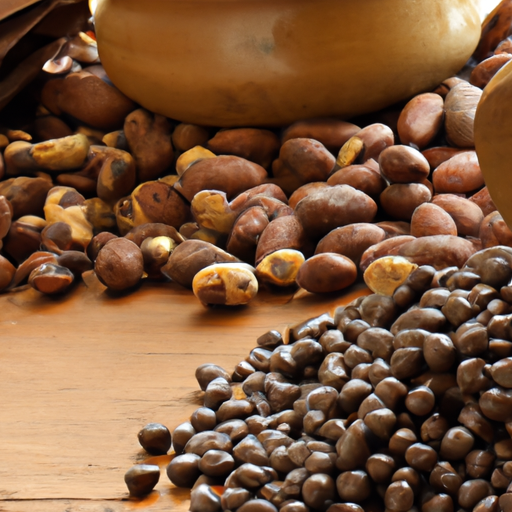
Understanding the Mediterranean Diet
What is the Mediterranean Diet?
The Mediterranean Diet is a way of eating based on the traditional cuisines of countries bordering the Mediterranean Sea. Unlike most diets, this one doesn’t give you a strict meal plan or calorie count. Rather, it encourages you to eat a wide range of nutrient-dense foods in moderation.
Basic Principles of the Mediterranean Diet
This diet emphasises whole foods; fruits, vegetables, fish, lean proteins, legumes, nuts, and whole grains. It encourages the use of olive oil for cooking and dressing salads, while limiting the intake of red meat, sugars and saturated fats.
Health Benefits of the Mediterranean Diet
The Mediterranean Diet has been linked to many health benefits. These include weight loss, improved heart health, better brain health, and a decreased risk of chronic diseases like diabetes and cancer. The diet’s focus on plant-based foods makes it rich in antioxidants and fiber, which contribute to overall health.
What Foods Can You Eat On The Mediterranean Diet?
Fruits and Vegetables
Fruits like apples, bananas, oranges, figs, and peaches, along with fresh vegetables like tomatoes, cucumbers, broccoli and spinach, are at the heart of the Mediterranean diet.
Whole Grains
Whole grains like oats, quinoa, barley, and brown rice are consumed regularly. These grains provide sustained energy and are plentiful in fiber, proteins, and antioxidants.
Legumes and Nuts
Legumes, including beans, peas, lentils, and chickpeas, provide high-quality plant-based protein. Nuts, like almonds and walnuts, are a good source of healthy fats.
Healthy Fats
Olive oil, a hallmark of the Mediterranean diet, replaces unhealthy saturated and trans fats found in butter and margarine. Avocados and nuts are other good sources of healthy fats.
Fish and Seafood
The people living in the Mediterranean region eat a lot of fish and seafood, with favorites being mackerel, salmon, and shellfish. These offer high-quality protein and omega-3 fatty acids.
Moderate Amounts of Dairy and Poultry
Dairy products and poultry are consumed in moderation. Greek yogurt, goat cheese, chicken, and turkey are popular choices.
Limited Intake of Red Meat
Red meat is limited to a few times a month, as the Mediterranean diet prioritises lean sources of protein.
Can You Eat Chocolate on the Mediterranean Diet?
Role of Chocolate in the Mediterranean Diet
Yes, you can eat chocolate on the Mediterranean diet! But not just any chocolate – the emphasis is on dark chocolate. Because it’s less processed than other types, dark chocolate maintains more of the cocoa’s natural health benefits.
The Types of Chocolate Allowed
The primary type of chocolate recommended in the Mediterranean diet is dark chocolate, with a cocoa content of 70% or higher.
Moderation is Key
As with anything, moderation is key. Chocolate is a source of added sugar, so it’s important not to overindulge, despite its health benefits.
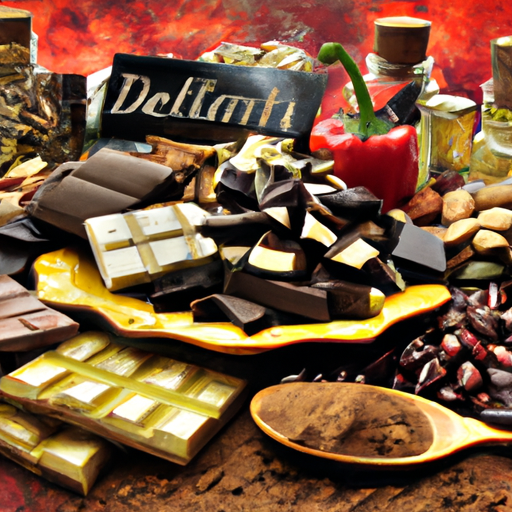
Health Benefits of Chocolate
Antioxidant Properties of Chocolate
Dark chocolate is rich in antioxidants like flavanols, which help to neutralize harmful free radicals in the body.
Cardiovascular Benefits of Chocolate
The flavanols in dark chocolate can support heart health by improving blood flow and reducing the risk of blood clot formation.
Effects of Chocolate on Brain Health
Research indicates that dark chocolate may boost brain health. Its flavanols may improve blood flow to the brain, while its caffeine content can help enhance brain function.
Choosing the Right Chocolate for the Mediterranean Diet
Look for Dark Chocolate
When following the Mediterranean diet, opt for dark chocolate. Its high cocoa content means more health benefits and less added sugar.
Beware of Added Sugars and Unhealthy Fats
Avoid chocolate that lists sugar as the first ingredient or contains unhealthy fats like palm oil. The healthier choice is dark chocolate with minimal added sugars and fats.
Consider the Cocoa Content
The higher the cocoa content, the more health benefits the chocolate will have. Look for chocolate that is 70% cocoa or higher.
Ways to Incorporate Chocolate into the Mediterranean Diet
Chocolate in Desserts
One of the easiest ways to incorporate chocolate into the Mediterranean diet is through desserts. Think Greek yogurt with a drizzle of melted dark chocolate or fresh fruit dipped in chocolate.
Chocolate in Savory Dishes
You might be surprised to learn that chocolate can work well in savory dishes too. Try adding a touch of dark chocolate to chili or a spicy mole sauce.
Chocolate as a Snack
A few squares of dark chocolate can be a satisfying, healthful snack that fits perfectly into the Mediterranean diet.
Family-Friendly Chocolate Recipes for the Mediterranean Diet
Healthy Chocolate Pudding Recipe
For a chocolate pudding, blend avocados, ripe bananas, cocoa powder, a dash of vanilla extract, and honey. This powerhouse of nutrients provides healthy fats, fiber, and just enough sweetness.
Heart-Healthy Chocolate Smoothie Recipe
Create a healthy chocolate smoothie with a blend of Greek yogurt, almond milk, a banana, a spoonful of unsweetened cocoa powder, and honey.
Chocolate Quinoa Breakfast Bowl Recipe
Mix cooked quinoa, cocoa powder, a drizzle of honey, and top it off with fresh berries and chopped nuts. It’s a protein-rich breakfast loaded with fiber and antioxidants.
Mistakes to Avoid When Eating Chocolate on the Mediterranean Diet
Overindulging in Chocolate
Remember, moderation is critical. While chocolate has health benefits, it also has calories and sugar.
Choosing Milk Chocolate over Dark Chocolate
Milk chocolate has more sugar and less of the beneficial cocoa than dark chocolate. When you’re craving sweets, opt for dark chocolate instead.
Ignoring the Sugar Content
Even dark chocolate can have added sugars. Always read the label to ensure you’re making the healthiest choice.
Expert Opinions on Chocolate and the Mediterranean Diet
Insights from Nutritionists
Nutritionists agree that when chosen wisely and consumed in moderation, dark chocolate can fit into a healthy Mediterranean diet.
Doctor’s Perspective
Many doctors support the inclusion of dark chocolate in the diet for its heart-health benefits, but caution not to overdo.
Scientific Studies on Chocolate
Numerous studies have shown the benefits of dark chocolate for heart health, brain function, and even mood.
Conclusion
Enjoying Chocolate on the Mediterranean Diet Safely
So, yes, you can enjoy chocolate on the Mediterranean diet! Opt for quality dark chocolate, watch out for added sugars and unhealthy fats, and remember that moderation is key.
Reiterating the Importance of Moderation and Balance
The Mediterranean diet is all about balance, highlighting a variety of nutrient-rich foods in moderation, including the occasional treat of dark chocolate.
Encouraging a Healthy Lifestyle and High-Quality Food for a Strong Family Bond
Sharing a meal as a family is a cornerstone of the Mediterranean lifestyle, and what better way to bring everyone together than through food that nourishes the body and pleases the palate. With the Mediterranean diet, JD is paving the way for a healthy, active, and tasty life with his dear ones. Because what’s life without a bit of chocolate, right?
Leave a Reply