Wondering if corn makes the cut in the Mediterranean diet? This question seems to be popping up quite frequently these days, almost as much as popcorn at a movie theater. You’re not alone in your curiosity. With its many health benefits and delectable recipes, it’s no wonder the Mediterranean diet is gaining popularity. As such, it’s also natural for you to ponder whether your favourite foods, like corn, get a green light in this diet plan.
Don’t worry, my friend, you’re about to get a whole cob of information about corn and the Mediterranean diet. The article you’re about to read will draw you into the world of Mediterranean eating habits, decoding its do’s and don’ts. You’ll find out where corn stands in this diet and whether it’s a friend or foe to your health journey. So, buckle up, as you’ll soon have a wholesome understanding of the role corn plays in the Mediterranean diet. Onward, to healthy eating and a happier you!
Understanding the Mediterranean Diet
The Mediterranean Diet is more than just a meal plan, it is a lifestyle embraced by cultures around the Mediterranean Sea. The diet places high emphasis on fresh fruits and vegetables, whole grains, legumes, nuts, and olive oil, whilst moderating consumption of dairy, fish, and poultry, and limiting red meat and sweets. But where does corn fit into this alluring dietary pattern? Is it a recommended staple or a hidden foe?
The Basic Principles of the Mediterranean Diet
At its core, the Mediterranean Diet focuses on simplicity and wholesomeness. It celebrates seasonal produce and quality ingredients and encourages home cooking and pleasure in eating. Regular physical activity and sharing meals with family and friends are intrinsic aspects of this diet.
The Health Benefits Associated with the Mediterranean Diet
The Mediterranean Diet has been extensively studied and is praised for its numerous health benefits. These include decreased risk of heart disease, stroke, and some types of cancer, improved mental health, and enhanced longevity.
How the Mediterranean Diet Enhances Longevity
One of the most attractive benefits of the Mediterranean Diet is its contribution to a long and healthy life. This is attributed to its high content of antioxidants, fiber, healthy fats, and a plethora of vitamins and minerals that support overall health.
Understanding the Mediterranean Diet Pyramid
The Mediterranean Diet Pyramid is a guide that helps users understand the different food groups included in the diet and their recommended frequencies. It reveals that the foundation of the diet consists of foods to be eaten daily — including grains, which is where versatile corn comes in.
Inclusion of Corn in the Mediterranean Diet
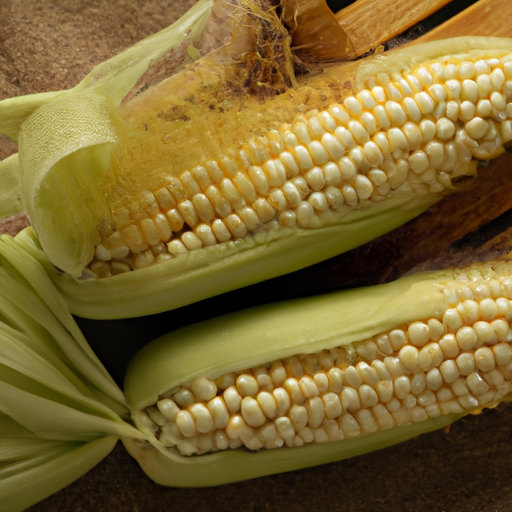
Corn, known as maize in its natural, unprocessed form, is a vital part of many traditional Mediterranean dishes.
The Role of Corn in the Mediterranean Diet
Corn provides energy and is a great source of fiber. It also adds a balanced sweetness and unique texture to meals.
Nutritional Profile of Corn
Corn is a fantastic source of essential vitamins and minerals. It’s packed with vitamin C and B-group vitamins, as well as magnesium, zinc, and iron.
How Corn is Consumed in Mediterranean Cuisine
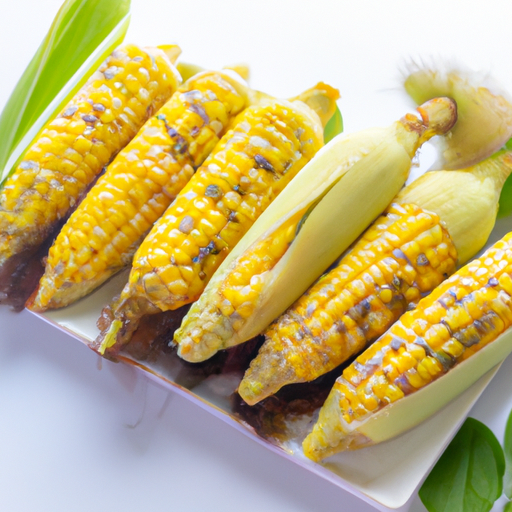
In Mediterranean cuisine, corn is often added to salads, soups, casseroles, or grilled on the cob. It’s also used to make polenta, a traditional Italian dish.
Corn: A Versatile Ingredient in the Mediterranean Diet
Corn’s versatility means you can utilize it to add value to your Mediterranean meals. Its naturally sweet flavor marries well with other ingredients, making it a unique addition to any dish.
The Benefits of Eating Corn on the Mediterranean Diet
Aside from its culinary value, corn has numerous health benefits that can enhance your well-being while on the Mediterranean Diet.
The Vitamins and Minerals Found in Corn
Corn is rich in vitamins A, B, and E, and minerals such as zinc, copper, and magnesium. These are essential for several body functions and promote overall health.
Corn’s Remarkable Fiber Content and Its Impact on Health
Corn’s high fiber content aids digestion and helps regulate blood sugar levels, contributing to maintaining a healthy weight.
The Role of Corn in Weight Management on the Mediterranean Diet
Corn’s high fiber content promotes satiety and prevents overeating, which can aid in weight management.
Corn and Heart Health
The fiber in corn helps to lower bad cholesterol levels, reducing the risk of heart disease.
Mediterranean Diet Recipes That Incorporate Corn
Adding corn to your Mediterranean dishes is both simple and delicious. Here are some recipes to inspire you.
Corn Salad with Olive Oil and Lemon Dressing\nA fresh and zesty salad showcasing corn’s sweetness against the tartness of lemon.
Mediterranean Corn and Tomato Stew\nA hearty, comforting stew that’s packed with the flavors of corn, juicy tomatoes, and aromatic herbs.
Spiced Corn with Chickpeas: A Mediterranean Delight\nA delectable combination of sweet corn, protein-rich chickpeas, and a blend of Mediterranean spices.
Baked Corn with Spinach and Feta Cheese\nA rich, flavorful dish showcasing the contrast between sweet corn, creamy spinach, and savory feta.
Followed properly, the Mediterranean Diet can bring you a wealth of health benefits. Corn, with its nutritional profile and versatility, fits well into this dietary pattern. Whether it becomes a regular part of your meals is ultimately a matter of personal preference. As with any diet, balance and moderation are key. The Mediterranean Diet affirms this well, and corn can be a delightful part of that balance. Stay healthy, happy, and enjoy the journey!
Leave a Reply