You’re probably wondering, “Can you actually enjoy ice cream while adhering to the Mediterranean Diet?” It’s an intriguing question for anyone with a sweet tooth who’s also trying to maintain a healthy lifestyle – after all, who doesn’t occasionally crave a creamy, cold treat?
In the following article, you’ll dive deeper into this question. Get ready to broaden your understanding of the Mediterranean Diet, and discover ways to possibly incorporate your beloved ice cream into it. Rest assured, the article is not merely based on assumptions but backed with thoroughly researched information. After all, the goal here is to assist you in fostering a vibrant, healthy lifestyle that doesn’t compromise on enjoying delicious food with the people you love.
Can You Eat Ice Cream On the Mediterranean Diet?
Understanding the Mediterranean Diet
Basics of the Mediterranean Diet
The Mediterranean Diet, influenced by the traditional eating habits of people from countries bordering the Mediterranean Sea, is considered one of the healthiest diets worldwide. It centers around the consumption of fresh fruits, vegetables, whole grains, nuts, seeds, legumes, and seafood, while limiting the intake of red meat, processed foods, and sweets.
Importance of Portion Control
While the Mediterranean Diet does not strictly ban any food, portion control plays a pivotal role in maintaining a balanced approach to eating. Understanding portion sizes helps you to attain a nutritious, diverse, and satiating diet without overindulging.
Role of Exercise
Incorporating regular physical activity is not overlooked in the Mediterranean lifestyle. This not only strengthens your body but also keeps your mind alert, making it an essential companion to a balanced diet.
Dietary Components of Mediterranean Diet
Role of Fruits and Vegetables
Fruits and vegetables are the foundation of the Mediterranean Diet. They provide essential nutrients, boost your immune system, and contribute to a diverse palette of flavors.
Preference for Whole Grains
The Mediterranean diet emphasizes whole grain intake. These are rich in fiber and keep you feeling full, assisting in weight management.
Seafood over Red Meat
Seafood, especially fatty fish loaded with heart-healthy omega-3 fatty acids, is preferred over red meat which can be high in saturated fats.
Importance of Nuts and Seeds
Nuts and seeds offer crunch and added nutrition, providing protein, healthy fats and fiber.
Inclusion of Healthy Fats
Healthy fats, such as olive oil, are a key feature, replacing unhealthy fats like butter and promoting overall heart health.
Ice Cream and the Mediterranean Diet
Nutritional Aspects of Ice Cream
Ice cream is a delectable dessert which in moderation can feature in the Mediterranean food framework. However, it’s high in both sugar and calories, hence careful portion control is required.
How Ice Cream Fits into the Mediterranean Diet
The Mediterranean Diet encourages enjoying small amounts of sweets, including ice cream. Its emphasis is on savoring treats rather than complete abstinence, promoting a healthy relationship with food.
Preferred Types of Ice Cream
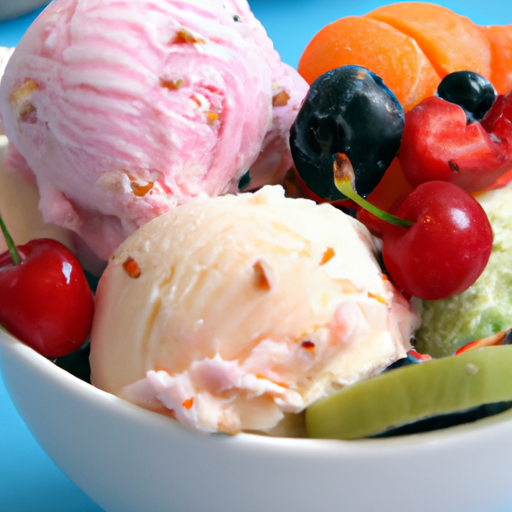
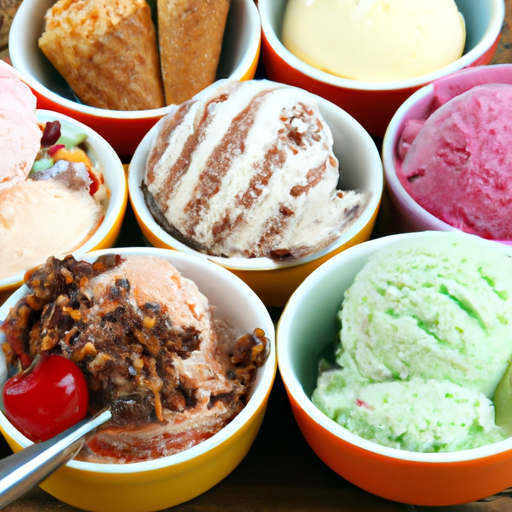
Within the realm of this diet, ice cream made with whole ingredients and lesser additives aligns best. Options with fruits, nuts and chunks of dark chocolate echo flavors of the Mediterranean Diet.
Impact on Health
Effects of Ice Cream on Weight
Though ice cream can be a part of your diet, consuming in moderation is key, as regular or large portions can lead to weight gain due to its high caloric content.
Impact on Blood Sugar and Heart Health
While the saturated fats and sugars in ice cream can affect your heart and blood sugar levels negatively, occasional indulgence shouldn’t pose major issues if you maintain an overall healthy diet and lifestyle.
Influence of Sugary Treats on Energy Levels
Sugar-intense foods such as ice cream can trigger rapid spikes and then drops in blood sugar, causing energy levels to fluctuate. Opting for versions lower in sugar can help prevent this.
Making Healthier Choices
Choosing Lower-Calorie Ice Cream
Go for lower-calorie options or small servings to keep your ice cream consumption within reasonable parameters.
Opting for Natural Sweeteners
Select ice cream sweetened naturally with fruits or honey instead of processed sugars.
Seeking Dairy-Free Options
For those who are lactose-intolerant or vegan, there are many dairy-free ice creams made from almond, coconut, or oat milk.
Balance and Moderation
Understanding Portion Sizes
Strict portion size adherence ensures you can enjoy desserts like ice cream without tipping your diet scale.
Enjoying Treats Responsibly
The Mediterranean Diet teaches controlled indulgence. This way you can enjoy ice cream without feeling guilty.
Listening to Body’s Needs
Recognize your body’s signals. Eating mindfully ensures you satisfy your sweet tooth without over-indulging.
Alternative Desserts in the Mediterranean Diet
Exploring Fruit-Based Desserts
Fresh fruit salads or baked fruits offer a nutritious and mouth-watering dessert option in line with Mediterranean habits.
Creating Healthy Sorbets
Making sorbets with fresh fruits can satisfy your craving for a cold dessert, offering a healthier alternative to regular ice cream.
Understanding the Place for Dark Chocolate
Dark chocolate, rich in anti-oxidants, inspires a range of Mediterranean style desserts, from tarts to mousse.
Appreciation for Quality Foods
Benefits of Meal Sharing
Meal sharing is a cherished principle in the Mediterranean lifestyle. Be it a main course or a dessert, meals are perceived as social, shared experiences.
Promoting Healthy Habits in Children
The Mediterranean diet helps introduce balanced eating habits early in life, setting children on the path towards long-term health.
Making Time for Meal Preparations
Crafting meals at home is a keystone of this diet, as it provides control over ingredients and portion sizes.
The Role of Treats in a Healthy Diet
Maintaining Long-Term Health Goals
The inclusion of treats like ice cream in moderation supports the notion that healthy eating isn’t about restrictive dieting, but about creating a sustainable lifestyle.
Avoiding ‘Diet’ Mentality
The Mediterranean diet steers clear of the typical ‘diet’ mindset. It encourages enjoyment of gastronomical diversity and pleasure, promoting a positive and lasting relationship with food.
Adapting to Lifestyle Changes
Lifestyle changes can happen gradually. Once your new healthy habits are established, they will be easier to maintain for the long term.
Conclusion: Enjoy Ice Cream Mindfully
Making Informed Choices
Enjoying ice cream within the Mediterranean Diet framework is about informed choices regarding portions and ingredients.
Embracing Portion Control
Embrace portion control. Savor every bite without overindulgence.
Celebrating Food Diversity of Mediterranean Diet
The Mediterranean Diet is a celebration of food diversity. So yes, you can enjoy ice cream, in moderation, as part of this flavorful and balanced diet.
Leave a Reply