Have you ever found yourself pondering, “Can I eat meat everyday on a Mediterranean diet?” Well, you’re not alone in this thought. So many are embarking on the journey of healthier eating and focusing on the Mediterranean diet, but are unsure about the place of meat in this nutritional plan. It’s a valid concern, given that meats are a significant source of protein, but also of fats.
In the upcoming article, we’ll delve deeper into this intriguing subject. Brace yourself for engaging, well-researched content that captures the essence of the Mediterranean diet and the place of meat in it. Not only that, JD, a health-conscious father of three and the brain behind these articles, will share insights on the health benefits and the value of sharing high-quality food with loved ones. His insights are particularly influenced by his desire to maintain long-term health and create enduring food-related memories with his family. So, stay tuned to find out more!
Understanding the Mediterranean Diet
Definition of the Mediterranean Diet
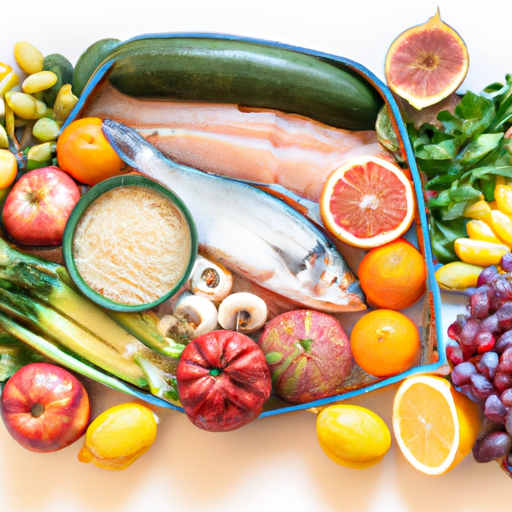
The Mediterranean Diet, you may have heard, is a way of eating that highlights fresh, whole foods like fruits, vegetables, legumes, and lean proteins, particularly fish. But it’s not just a diet; rather, it’s a lifestyle pattern.
Origins and Philosophy of the Mediterranean Diet
Hailing from the countries bordering the Mediterranean Sea, the diet reflects the lifestyle prevalent in countries like Greece, Italy, and Spain. Rooted in their historical eating habits and philosophy, this heart-healthy way of eating prioritizes locally sourced, seasonal, and minimally processed foods.
Key Elements of the Mediterranean Diet
A glance into the key elements of the Mediterranean Diet reveals an emphasis on plant-based foods, healthy fats like olive oil, lean proteins, moderate dairy consumption, and even a glass of red wine with meals.
The Role of Meat in the Mediterranean Diet
How Meat is Considered in the Mediterranean Diet
As you dive deeper into the Mediterranean eating style, you might wonder about the role of meat. The answer is, yes, meat is a part of this diet, but it’s not the star of the meal.
Different Types of Meats in the Mediterranean Diet
Typically, poultry, rabbit, and other lean meats are more prevalent in this cuisine, while red meat is reserved for special occasions only.
The Importance of Quality Over Quantity in Meat Consumption
However, the diet calls for not just limiting meat consumption, but also ensuring its quality. Grass-fed, organic, or wild-caught are preferred, which aligns with the diet’s emphasis on wholesome, natural ingredients.
Debunking Common Myths about the Mediterranean Diet
Myth 1: The Mediterranean Diet is a High Meat Diet
It’s a myth that the Mediterranean diet is heavy on meat. In reality, the diet emphasizes more on fruits, vegetables, whole grains, and the likes – basically food that are high in fiber and nutrient dense.
Myth 2: All Meats are Consumed Equally in the Mediterranean Diet
Also, not all meats feature equally in this diet. As previously mentioned, poultry and rabbit are consumed more than red and processed meats.
The Health Implications of Consuming Meat Daily
Impact of Frequent Meat Consumption on Health
Feasting on meat daily may seem tempting but remember it’s essential to consider the impact on health. Consumption of red and processed meats, for example, has been linked with heart disease and certain cancers.
The Connection Between Meat Consumption and Chronic Diseases
On the flip side, a Mediterranean Diet, which is low on meat and high on fiber, has been associated with reduced risks of chronic diseases like heart disease, diabetes, and certain types of cancers.
How Meat Consumption Affects Longevity and Vitality
Therefore, the key to longevity and vitality isn’t more meat but quality, balanced nutrition, which the Mediterranean Diet offers in spades.
Balancing Meat Consumption within the Framework of the Mediterranean Diet
Rotating Various Types of Meats for Nutritional Balance
So, how can you balance meat consumption within this diet? One way is to rotate the type of meats you eat.
Integrating Plant-Based Proteins into Meals
But importantly, don’t forget to balance it out with plant-based proteins like legumes, beans, and lentils.
Appreciating the Joy of Variety in the Mediterranean Diet
After all, one of the best things about the Mediterranean diet is its variety, so embrace it fully, making each meal an opportunity to savor different flavors and textures.
Primary Protein Sources in the Mediterranean Diet
Fish and Seafood in the Mediterranean Diet
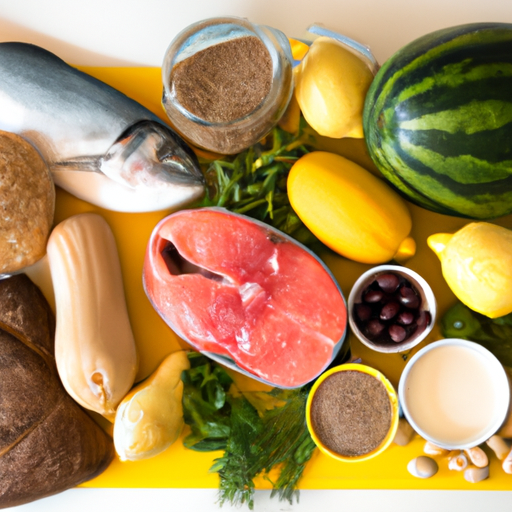
Apart from meats, the diet also includes generous servings of fish and seafood, abundant in omega-3 fatty acids.
Legumes and Beans as Protein Sources
Legumes and beans are another fantastic source of proteins and fiber in this diet, so feel free to include those in your meals regularly.
Importance of Nuts and Seeds for Protein
In addition, nuts and seeds are a common snack or garnish in the Mediterranean diet, providing healthy fats and proteins.
JD’s Personal Experiences with the Mediterranean Diet
Why JD Chooses the Mediterranean Diet
Being a father, JD realized the importance of investing in health early on. That’s why he chose the Mediterranean Diet – a lifestyle pattern that stands the test of time and scientific research.
JD’s Experience with Balancing Meat Consumption
JD’s journey has taught him how to enjoy meats without overindulging. It’s about that balance and the pleasure of sharing meals with loved ones.
How the Mediterranean Diet has Benefited JD’s Health
And guess what? Following this way of eating, JD has noticed improvement in his energy levels and overall wellness.
Sharing High-Quality Food with the Family
How the Mediterranean Diet Encourages Family Meal Times
Encouraging quality time around the table, the diet emphasizes sharing meals with family, one of JD’s favorite parts about it.
Teaching Children the Importance of Balanced Eating through the Mediterranean Diet
This lifestyle offers a golden opportunity to teach his children the importance of balanced eating, ingraining good food values in them from a young age.
Creating Enjoyable and Healthy Meals with the Mediterranean Diet
By creating enjoyable and healthy meals together, JD and his family are not only eating better but also making cherished memories.
Case Studies of Mediterranean Diet Followers
Stories from People who Limited Meat Consumption
Many followers of the Mediterranean Diet have shared positive experiences of eschewing heavy meat consumption for a more balanced diet.
Health Improvements Observed from Following the Mediterranean Diet
The health benefits are abundant: improved cardiovascular health, lower cholesterol, improved weight management – the list goes on.
The High-Quality Life Enjoyed by Mediterranean Diet Followers
Clearly, those who adopt the Mediterranean lifestyle often report enjoying a high-quality life.
Conclusion: Can You Eat Meat Everyday On Mediterranean Diet?
Reflection on the Role of Meat in the Mediterranean Diet
So, to answer the original question “Can you eat meat every day on the Mediterranean diet?” you could, theoretically. However, the principle of the diet calls for moderation and balance rather than indulgence.
Final Insights on Meat Consumption within the Mediterranean Diet
The Mediterranean Diet treasures quality over quantity. It says ‘Yes’ to tasty, nutrient-dense food and ‘No’ to restriction and deprivation.
How Adopting the Mediterranean Diet can Enhance Health and Family Bond
So, why not give it a try? Here’s a lifestyle pattern that not only takes care of your health but also paves the way for joyful meals and stronger family bonds. Living the Mediterranean way may just be the change you were looking for!
Leave a Reply