Ever wondered if you can incorporate your loved pasta and bread while on the Mediterranean diet? Such a question is quite common, given that these foods are everyday favorites for many. But hold your horses, don’t stress out. Your love for pasta and bread doesn’t have to dwindle.
In this article, a whole dimension unfolds as we explore this intriguing topic. The information packed in this article will help you understand how these beloved foods fit into the Mediterranean diet. Be prepared to expand your knowledge and, in turn, maintain a lifestyle that combines health and the important aspect of enjoying quality food with your cherished ones.
Understanding the Mediterranean Diet
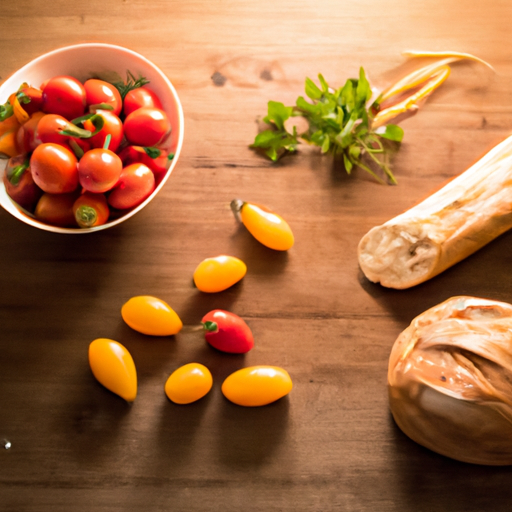
The Mediterranean Diet originated from the traditional eating habits of people living in countries bordering the Mediterranean Sea. This diet emphasizes consuming fruits, vegetables, whole grains, legumes, nuts, seeds, and olive oil. It also includes moderate amounts of dairy, eggs, fish, and poultry, with minimal consumption of red meat.
The Origins of the Mediterranean Diet
The Mediterranean region is known for its rich history, culture, and most remarkably, its diverse cuisine. This diet came into existence from the dietary patterns of people living in countries such as Italy, Greece, and Spain. Interestingly, despite the differences in regional cuisines, there are striking similarities in what they consume.
Components and Principles of the Mediterranean Diet
At the core of this diet are plant-based foods like fruits, vegetables, whole grains, and legumes. Olive oil takes center stage as the primary source of fat. Dairy products such as cheese and yogurt, eggs, and various types of fish and poultry are also part of this diet. It encourages moderate wine intake and advises low consumption of non-fish meat products.
Health Benefits Associated with the Mediterranean Diet
Multiple research studies show that following this diet leads to numerous health benefits. These include lower risk of heart disease, improved brain health, effective weight management, and increased longevity. The Mediterranean Diet, rich in nutrients and antioxidants, is indeed a journey towards wholesome health.
Role of Pasta in Mediterranean Diet
Basics of Pasta in the Diet
A factor that makes the Mediterranean Diet highly appealing is its inclusion of pasta. Whether it’s a plate of spaghetti, a comforting lasagna, or a simple macaroni salad, pasta dishes are savored in Mediterranean cuisine.
The Right Type and Amount of Pasta to Eat
It’s important to choose whole-grain pasta as it is high in fiber and helps us to feel fuller for longer. Portion control is also essential. A reasonable quantity of pasta to consume in one meal is 1/2 to 1 cup cooked pasta.
Healthy Ways of Incorporating Pasta into Meals
Adding lots of different vegetables, using olive oil, and accompanying it with lean protein like fish or chicken makes for a balanced Mediterranean pasta dish. Refrain from heavy cream sauces and consider tomato-based or garlic and olive oil ones instead.
Role of Bread in Mediterranean Diet
The Place of Bread in the Diet
Just like pasta, bread is a common staple in the Mediterranean Diet. However, this isn’t your typical white bread, but rather whole grain bread that’s packed with fiber and nutrients.
Choosing the Appropriate Bread Type
Choose bread made from whole grains like whole wheat or rye, not white bread, which is made from refined grains. It lacks dietary fiber and other nutrients found in whole grain bread.
Beneficial Ways of Incorporating Bread
Bread can be enjoyed as a part of a sandwich filled with vegetables and lean proteins, or alongside olive oil, cheese, or fresh tomatoes. Stick to one to two slices per meal.
Balancing Pasta and Bread Intake
Pasta vs Bread: Which One to Choose?
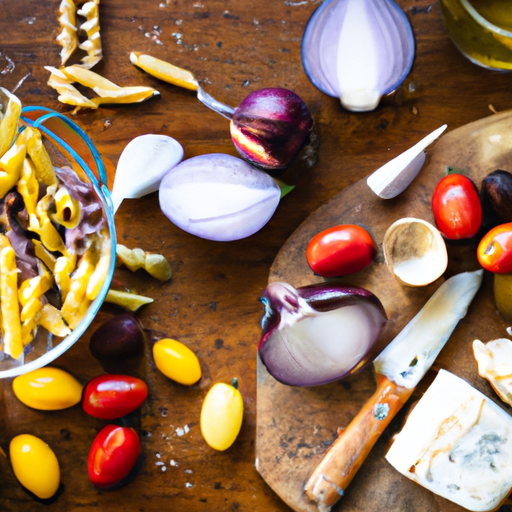
It’s not about choosing one over the other. Both pasta and bread bring unique flavors and textures to your meals. The key is to aim for balance and moderation.
Tips to Distribute Pasta and Bread in Your Meals
Consider incorporating pasta and bread alternately across meals and days. If you have a sandwich for lunch, maybe pasta for dinner could be pushed for another day.
Avoiding Excessive Pasta and Bread
Overconsumption can lead to excessive calorie intake even if it’s whole grain pasta or bread. Listen to your body’s signals of fullness to avoid overeating.
Replacing Pasta and Bread
Healthy Alternatives to Pasta
If you want to take a break from pasta, you can find great alternatives in the Mediterranean Diet like couscous, quinoa, or brown rice.
Beneficial Substitutes for Bread
Whole grain crackers, rice cakes, or a whole grain tortilla could replace bread in your meals.
Why and When to Consider Replacements
These substitutions are an excellent option when you want variety in form and taste, or if you’re managing specific diet constraints like gluten intolerance.
Family Meal Ideas Including Pasta and Bread
Breakfast Recipes Including Pasta or Bread
A simple whole grain toast with avocado and an egg, or a pasta salad with fresh vegetables would make for a nutritious and delightful breakfast.
Lunch and Dinner Meals with a Touch of Pasta or Bread
A whole grain pasta salad with lots of vegetables and tuna for lunch or a whole grain sandwich filled with grilled chicken and a lot of lettuce for dinner would please every palate.
Balancing Family Needs with Dietary Restrictions
The Mediterranean diet offers immense flexibility. Adjusting amounts and components can help cater to the dietary needs of every family member.
Eating Out on a Mediterranean Diet
Dining at Restaurants while Keeping with Diet
When dining out, opt for salads and grilled protein, request for whole grain pasta or bread, and ask for olive oil-based dressings.
Choosing Pasta and Bread when Eating Out
Ensure the pasta is whole grain and not served with heavy cream-based sauces. As for bread, choose those made from whole grains.
Striking a Balance when Not Eating at Home
Remember, the Mediterranean Diet is not about restrictive eating. It’s more about mindful choices. Don’t fret over indulging occasionally.
Ignoring Common Misconceptions
Busting the Myth: Pasta and Bread are not Enemies
Contrary to some narratives, pasta and bread are not the enemies of your waistline or health, particularly when they’re whole grain, portion-controlled, and combined with loads of vegetables and lean proteins.
Setting Realistic Dietary Goals
Progress over perfection should be the goal. Instead of strict adherence to every component of the diet, make gradual changes and enjoy the journey of healthier eating.
Breaking Free of Restrictive Diet Culture
Eating should bring joy, not anxiety. The Mediterranean Diet, with its balance, variety, and flexibility, supports this philosophy beautifully.
Involve Family in the Diet Changes
Incorporating Family in Meal Preparations
Making meals together is a great way to instill healthy eating habits and build team spirit in the family. Children especially, enjoy taking part and eating the food they helped prepare.
Teaching Kids the Benefits of Healthy Eating
Show them how a colorful salad, a hearty pasta dish or a simple sandwich on whole grain bread can be delightful and nourishing at the same time.
Ensuring the Diet Suits the Entire Family
The whole family should be a part of the healthy eating journey. From the choices of dishes to preparation techniques, ensure all family members’ tastes and preferences are considered.
Conclusion: Pasta, Bread and Mediterranean Diet
Pasta and Bread are a Part of Mediterranean Diet
Whole grain pasta and bread in moderation, along with fruits, vegetables, lean proteins, and healthy fats, form the core of the Mediterranean Diet. It doesn’t ask you to give up on your favorites but instead encourages conscious and healthy choices.
Moderation is Key
The Mediterranean Diet underscores the import of balance and moderation. It’s not about giving up pasta or bread but enjoying them mindfully in moderate quantities.
Benefits Go Beyond Merely Weight Regulation
From fostering heart health to boosting brain function and promoting longevity, the benefits of the Mediterranean Diet are wide-ranging. It champions a holistic life-transforming approach rather than mere weight loss.
JD, the creator of this blog, believes in sharing meals that not only tantalize taste buds but also nourish the body. The focus is not just on health but also on creating joyful eating experiences shared with the loved ones. Remember, nothing brings people together like good food!
Leave a Reply