In this article, we’re taking a closer look at whether pickles fit into the Mediterranean diet, a lifestyle choice that you might be considering for its myriad health benefits. Not only will you discover where pickles stand in this diet, but you’ll also gain deeper insight into the health advantages of adopting a Mediterranean nutrition plan especially long term wellness, something all of us, including JD, value. Let’s explore this together!
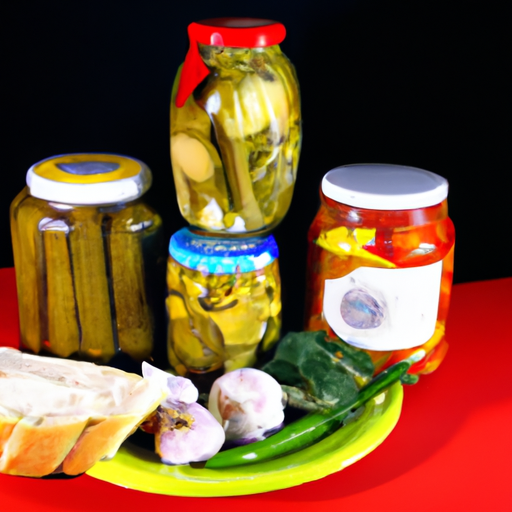
Understanding the Mediterranean Diet
The Mediterranean diet is widely recognized for its manifold health benefits. It derives its name from the culinary habits and patterns of the people in the Mediterranean region. This diet is the traditional eating style of the countries bordering the Mediterranean Sea, including Italy, France, Greece, Spain, and others.
Main components of the Mediterranean diet
At its core, the Mediterranean diet is more of a lifestyle than a strict set of dietary rules. It emphasizes fruits, vegetables, whole grains, legumes, and lean proteins such as poultry, eggs, and fish. Moreover, it encourages moderate consumption of dairy in the form of cheese and yogurt, and a robust intake of olive oil.
Health benefits of the Mediterranean diet
This nutrient-dense diet is acclaimed for promoting heart health, supporting weight management, and even boosting brain health, to name but a few health benefits. Several studies have suggested a link between this diet and a lower risk of chronic diseases, such as heart disease and cancer.
Common misconceptions about the Mediterranean diet
A common myth about the Mediterranean diet is that it commands a high intake of pasta, bread, and oil. While these components do form a part of the diet, the portion size and frequency at which they are consumed play a critical role.
An Overview of Pickles
Pickles have been an integral part of cuisines worldwide for centuries.
The process of making pickles
Pickling is a culinary process used to extend the shelf life of foods, particularly fruits and vegetables. This is achieved by immersing the produce in a solution of vinegar or brine, often along with various spices.
Different types of pickles
There are countless variations of pickles, owing to a wide array of vegetables and spices used. However, the most common types across cultures include cucumber pickles, sauerkraut, and kimchi.
Nutritional value of pickles
Contrary to popular belief, pickles do more than just add a tangy crunch to your meals. They are a source of probiotics, which help promote a healthy gut. Some pickles are also rich in vitamins and antioxidants.
Pickles in the Mediterranean Cuisine
The Mediterranean cuisine, true to its philosophy of celebrating local and seasonal produce, makes abundant use of pickles.
Traditional use of pickles in Mediterranean dishes
Pickles, known as “turşu” in this region, are served with nearly every meal. They effortlessly enhance the flavor profile of dishes and balance out rich or fatty meals.
Popular pickle-based Mediterranean recipes
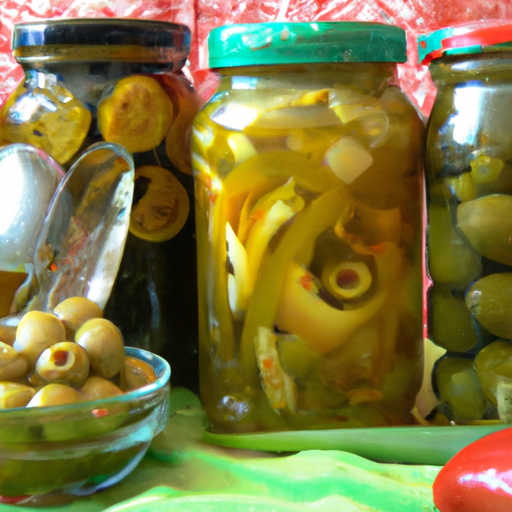
Pickled cucumbers, olives, and peppers are some of the most commonly used pickles in Mediterranean recipes. They are widely used in salads, sandwiches, and as side dishes.
Are Pickles Allowed in the Mediterranean Diet?
A frequent question is whether pickles have a place in the Mediterranean diet.
Why pickles can fit the Mediterranean diet
The Mediterranean diet welcomes whole, nutrient-rich foods, provided they do not comprise excessive amounts of added sugars, salts, and unhealthy fats. Hence, pickles fit well into this diet when consumed properly.
Concerns about the sodium content in pickles
It is crucial to note that while pickles are on the Mediterranean menu, their high sodium content can be a matter of concern. Sodium, in excess, can impose health risks such as high blood pressure.
How to Incorporate Pickles into the Mediterranean Diet
Like any other food, pickles, too, should be consumed in moderation on the Mediterranean diet.
Balancing pickles with other food groups
Ideally, pickles should be incorporated as a side to complement a dish rather than as a main course.
Healthy ways to consume pickles
Pickles can serve as a flavor enhancer in salads or as a tangy addition to sandwiches.
Picking the Right Pickles for Mediterranean Diet
Choosing the right kind of pickles is just as important as the serving size.
Avoiding commercially prepared pickles
Commercial pickles typically contain artificial preservatives and are high in sodium. Hence, they should be avoided.
Opting for homemade or naturally fermented pickles
Homemade pickles allow you to control the ingredients and are typically healthier. Fermented pickles are a great choice too.
Recipe Suggestion: Mediterranean Diet-friendly Pickles
Making pickles at home is simpler than you might think.
Choosing the right vegetables for pickling
Cucumbers, green beans, or bell peppers are great options for homemade pickles.
Step-by-step guide to making homemade pickles
Simply place sliced vegetables in a jar filled with a vinegar solution and your choice of spices. Let it sit for a couple of days, and your homemade pickles are ready to be savored.
The Role of Family Sharing in the Mediterranean Diet
Another essential aspect of the Mediterranean diet is the practice of communal eating.
Promoting healthy eating habits among children
Sitting down for meals together allows parents to instill healthy eating habits in their children. It’s a wonderful opportunity to introduce kids to a wide variety of foods, including pickles.
Making meal times a family affair
The act of sharing a meal helps strengthen family bonds while promoting healthier eating habits.
Personal Experience: JD on Pickles and Mediterranean Diet
As a father and a stalwart of the Mediterranean diet, I place a high priority on sharing wholesome, nutritious meals with my family.
JD’s personal journey with the Mediterranean diet and pickles
My journey began when I started focusing on maintaining my health for the well-being of my children. And my intrigue for pickles – an unsung hero in the culinary world, and the Mediterranean diet, began thereon.
Encouraging a healthy lifestyle for the family with the Mediterranean diet
The Mediterranean diet allowed me to present my family with a table full of palatable and well-balanced meals. Pickles, with their tangy flavor and nutritional merits, soon found their place in our meals.
Conclusion
Reframing the Mediterranean diet as a lifestyle
Can pickles be eaten on the Mediterranean diet? Absolutely, yes! The Mediterranean diet is not about restriction. It is about creating a harmony of different food groups, pickles included, to make meals flavorful and nutritious.
Embracing a balance, not restrictions with the Mediterranean diet
To follow the Mediterranean lifestyle, you need not give up on your favorite foods, pickles included. As with everything, moderation and a balanced approach are key.
Leave a Reply