You’ve probably come across the common question, “Can you eat rice on a Mediterranean diet?” Maybe you’ve just started this eating plan, or maybe you’re considering the switch for your health and lifestyle. It’s a question that has a lot of us wondering, especially if you’re a fan of rice and can’t imagine your meals without it.
Well, you’re in for some good news! This article will delve into the specifics and give you a clearer perspective about incorporating rice into your Mediterranean diet. You’ll not only learn if it’s permitted, but also how to incorporate it effectively for your health. So, sit back, relax, and let’s embark on this culinary journey focused on the balance of indulgence and good health.
Understanding the Mediterranean Diet
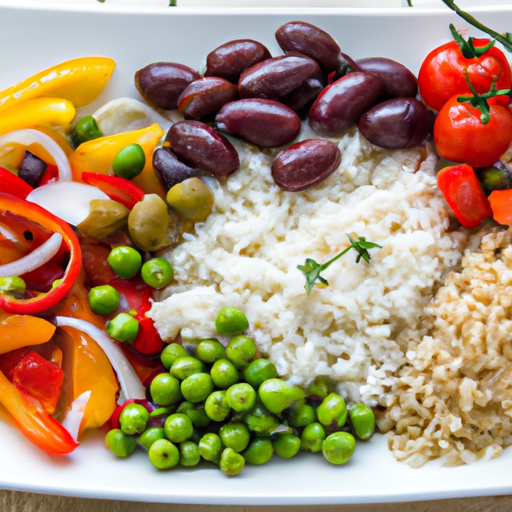
The Mediterranean diet is more than just a diet; it’s a lifestyle that emphasizes wholesome, natural food, including plenty of fruits, vegetables, lean proteins, and healthy grains, such as rice. This diet mirrors the eating habits of Mediterranean countries like Italy, Greece, and Spain.
Fundamentals of the Mediterranean Diet
At its core, the Mediterranean diet is all about consuming plenty of plant-based foods, fish, and seafood with moderate amounts of dairy products, eggs, poultry, and red wine. It encourages healthy fats like olive oil instead of butter and features herbs and spices instead of salt to flavor dishes. This diet is not just about what you eat, but also about how much enjoyment you get from meals.
Health Benefits of the Mediterranean Diet
The Mediterranean diet offers an array of health benefits. Studies have shown that it can help to reduce heart disease risk, lower blood pressure and cholesterol levels, manage diabetes, and prevent certain types of cancer. It is deemed suitable for all individuals, encompassing all ages and fitness levels, and is recognized for its role in promoting long-term health and longevity.
The Role of Rice in the Mediterranean Diet
Rice is a staple in the Mediterranean Diet, providing essential nutrients and energy. It is considered to be a robust base for many meals and adds to the feeling of fullness, thereby limiting overeating.
Importance of Whole Grains
Whole grains like rice are essential to the Mediterranean diet. They are rich in dietary fibers, vital for maintaining gut health and regulating blood sugar levels. They also provide essential nutrients including vitamins, minerals and antioxidants that contribute to overall wellbeing.
Types of Rice used in Mediterranean Cuisine
Brown and wild rice are the most commonly used types due to their high nutrient content. Generally, people in the Mediterranean region prefer them to white rice because of their rich, nutty flavor and superior nutritional benefits.
The Nutritional Value of Rice
Rice is a nutritional powerhouse, brimming with essential vitamins and minerals that offer significant health benefits.
Dietary Fiber in Rice
Brown and wild rice have a high amount of dietary fibers, which aid in healthy digestion and contribute to feelings of satiety. They keep you full for longer periods, reducing unhealthy snacking.
Essential Vitamins and Minerals in Rice
Rice is a good source of B vitamins that help with energy production, support heart health, and contribute to the health of the nervous system. It also contains essential minerals including magnesium, phosphorus, selenium, and iron.
Incorporating Rice into the Mediterranean Diet
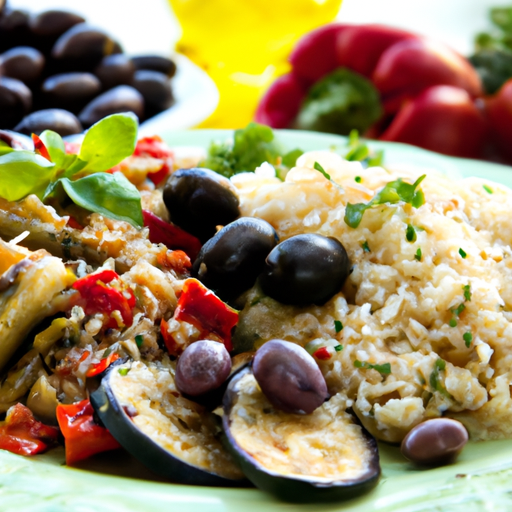
Rice can be easily integrated into the Mediterranean diet and can become a regular part of your meals.
Healthiest Ways to Cook Rice
Most often, rice is boiled or steamed. It can also be cooked in a rice cooker or microwave. Some prefer to rinse or soak rice before cooking to remove any potential traces of arsenic.
Mediterranean Dishes with Rice
Many popular Mediterranean dishes feature rice, such as Spanish paella, Greek dolmades, and Italian risotto; these dishes feature fresh, wholesome ingredients that align with the principles of the Mediterranean diet.
Limitations and Moderation
Like any food, rice should be enjoyed in moderation as part of a balanced diet. While rice is nutritious, it is also calorie-dense.
The Downside of White Rice
White rice is often criticized as it undergoes processing, and this milling removes the bran and germ. This results in a loss of fiber, vitamins, and minerals.
Portion Control and Balance
Keeping portion sizes in check is key; stick to a half-cup to one cup of cooked rice per meal. The Mediterranean diet isn’t focused on counting calories or portions – it’s more about balance, variety, and enjoyment.
Variety in the Mediterranean Diet
The Mediterranean diet is diverse and flexible, offering a wide range of food choices that can accommodate personal preferences and dietary restrictions.
Alternatives to Rice in the Diet
While rice is a popular choice, there are many other whole grains that are part of the Mediterranean diet, like barley, quinoa, oats, bulgur, and farro.
Diversity of Whole Grains
Each whole grain brings its unique set of health benefits and nutrients, contributing to the diet’s nutritional diversity. Having a variety ensures that you’re not just getting a wide range of nutrients, but also enjoying different tastes and textures.
Role of Diet in Family Health
The Mediterranean diet isn’t just about individual health; it’s about cultivating healthy eating habits for the whole family.
Passing on Healthy Eating Habits
The way we eat greatly influences our children’s food choices and habits. By incorporating the Mediterranean diet principles, we can nurture a healthy relationship with food in our children.
Family Meals and the Mediterranean Lifestyle
Family meals are intrinsic to the Mediterranean lifestyle, with an emphasis on relaxation, enjoyment of food, and communal dining.
Maintaining Long-term Health
The beauty of the Mediterranean diet lies in its potential for promoting long-term health and wellness. It’s not a flash-in-the-pan trend, but a sustainable lifestyle.
Sustainability of the Mediterranean Diet
Its emphasis on plant-based foods, and moderate consumption of meat, poultry, and dairy makes it environmentally sustainable as well.
Effects of Diet on Longevity and Quality of Life
The Mediterranean diet contributes to longevity, not only extending life span but also improving the quality of life by preventing chronic diseases and improving mental health.
Other Factors to Consider with Mediterranean Diet
The Mediterranean lifestyle isn’t solely about the diet. It also encapsulates an active lifestyle and the value of social connections.
Combining Diet with Exercise
People in the Mediterranean region complement their wholesome diet with regular physical activity such as walking, swimming, and Bike-riding. Regular exercise helps to maintain a healthy weight, strengthen the heart, boost mood and energy levels, and improves overall longevity.
Role of Community and Sharing in Diet
Community and social connections play a significant role in the Mediterranean lifestyle. Meals are often a communal affair and embrace the joy of eating, sharing, and spending time together.
Conclusion
Recap: Can You Eat Rice On Mediterranean Diet
The answer is a resounding “Yes!” Rice, particularly whole grain varieties like brown and wild rice, are a healthy and nutritious staple of the Mediterranean diet.
The True Essence of Mediterranean Diet
At its heart, the Mediterranean diet isn’t just a diet, it’s a way of living. It’s about savoring each bite, cherishing the time with family, and living life to the fullest, all while remaining healthy. So, whether it’s rice or any other wholesome food that you enjoy, the Mediterranean diet has room for it. Here’s to living the Mediterranean way!
Leave a Reply