You may be wondering whether the Mediterranean Diet allows you to consume unlimited vegetables. Throughout this article, you’ll gain an understanding of this diet’s approach to vegetable consumption and how it fits into a balanced lifestyle. Expect an exploration of the key principles of the Mediterranean Diet and why vegetables hold such importance. Bear in mind, our focus is to ensure you and your family maintain your long-term health without compromising on the quality of the food you share.
Understanding the Mediterranean Diet
The Mediterranean diet, a popular dietary regime globally, originates from the typical eating habits of people living in the Mediterranean regions like Italy, Spain, and Greece.
Origins of the Mediterranean Diet
This diet pattern is rooted in the traditional foods that people used to consume in the countries surrounding the Mediterranean Sea. Unlike some other diet plans, the Mediterranean diet is more of a lifestyle that promotes eating healthy, balanced meals and sharing them with family and friends.
Key Components of the Mediterranean Diet
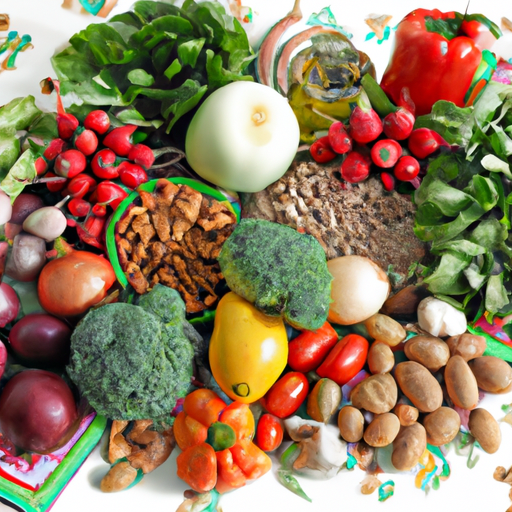
The Mediterranean diet is primarily plant-based. It heavily urges the consumption of fruits, vegetables, legumes, grains, olive oil, and a moderate amount of fish and poultry. Less emphasis is placed on dairy products, red meat, and sugary foods.
Health Benefits Associated with the Mediterranean Diet
This diet boosts your health in many ways by reducing the risk of cardiovascular disease, controlling blood pressure and blood sugar levels, and aiding weight loss. The antioxidant-rich vegetables have robust cancer-preventing attributes. Besides, adhering to this diet keeps your brain healthy and delays the onset of Alzheimer’s and Parkinson’s diseases.
Role of Vegetables in the Mediterranean Diet
Most Commonly Used Vegetables in the Mediterranean Diet
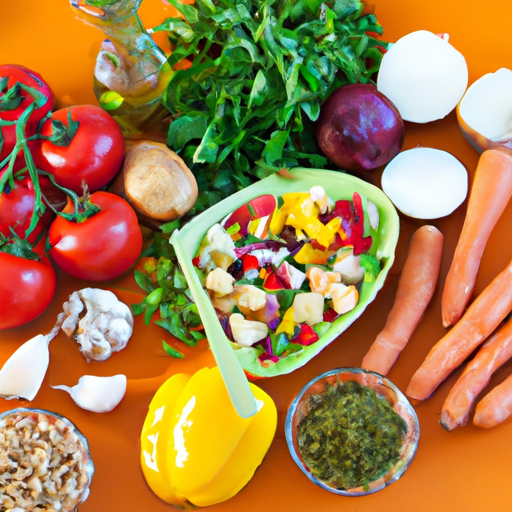
A plethora of vegetables, including leafy greens, tomatoes, cucumbers, zucchini, eggplant, bell peppers, onions, peas, and lentils, form the bulk of the Mediterranean diet.
Nutritional Profile of These Vegetables
These veggies are filled with essential vitamins, minerals, and fiber that support overall wellness. They are also packed with antioxidants that fight against inflammation and shield against chronic diseases.
How They Contribute to Improved Health and Longevity
Vegetables, thanks to their high fiber content, boost digestion, reduce bad cholesterol, and make you feel full for longer periods, thereby aiding weight management. Also, their rich nutrient density supports optimal body functioning and longevity.
Eating Unlimited Vegetables on the Mediterranean Diet: A Deeper Insight
Feasibility of Eating Unlimited Vegetables
While the Mediterranean diet encourages a significant intake of vegetables, you might wonder, can you eat unlimited vegetables? The short answer to this is—yes. However, this doesn’t mean you only eat veggies all day.
Potential Impact on Caloric and Nutrient Intake
Intake of too many vegetables might fill you up and lower your overall caloric intake. It could potentially restrict the consumption of other important food groups that the body requires.
The Importance of Diversified Diet
Remember, a healthy diet is a diversified diet. It is the interplay of various nutrients from different food sources that contribute to vibrant health, not just one food category.
Balancing Quantity and Quality in the Mediterranean Diet
Dangers of Excessive Consumption, Even for ‘Healthy’ Food Items
Even though vegetables are healthy, overdoing anything can have ramifications. Eating excessive vegetables can cause bloating, disrupt your digestive system, and may lead to nutrient imbalances.
The Role of Portion Control in the Mediterranean Diet
Portion control is crucial. Understanding the right serving size helps maintaining a balance between different food groups.
Understanding Quality in Terms of Food Preparation and Sources
Good quality vegetables, preferably organic, free from toxic additives, and adequately cooked, ensure that you derive maximum health benefits.
Evidence-Based Review of Unlimited Vegetable Consumption
Reviews of Studies on Unlimited Vegetable Intake
Research indicates that though vegetables are essential for good health, their overconsumption can sometimes lead to undesired metabolic fluctuations.
Pros and Cons as Suggested by Research
The pros of a substantial vegetable intake predominantly include enhanced digestive health, improved heart conditions, and protection against cancers. The cons are bloating, digestive discomfort, and potential nutrient imbalances.
Summary of What Scientists Suggest
Scientists suggest adopting a balanced approach. Consume plenty of vegetables but not at the expense of other healthy food groups.
Real-life Experiences and Reports
Testimonials from Those Following the Mediterranean Diet with Unlimited Vegetables
Many people have reported feeling healthier and more energetic since they started the Mediterranean diet, especially with the high vegetable intake.
Experts’ views on Unlimited Vegetable Intake in the Mediterranean Diet
Nutrition experts always recommend a diet rich in vegetables. However, they also emphasize incorporating a variety of fuel sources.
The Art of Family Meals in the Mediterranean Lifestyle
Significance of Family Meals in Mediterranean Regions
In Mediterranean cultures, much importance is bestowed upon consuming meals as a family. Sharing quality food with family reinforces bonds and makes meals an enjoyable experience.
Cultural Aspect of Sharing Quality Food
The cultural context of sharing quality food not only nurtures familial relationships but also imbibes in children the value of enjoying and appreciating food.
Family Meals and Children’s Health
Children develop healthy eating habits when they enjoy balanced, homemade meals with their family.
Tips for Following a Mediterranean Diet Plan
Planning Mediterranean Diet Meals
Planning your meals and including a mix of various nutrients is essential.
Balancing Your Diet with Other Sources like Grains, Fish, Oils
Though vegetables are a staple in the Mediterranean diet, they are balanced with whole grains, fish, olive oils, and moderate wine intake.
Cooking Methods Preferred in the Mediterranean Diet
Grilling, roasting, stir-frying or eating raw are preferred methods. This helps retain the nutrients in the vegetables.
Modifying the Mediterranean Diet to Suit Individual Needs
When You Might Need to Limit Vegetable Intake
If you suffer from specific health conditions that require limiting certain vegetables, tailor the diet accordingly.
Understanding Personal Nutritional Needs
Everyone has unique nutritional needs. Understand yours and modify your food intake suitably.
Role of Professional Guidance in Diet Modifications
Always seek professional help if you need to make significant changes to your diet.
Conclusion: Incorporating the Mediterranean Diet in Your Lifestyle
Taking a Balanced Approach
The key to adopting the Mediterranean diet is balance. Enjoy an abundance of vegetables but remember to incorporate other key nutrients as well.
Advantages of Incorporating the Mediterranean Diet
The Mediterranean diet is a roadmap to healthy eating habits that can protect you against many chronic diseases and enhance your overall wellbeing.
Seeking Medical Advice before Drastic Dietary Changes
Always consult a healthcare professional before making any significant alterations to your diet. They can help ensure that you’re meeting your nutritional requirements without jeopardizing your health.
Can you eat unlimited vegetables on the Mediterranean diet? Absolutely, yes—but ensure that you are balancing them with other valuable food groups. This way, you’ll enjoy the broad spectrum of nutrients that your body needs to thrive.
Leave a Reply