You probably have some questions about the Mediterranean diet, especially when it comes to your snack options. In this article, we will discuss if and how whole wheat crackers figure into this healthy lifestyle choice, providing you with a clear understanding of what this diet truly incorporates. By the end, you will become more informed about maintaining your health and promoting high-quality food sharing with your loved ones.
Understanding the Mediterranean Diet
Definition and principles of Mediterranean Diet
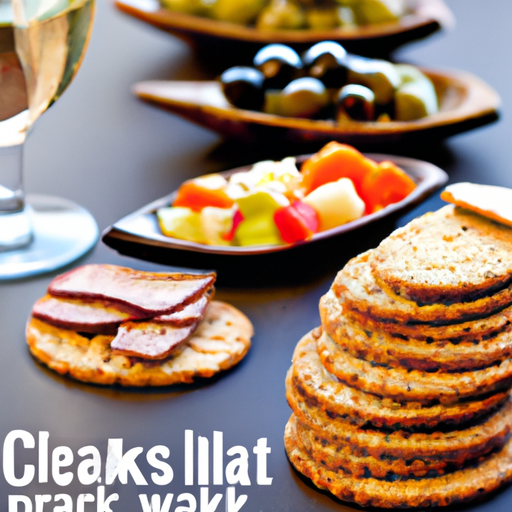
The Mediterranean Diet is a heart-healthy eating approach, inspired by the traditional diet of countries bordering the Mediterranean Sea. This diet emphasizes fruits, vegetables, whole grains, legumes, nuts, and olive oil, with moderate consumption of fish, poultry, dairy products, and red wine. It encourages you to savor and enjoy your food, combining great flavors with balanced nutrition.
The food groups in Mediterranean Diet
In the Mediterranean Diet, each meal is built around plant-based foods. Fresh fruits, vegetables, whole grains, legumes, and nuts form the basis of the diet. Olive oil, a source of healthy fats, replaces butter and margarine. Fish, poultry, eggs, and dairy products are consumed in moderation, while red meats and sweets are limited.
Key nutrients found in the Mediterranean Diet
The Mediterranean Diet is rich in key nutrients like dietary fiber, monounsaturated fats, polyunsaturated fats, and omega-3 fatty acids. It also provides ample amounts of vitamins and minerals, including vitamins A, C, E, K, and B, and minerals like potassium, magnesium, and calcium.
Health benefits of the Mediterranean Diet
Following a Mediterranean Diet can offer numerous health benefits. It reduces your risk of developing heart disease, high blood pressure, and type 2 diabetes, promotes a healthy body weight, and may even increase your lifespan. Plus, it improves memory and cognitive function, preventing dementia and Alzheimer’s.
Role of Whole Grains in the Mediterranean Diet
Essential functions of whole grains
Whole grains are a crucial part of the Mediterranean Diet, providing dietary fiber, protein, carbohydrates, and a variety of vitamins and minerals, particularly B-vitamins.
How whole grains contribute to your health
Whole grains contribute to your health by reducing your risk of heart disease, type 2 diabetes, obesity, and some forms of cancer. They help maintain healthy digestion and could also play a role in controlling blood sugar levels.
Different types of whole grains in Mediterranean Diet
The Mediterranean Diet features a variety of whole grains, including oats, bulgur, barley, couscous, farro, and whole wheat.
The recommended intake for whole grains
It’s recommended you eat at least 3 servings of whole grains per day on a Mediterranean Diet.
Whole Wheat Crackers On Mediterranean Diet
Why whole wheat crackers are a good choice
Whole wheat crackers are a good choice on a Mediterranean Diet because they are a source of whole grains, which provide essential nutrients and help keep you full between meals. They’re versatile and can be paired with many different foods.
Nutritional value of whole wheat crackers
Whole wheat crackers are an excellent source of dietary fiber, which aids digestion and helps maintain a healthy body weight. They also provide other minerals, vitamins, and proteins.
How to incorporate whole wheat crackers into the Mediterranean Diet
Whole wheat crackers can be used as a base for healthy toppings like hummus, avocado, or fresh vegetables. They can also be crumbled onto salads or included on a cheese and fruit platter.
Possible variations of whole wheat crackers
Variations of whole wheat crackers include those topped with seeds or nuts, flavored with herbs or spices, or made with other whole grains such as oats or barley.
Delicious Ways to Enjoy Whole Wheat Crackers with Mediterranean Foods
Whole wheat crackers with dips
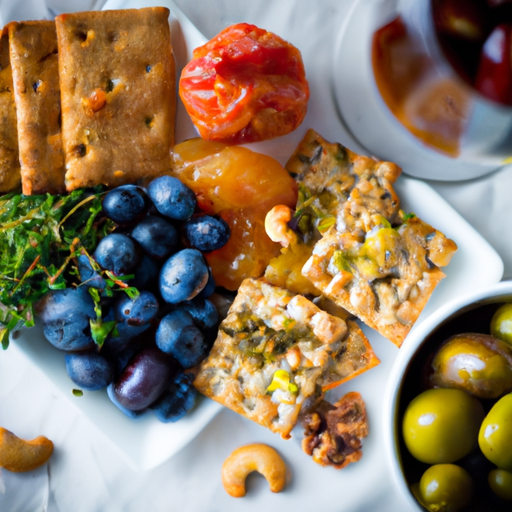
Whole wheat crackers are perfect for dipping into hummus, tzatziki, or baba ganoush, all popular in the Mediterranean diet.
Whole wheat crackers with fresh fruits or vegetables
Top your whole wheat crackers with fresh fruits or vegetables for a simple, nutritious snack. Try cucumber and feta or tomato and basil.
Whole wheat crackers with high-quality cheese
Pair whole wheat crackers with Mediterranean cheeses like feta, ricotta, or mozzarella for a balanced snack.
Whole wheat crackers as a delicious side to soups and salads
Use whole wheat crackers as a hearty addition to soups or salads – they add a satisfying crunch.
Cooking at Home: Making Your Own Whole Wheat Crackers
Benefits of making your own whole wheat crackers
Making your own whole wheat crackers allows you to control exactly what goes into them. You can modify the recipe to suit your taste and dietary needs.
Basic recipe for homemade whole wheat crackers
A basic recipe includes whole wheat flour, water, and a bit of salt. You can add extra flavor with items like sesame seeds, rosemary, or garlic.
How to customize your whole wheat crackers recipe
Try adding flavors that you love, like sunflower seeds, dried fruits, herbs, spices, or cheese, to your homemade whole wheat crackers for a personalized snack.
Tips for storing homemade whole wheat crackers
Store your homemade crackers in an airtight container at room temperature. They should stay fresh for about a week.
Creating Balance: Moderation is Key in Mediterranean Diet
Why moderation is important in Mediterranean Diet
The Mediterranean Diet encourages balance and moderation in meal planning. While it’s rich in nutritious foods, portion control is still necessary to avoid overeating and maintain a healthy weight.
The role of portion control in Mediterranean Diet
Even with healthy foods, eating more than your body needs can lead to weight gain. Practicing portion control helps you enjoy the wide variety of foods in the Mediterranean diet without overeating.
How to practice moderation with whole wheat crackers
While whole wheat crackers are nutritious, stick to a serving size – usually a handful or about 15 crackers.
Tips for maintaining balance and avoiding overeating
Try eating slowly and mindfully to fully enjoy your meals and snack, and to recognize when you’re feeling full. Keep portions in check, and don’t forget to incorporate physical activity into your daily routine.
Gathering Around the Table: Sharing Mediterranean Food with Family
Emphasizing family meals in the Mediterranean Diet
The Mediterranean Diet isn’t just about the food – it’s also about enjoying meals with family and friends. Shared meals enhance the dining experience and create opportunities for connection and conversation.
How to introduce whole wheat crackers to your kids
Start by serving whole wheat crackers with kid-friendly dips, like hummus or yogurt, or topping them with cheese or peanut butter.
Fun and healthy snack ideas using whole wheat crackers
Use whole wheat crackers to make fun and healthy snacks – like ‘mini pizzas’ topped with tomato sauce and veggies, or ‘fruit and cheese’ crackers with slices of fruits and cheese on top.
Meaningful family conversations over a meal with whole wheat crackers
Use mealtime as an opportunity to engage in conversation, discuss your day, and build family relationships. Sharing a meal with whole wheat crackers can be an opportunity to teach children about the benefits of eating healthy foods.
Staying Active and Healthy with the Mediterranean Diet
Why physical activity complements the Mediterranean Diet
Physical activity is a key component of the Mediterranean lifestyle. Regular exercise, combined with a healthy diet, can help maintain a healthy weight and reduce the risk of chronic diseases.
Activity ideas to stay active and healthy
Regularly participate in activities you enjoy, be it walking, cycling, swimming, dancing, or even gardening.
How whole grains such as whole wheat crackers provide energy for physical activities
Whole wheat crackers, rich in complex carbohydrates, serve as a great energy source for your activities, providing steady energy throughout the day.
Maintaining long-term health with a balanced Mediterranean Diet and active lifestyle
Combined with regular physical activity, the Mediterranean Diet is a sustainable lifestyle choice that promotes long-term health and well-being.
Addressing Common Concerns about Whole Wheat Crackers and the Mediterranean Diet
Responding to myths about eating whole grains
Despite the myths, consuming whole grains, including whole wheat crackers, is associated with various health benefits and is recommended in a balanced diet.
Explaining the difference between whole wheat and refined grains
Whole wheat includes the entire grain – the bran, germ, and endosperm. Refined grains, on the other hand, have the bran and germ removed, resulting in lost natural fiber, vitamins, and minerals.
Understanding potential gluten concerns with whole wheat crackers
If you have celiac disease or are sensitive to gluten, you may need to avoid whole wheat crackers. Fortunately, there are gluten-free whole grain options available, like brown rice or quinoa crackers.
Choosing the right whole wheat brands for Mediterranean Diet
Choose whole wheat crackers that list ‘whole wheat’ as the first ingredient, and that don’t contain added sugars or trans fats.
Conclusion: Embracing Whole Wheat Crackers in the Mediterranean Diet
The importance of whole wheat crackers inclusion in the Mediterranean Diet
Whole wheat crackers offer extra dietary fiber, protein, and other nutrients, and are a versatile addition to any Mediterranean meal or snack.
Reiterating health benefits of whole wheat crackers
Whole wheat crackers contribute to a balanced diet by providing essential nutrients, and offer a satisfying crunch and versatile vehicle for a variety of Mediterranean flavors.
Encouragement for continuous exploration and discovery in Mediterranean Diet
There’s much to explore and enjoy in the Mediterranean Diet, so keep trying new grains, fruits, vegetables, and ways of preparing your meals. Keep whole wheat crackers on your shopping list – they’ll likely become a favorite in your family!
Final thoughts on maintaining long-term health with the Mediterranean Diet
Adopting the Mediterranean Diet, which includes whole wheat crackers, offers a tasty and healthy way to promote long-lasting health. It’s an eating plan that emphasizes fresh, wholesome foods, hearty grains like whole wheat, and shared meal times, creating not just a diet, but a lifestyle that contributes to a vibrant, active family life.
Leave a Reply