Do you often find yourself pondering over the question – “Can I incorporate bananas into a Mediterranean diet?” Well, that’s an interesting food habit query you have there. Packed with nutrients and flavor, bananas are a popular fruit that many people enjoy on a regular basis. But how do they fit into the health-conscious ethos of the Mediterranean diet?
In this article, you will discover the answer to your question and more importantly, gain insights into the multiple health benefits of a Mediterranean diet – a diet that JD, a married father of three and the author of this article, swears by. Just like you, JD aims to remain active and healthy for his children, and a key part of his health regimen is shared meals with high-quality food. You can look forward to exploring top-notch Mediterranean diet recipes rich in fruits like bananas, and how they contribute to long-term health and wellness.
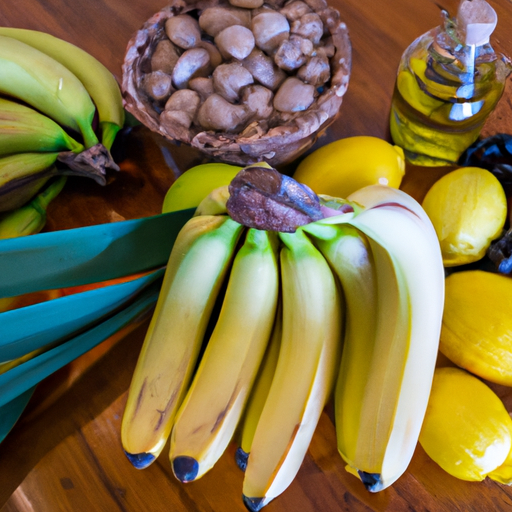
Understanding the Mediterranean Diet
The Mediterranean diet is a heart-healthy eating plan centered around foods traditionally consumed in countries like Italy, Greece, and Spain. You might associate the Mediterranean diet with roasted vegetables, fresh fruits, and lavish spreads of cheese and bread. This diet has been proven to not only keep your heart in optimal health but also helps sustain longevity and overall well-being.
Key Principles of the Mediterranean Diet
The Mediterranean diet involves much more than just the food you eat. It emphasizes healthy fats (like olive oil and nuts), lean proteins (like fish and chicken), an abundance of fruit and vegetable servings each day, whole grains, and moderate amounts of dairy. Additionally, it promotes regular physical activity, mindful eating, and enjoying meals with family and friends.
Major Food Components in Mediterranean Cuisine
As you dive into Mediterranean cuisine, expect to savor the flavors of fruits, vegetables, legumes, whole grains, fish, nuts, and olive oil. The diet also includes moderate portions of cheese and wine, sparing use of meat, and infrequent servings of sweets. Interestingly, one fruit you would not usually associate with Mediterranean countries can still form a healthy part of the diet – bananas.
Health Benefits Associated with the Mediterranean Diet
Research shows that the Mediterranean diet can help to reduce the risk of heart disease and lower the chances of developing Alzheimer’s disease or Parkinson’s. The diet is also linked to higher overall longevity and supports weight loss and weight management.
Classification of Fruits in the Mediterranean Diet
Let’s delve into the role of fruit in the Mediterranean diet, particularly focusing on bananas’ place in this nutritious lifestyle.
Common Fruits Traditionally Included in the Diet
Fruits like figs, oranges, lemons, grapefruits, and grapes commonly form part of the Mediterranean diet. That said, the eating plan embraces a broad fruit palette, including bananas.
Role of Fruits in Promoting Health in the Mediterranean Diet
Fruits provide daily doses of essential vitamins, antioxidants, and dietary fiber. Their beneficial role in the Mediterranean diet cannot be overstated, contributing to better digestive health, lower cholesterol levels, and combatting chronic diseases.
Comparative Nutritional Value of Fruits in the Mediterranean Diet
Each fruit offers unique dietary benefits, but bananas’ nutritional profile brings considerable value to the Mediterranean diet.
Introduction to Bananas
Did you know that bananas are one of the world’s most widely consumed fruits?
Nutritional Profile of Bananas
Bananas are rich in potassium, which is vital for heart health and blood pressure management. They also offer high amounts of vitamin C, vitamin B6, magnesium, fiber, and contain small amounts of protein and minimal fat.
Health Benefits of Bananas
Bananas can be credited for enhancing digestive health due to their fiber content, serving as a natural energy booster or workout fuel, and regulating blood sugar levels.
Global Consumption Patterns of Bananas
Whether eaten alone as a snack, part of a meal or dessert, bananas are a global dietary staple because they’re portable, versatile and nutritionally rich.
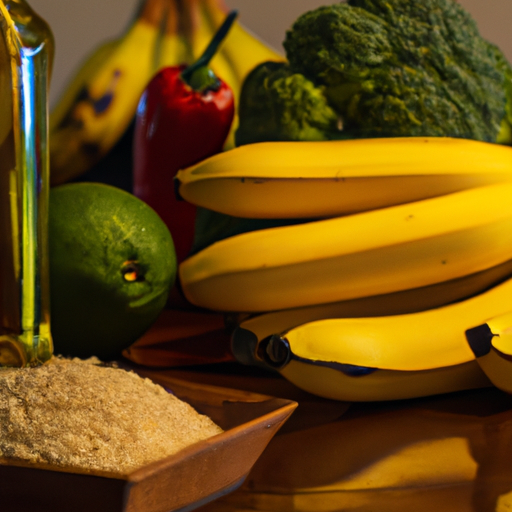
Incorporating Bananas into the Mediterranean Diet
Wondering how bananas fit into the Mediterranean cuisine and lifestyle? Let’s explore this.
Typical Role of Bananas in Mediterranean Cuisine
While not traditionally common in Mediterranean countries, bananas can make an excellent addition to the diet due to their nutritional benefits.
Creating Balanced Mediterranean Meals with Bananas
Use bananas as a sweetener for healthy desserts, slice them on top of whole-grain breakfast cereals, or blend into smoothies. They can enhance both the flavor and nutritional value of your Mediterranean meals.
Innovative Ways to Use Bananas in Mediterranean Recipes
Roasted in olive oil for a sweet treat, mashed as a replacement for some of the fats in baked goods, combined with yoghurt and honey, the possibilities for using bananas in the Mediterranean diet are vast.
Comparison of Bananas with other Mediterranean Fruits
It’s beneficial to compare other fruits in the Mediterranean diet to bananas’ nutritional profile.
Nutritional Differences among Bananas and other Mediterranean Fruits
While all fruits native to the Mediterranean region are beneficial, bananas offer a unique combination of vitamins, electrolytes, minerals, and fiber-earning them a worthy dish in the Mediterranean diet.
Taste and Texture Differences
The creamy texture and natural sweetness of bananas offer exciting culinary opportunities and differentiate them from many citrus and stone fruits typically found in the Mediterranean diet.
Considerations for Consumption of Bananas
While bananas’ nutritional contributions are significant, mindful consumption is key.
Potential Health Risks Linked to Overconsumption of Bananas
Like any fruit, overconsumption of bananas could lead to too much sugar intake. So, balance is essential.
Understanding Portion Control with Bananas
Typically, a portion of fruit in the Mediterranean diet is about one medium piece, or one whole banana.
Role of Bananas in a Family-Focused Mediterranean Dietary Approach
The Mediterranean diet values sharing quality meals with family. Why not make bananas a part of that experience?
Involving Children in Healthy Eating Habits with Bananas
Due to their sweet taste and fun shape, bananas are often a hit with kids, making them an excellent tool for promoting healthier eating habits.
Sharing Quality Food Experiences with Bananas
Imagine starting your day with homemade banana bread or ending an evening meal with a dessert of caramelized bananas sweetened with honey.
Personal Experience: Incorporation of Bananas into a Mediterranean Lifestyle
As a father, JD includes a Mediterranean diet in his family’s routine.
JD’s Personal Experience with Bananas on the Mediterranean Diet
JD started incorporating bananas into the family’s diet for variety and distinct health benefits. He observed improved energy levels and superior digestive health.
Impact on JD’s Health and Family
JD and his family have found bananas to be a satisfying and nutritious addition to their Mediterranean lifestyle, enhancing meals’ flavor and nutrient content.
Expert Opinions on the Consumption of Bananas in a Mediterranean Diet
Thoughts from Nutritionists and Dietitians
Experts widely acknowledge bananas’ health benefits and understand their flexibility in being included in a Mediterranean diet.
Findings from Scientific Studies
Studies indicate bananas’ positive impact on heart health, digestion, and endurance enhancement, illuminating them as an outstanding fruit for inclusion in the Mediterranean diet.
Conclusion
The Versatility of Bananas in the Mediterranean Diet
Bananas have proven their worth as a valuable and flexible addition to the Mediterranean diet with their unique nutritional profile and versatility in various recipes.
The Impact of Including Bananas in the Mediterranean Diet on Overall Wellbeing
By incorporating bananas into a balanced Mediterranean diet, you can enjoy the gratifying taste and reap numerous health benefits.
Re-affirmation of the Importance of a Balanced Mediterranean Diet
In closing, a Mediterranean diet is a recipe for a long, vibrant, and healthy life. After all, a diet that includes enjoying meals with family, delicious food and a balanced lifestyle can’t be beaten; whether you choose to include bananas in it or not is up to you. But now you know – they can make an excellent addition!
Leave a Reply