This might have crossed your mind: does the Mediterranean diet cause gas? Rest assured, you’re about to learn all about this. Throughout this friendly discussion, you’ll discover how this popular diet can affect your digestion and, yes, possibly lead to gas. You’ll also understand the role various foods play in your gut health and how you can enjoy the richness of the Mediterranean diet while also maintaining a comfortable digestive system.
Understanding the Mediterranean Diet
Before we delve into whether the Mediterranean Diet can cause gas, let’s first understand what this particular diet entails.
Origins and Principles of Mediterranean Diet
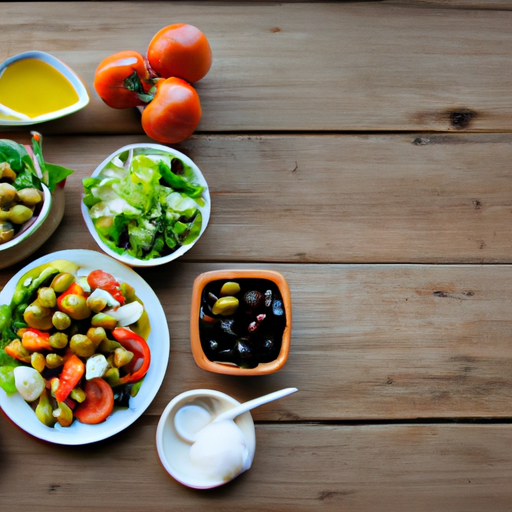
The Mediterranean Diet originates from the dietary habits of people living around the Mediterranean sea, primarily Greece, Spain, and Italy. It primarily focuses on the consumption of fresh, seasonal, and locally sourced foods. You are encouraged to eat a diverse range of colorful fruits and vegetables, lean proteins, legumes, and whole grains, complemented by a moderate intake of dairy products and wine. What sets this diet apart is not just the food, but also the Mediterranean lifestyle that emphasizes physical activity and enjoying meals with family and friends.
Key Components of the Mediterranean Diet
The key components are predominantly plant-based foods – colorful fruits and vegetables, whole grains, legumes, and nuts. Olive oil replaces butter, and herbs and spices substitute salt to flavor foods. Fish and seafood are consumed regularly, while poultry, eggs, cheese, and yogurt are eaten in moderation. Red meat and sweets are limited.
Digestive Implications of the Mediterranean Diet
Now let’s examine how the Mediterranean Diet can influence your digestive health.
Impact on Gut Health
The wide array of fresh fruits, vegetables, and whole grains in the Mediterranean Diet are great sources of dietary fiber, which aids in digestion by adding bulk to your stool, promoting regular bowel movements, and supporting gut health by feeding your beneficial gut bacteria.
Balancing Nutrient Intake for Digestive Health
By offering a balance of necessary nutrients, the Mediterranean Diet supports overall well-being and digestive health. It is low in saturated fat and high in dietary fiber and monounsaturated fats, helping in maintaining your gut health and overall well-being.
Gas Production in the Digestive System
To understand how the Mediterranean diet might influence gas production, you need to understand why gas is produced in the first place.
Causes of Gas Production
Gas production results from the digestion process. When you eat, your gastrointestinal system breaks down food. This process can cause the production of gas in your stomach and intestines.
Effects of Dietary Choices on Gas Production
Your dietary choices can significantly affect the amount of gas produced during digestion. Consuming certain types of food such as beans, lentils, broccoli, cabbage, onions, and carbonated drinks may increase gas production due to high amounts of certain nutrients and fibers that the body finds hard to break down.
The Link between the Mediterranean Diet and Gas
So, does following a Mediterranean Diet result in more gas? The answer might surprise you.
Foods in the Mediterranean Diet that May Contribute to Gas
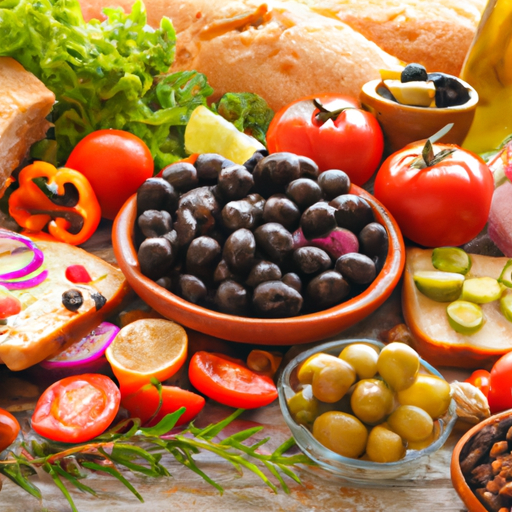
While the Mediterranean diet is exceptionally healthy, some food components may contribute to gas. Legionary elements like beans, lentils, whole grains, and certain vegetables known to cause gas are often featured in Mediterranean meals.
How the Mediterranean Diet May Help in Reducing Gas Production
Although some ingredients may contribute to gas, the high fiber content can eventually lead to less gas production over time as your body gets used to processing these foods more efficiently. This is particularly true if you are shifting from a diet low in fiber to a Mediterranean Diet.
Role of Fiber in the Mediterranean Diet
Let’s delve further into the role of fiber within the Mediterranean Diet.
Benefits of Fiber in the Mediterranean Diet
High in dietary fiber, the Mediterranean Diet helps in promoting better digestion, reducing the risk of chronic diseases such as heart disease, type 2 diabetes, and certain types of cancer.
How Fiber Contributes to Gas Production
While fiber is critically essential for digestive health, it might be a double-edged sword when it comes to gas. Some types of fiber are broken down by bacteria in the gut, leading to gas production.
How to Mitigate Gas on the Mediterranean Diet
Having understood the causes, let’s see how you can manage gas while enjoying a Mediterranean diet.
Adjusting Intake of Certain Foods
If the Mediterranean Diet is causing gas, consider modifying the intake of legumes and certain vegetables. It could help reduce undesirable symptoms.
Introducing Foods Gradually to Minimize Gas Production
If you’re new to this diet, introducing dietary changes gradually can give your gut bacteria time to adjust, which could help minimize gas production.
Healthy Eating, Exercise and Enjoying Food
Beyond food, the Mediterranean Diet also embodies a specific lifestyle.
Importance of Physical Activity while on the Mediterranean Diet
Regular physical activity is a crucial component. Not only does it aid in digestion, but it also helps reduce gas and bloating.
Savoring the Pleasures of the Mediterranean Diet
Enjoying food goes hand in hand with the Mediterranean Diet. Not only does it emphasize nutrition, but it also values the joy of eating wholesome meals with loved ones.
Sharing Quality Food with Family
Making the Mediterranean Diet a Family Affair
The Mediterranean Diet isn’t just a personal health journey but also offers an opportunity to introduce healthier eating habits to your entire family.
Teaching Children Healthy Food Choices with the Mediterranean Diet
The diet’s focus on fresh, flavorful ingredients makes it perfect for educating children on making nourishing food choices.
Mediterranean Diet: A Lifestyle, Not a Trend
Sustaining Long-term Health with the Mediterranean Diet
The Mediterranean Diet isn’t a fleeting trend—it’s a lifestyle choice that encourages long-term health and vitality.
The Mediterranean Diet for All Ages
With its focus on variety, flavor, and balance, the Mediterranean Diet can be adopted and enjoyed by people of all ages.
Conclusion: The Balanced Approach of the Mediterranean Diet
Embracing the Full Benefits of the Mediterranean Diet
While initially, you may experience an increase in gas, don’t let that deter you from experiencing the benefits of the Mediterranean Diet. Over time, your body should adjust, and gas should decrease.
Adjusting and Adapting to the Mediterranean Diet for Overall Health
The Mediterranean Diet offers numerous health benefits, and adapting to this new way of eating may require some time. Be patient and allow your body to adjust.
In conclusion, while the Mediterranean Diet may initially cause a slight increase in gas due to higher fiber intake, this should decrease as your body adjusts. The array of health benefits, such as promoting digestive health, reducing the risk of chronic diseases, and fostering an enjoyable eating environment with family and friends, far outweighs this temporary discomfort. As with any dietary changes, consult with a healthcare professional if you have any concerns or persistent digestive issues.
Leave a Reply