Welcome to your informative discussion on the fascinating subject, “Does the Mediterranean Diet Include Butter?” In our friendly chat, you’ll understand whether butter is a part of this famous diet or not, and its impact on your overall health. So, stick around as we explore this vital aspect of the Mediterranean diet that promotes well-being and enjoyment of food with loved ones.
Understanding the Mediterranean Diet
The Mediterranean Diet is a lifestyle choice rooted in the traditional dietary patterns of countries bordering the Mediterranean Sea. This diet has a rich history and has been recognized for its considerable health benefits.
Diet Basics
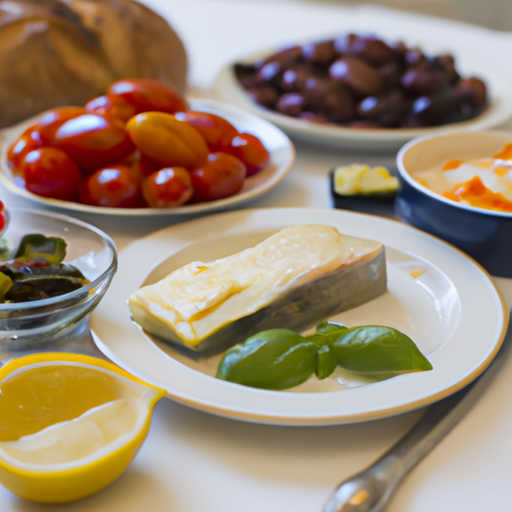
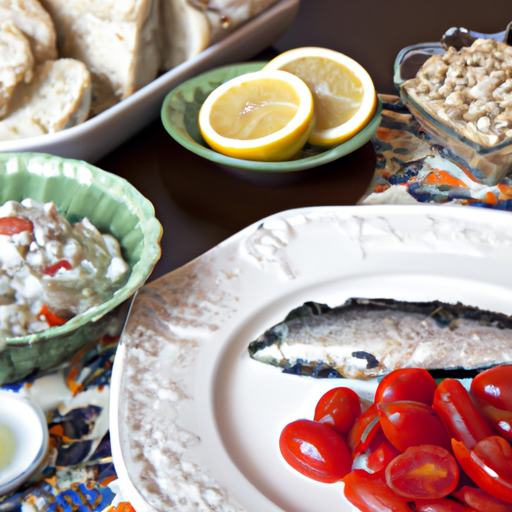
The Mediterranean Diet centers on consuming fruits, vegetables, legumes, whole grains, and healthy fats, primarily from olive oil. Fish and seafood are consumed several times per week, while poultry, eggs, cheese, and yogurt are enjoyed in moderation. Red meat and sweets are limited due to their higher caloric and unhealthy fat content. Rather than heavily processed foods, the focus is more on natural, fresh, and minimally processed foods.
Popular Foods in the Mediterranean Diet
The Mediterranean Diet includes a variety of foods like olives, whole grains, green leafy vegetables, nuts, legumes, fish, and of course, olive oil. All these foods are rich in heart-healthy unsaturated fats, dietary fiber, and essential nutrients.
Health Benefits of the Mediterranean Diet
Several studies link the Mediterranean Diet to a reduced risk of heart disease, diabetes, and certain types of cancer. It can also aid in weight management and improve brain health.
Role of Fats in the Mediterranean Diet
Fats are a crucial part of the Mediterranean Diet but it’s all about the type and quantity of fats.
Importance of Healthy Fats
Healthy fats like monounsaturated and polyunsaturated fats found in olive oil, avocados, and nuts can lower bad cholesterol levels and reduce the risk of heart disease and stroke.
Common Sources of Fats in the Mediterranean Diet
Thirty-five to forty percent of the total caloric intake in a traditional Mediterranean Diet comes from fat, primarily from olive oil and fatty fish, which are high in monounsaturated and polyunsaturated fats.
Does Mediterranean Diet Include Butter?
Generally, Mediterranean cuisine limits the use of butter.
Usage of Butter in Mediterranean Cuisine
Olive oil is the main fat of choice in Mediterranean cuisine, although butter is occasionally used in baking or in dishes from the northern regions.
Healthy Alternatives to Butter in the Mediterranean Diet
Extra virgin olive oil, avocado, and nut-based spreads are typical alternatives to butter in the Mediterranean Diet, given their healthier fat profile.
Common Misconceptions About the Mediterranean Diet
Myths surrounding the Mediterranean Diet can create confusion.
Myth: All Fats are Bad
Not all fats are created equal. The Mediterranean Diet focuses on including heart-healthy fats and shuns unhealthy fats found in processed and fried foods.
Myth: Butter is Essential for Taste in Dishes
Mediterranean cuisine proves that dishes can taste exceptional without heavy reliance on butter. Olive oil and herbs provide flavor and health benefits.
Butter Vs Olive Oil
Butter and olive oil are two distinct ingredients in cooking.
Nutritional Comparison
Olive oil is rich in monounsaturated fats which are healthier compared to the saturated fats in butter. Olive oil also boasts anti-inflammatory compounds and antioxidants.
Taste and Cooking Differences
Olive oil imparts a distinct flavor and has a higher smoking point than butter, making it ideal for various cooking methods.
Impact of Butter on Health
Moderate use of butter is not detrimental to health. However, overuse can have negative impacts.
Effects of Butter on Heart Health
Butter, being high in saturated fats, can increase bad cholesterol levels and may increase the risk of heart diseases.
Relation Between Butter and Weight Gain
Excessive intakes can cause weight gain due to its high calorie profile.
Healthy Eating Habits
Healthy eating is an integral part of the Mediterranean Diet.
Eating as a Family
In the Mediterranean lifestyle, meal times are seen as an opportunity to enjoy food and connect with family.
The Role of Meal Planning in Healthy Eating Habits
Effective meal planning ensures you eat balanced meals every day and discourages unhealthy eating decisions.
The Importance of Exercise
Exercise is an integral part of the Mediterranean lifestyle.
Why is Exercise Crucial in the Mediterranean Lifestyle?
Regular physical activity complements the Mediterranean Diet in maintaining a healthy body weight, regulating blood sugar levels, and improving heart health.
Simple Ways to Incorporate Exercise Into Daily Life
Everyday activities like walking, cycling, swimming, or playing with children can help maintain an active lifestyle.
Sharing High-Quality Food
Sharing food is a cherished tradition in the Mediterranean lifestyle.
Savoring Meals with Loved Ones
Savoring food means taking time to enjoy each bite, which aids digestion and enhances the meal’s enjoyment.
Promoting Children’s Health Through the Mediterranean Diet
Children exposed to the Mediterranean Diet tend to have better health in their adult life due to ingrained healthy habits from a young age.
Conclusion
Recap: Butter in the Mediterranean Diet
The Mediterranean Diet encourages the use of healthy fats. Although butter is employed occasionally in some dishes, it’s not the main fat of choice.
Final Thoughts on Maintaining Health and Longevity Through Diet
When it comes to maintaining health, the Mediterranean Diet sets an excellent paradigm incorporating heart-healthy foods, regular physical activity, and a strong emphasis on family and pleasure in meals. So, set out on your journey of adopting a Mediterranean Diet today, and remember to focus not merely on what you eat but on how, why, and with whom you eat. Bon appétit!
Leave a Reply