You may find yourself wondering, “How long does it take for the Mediterranean diet to reduce inflammation?” It’s a great question to ask as we know inflammation can be a significant contributing factor to various health issues. Something as simple as our food choices can be a key player in managing inflammation levels. And when you are eager to see results, timing is crucial.
In the upcoming article, you’ll get a deeper understanding of the time frame it might take for the Mediterranean diet to impact inflammation levels in your body. JD, your ever-curious guide, will share the latest research and personal experiences on how this diet has not only benefited his own health, but the health of his entire family. With his focus on quality food and family togetherness, JD will dive into every facet of this fascinating topic, and you’ll surely find valuable insights as you read on.
Explaining Inflammation and its Effects
Definition of inflammation
In the simplest terms, inflammation refers to a protective response of your body to harmful stimuli such as injuries, infections, or toxins. It is a process that involves your white blood cells and the substances they produce, aiming to protect you from infection with foreign organisms like bacteria and viruses.
Why having too much inflammation is harmful
However, like all good things, too much inflammation can be harmful. Chronic inflammation, where your immune system fights against your body’s own cells, leads to numerous diseases like heart disease, diabetes, arthritis, and even cancer. Long-term, sustained inflammation has also been linked to the most insidious of conditions such as Alzheimer’s disease, depression, and more.
Understanding the Mediterranean Diet
What is the Mediterranean Diet?
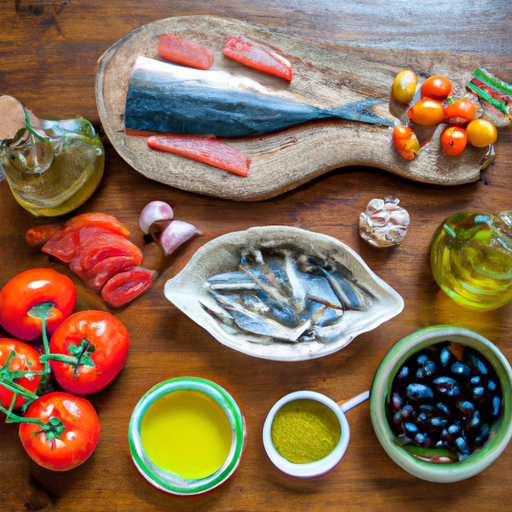
The Mediterranean Diet is a way of eating that’s based on the dietary habits of people living in countries that border the Mediterranean Sea. It’s not a diet plan per se but rather a general guide to healthy eating characterized by high consumption of fruits, vegetables, legumes, nuts, seeds, cereals, and olive oil.
Core Components of the Mediterranean Diet
The diet also includes moderate consumption of fish, poultry, eggs, and dairy products, and very limited intake of red meat and processed food. It encourages enjoying meals with others, enjoying life, and being physically active – in essence, it’s as much a lifestyle as it is a diet.
The Link Between the Mediterranean Diet and Inflammation
How the Mediterranean Diet can help with inflammation
The Mediterranean Diet offers a plethora of benefits for those suffering from inflammation. Thanks to its heavy emphasis on fruits, vegetables, whole grains, legumes, olive oil, and fish – all of which are high in natural antioxidants and polyphenols – this diet has potent anti-inflammatory effects.
Scientific studies on the Mediterranean Diet and inflammation
Several scientific studies have demonstrated that people sticking to the Mediterranean Diet have lower levels of the inflammatory markers responsible for many chronic diseases. Furthermore, the Mediterranean diet has shown to be an effective strategy for managing weight and reducing inflammation, making it an excellent choice for your health.
How Long The Diet Takes to Reduce Inflammation
Varied Individual Responses to the Mediterranean Diet
Truth be told, the response time to the Mediterranean diet varies from one person to another based on their individual metabolic responses, adherence to the diet, and degree of inflammation.
Average Time for Seeing Inflammation Reduction results
Nonetheless, most people start to experience noticeable improvements in their inflammation levels within a few weeks of consistently following the Mediterranean diet. Importantly, this is not a quick fix but rather a shift in lifestyle, so the key is to stick to it to continually reap the benefits.
The Role of Extra Virgin Olive Oil in Reducing Inflammation
The anti-inflammatory properties of Extra Virgin Olive Oil
Extra virgin olive oil, a mainstay in the Mediterranean diet, is packed with antioxidants known for their powerful anti-inflammatory properties. It contains a compound called ‘oleocanthal’ that works in the same way as ibuprofen in reducing inflammation.
How to incorporate Extra Virgin Olive Oil in the diet
Aim to replace unhealthy fats in your diet with extra virgin olive oil by using it in your cooking, drizzling it over salads and vegetables, or dipping your whole grain bread in it.
The Importance of Nuts and Seeds in Reducing inflammation
Health benefits of nuts and seeds in the Mediterranean Diet
Nuts and seeds, another key component of the Mediterranean diet, are rich in fiber, protein, healthy fats, and several antioxidants and anti-inflammatory compounds. Regular consumption of these tiny powerhouses has been linked to reduced inflammation and lower risk of heart disease.
Recommended amount of nuts and seeds in your diet
A handful of nuts and seeds as a part of your daily diet can bring significant health benefits.
The Power of Fruits and Vegetables in fighting inflammation
Why Fruits and Vegetables are important in the Mediterranean Diet
Fruits and vegetables are fundamental in the Mediterranean diet, providing abundant vitamins, minerals, fiber, and antioxidants which keep inflammation in check.
Benefits of Consuming a High Quantity of Fruits and Vegetables
Regularly consuming a variety of colorful fruits and vegetables can help to keep your inflammation levels low, boost your immune system, and ultimately lead to better overall health.
Lifestyle and exercise to accompany Mediterranean Diet
Active movement as a part of the Mediterranean lifestyle
Alongside a healthy diet, the Mediterranean lifestyle also includes regular physical activity. Exercise on its own is a powerful inflammation buster.
Benefits of regular physical activity on inflammation
Incorporating daily physical activities like walking, running, swimming, or playing can further help reduce inflammation and boost your mood and energy levels.
Sharing Quality Food with Family on the Mediterranean Diet
The role food plays in family bonding
There’s more to the Mediterranean Diet than just food. As a father, I appreciate the emphasis it places on enjoying food with others, especially family. Sharing high-quality food with family strengthens bonds and creates lasting memories.
The psychological benefits of family meals
Research shows that family meals have a positive influence on children’s food choices, diet quality, and overall mental health.
Conclusion: The Long-term Benefits of the Mediterranean Diet
Comparing the longevity of those on the Mediterranean diet to others
Many studies have shown that people living in the Mediterranean regions, who follow this diet closely, tend to live longer and healthier lives compared to populations in other regions.
Why it’s worth the lifestyle change for long-term health
Remember, the Mediterranean diet is not just a diet, but a lifestyle change that brings a host of benefits – anti-inflammatory, heart-healthy, weight-managing, and longevity-boosting. So, ideally, it’s not about how quickly the Mediterranean Diet can reduce inflammation, but how its long-term adoption can lead to a healthier, more active, and fulfilling life.
Leave a Reply