In this friendly discussion, you’ll discover the average daily calorie count on the Mediterranean diet. You’ll gain insights on how this diet, known for its heart-healthy benefits, can also contribute to maintaining an active lifestyle for the long term. The importance of sharing high-quality food with family while fostering healthy eating habits and promoting exercise will be emphasized. Ready to learn more about this incredibly balanced and family-oriented diet? Let’s get started!
Understanding the Mediterranean Diet
Defining the Mediterranean Diet
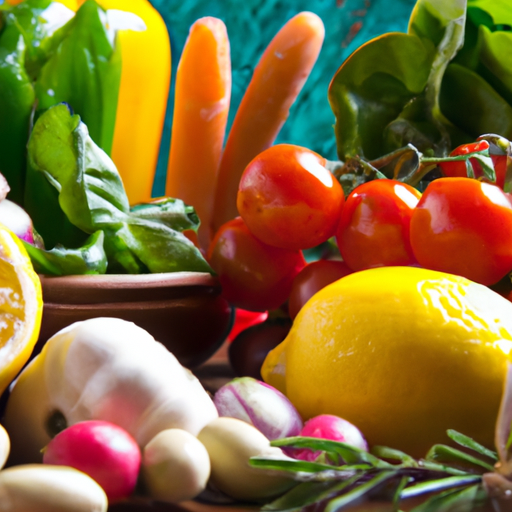
The Mediterranean diet, as you might already know, is inspired by the eating habits of people in Italy, Greece, and Spain. It emphasizes whole foods, vegetables, lean proteins, whole grains, and healthy fats. This is more than just a diet, it is a lifestyle, which nourishes both your body and mind.
Key Components of the Mediterranean Diet
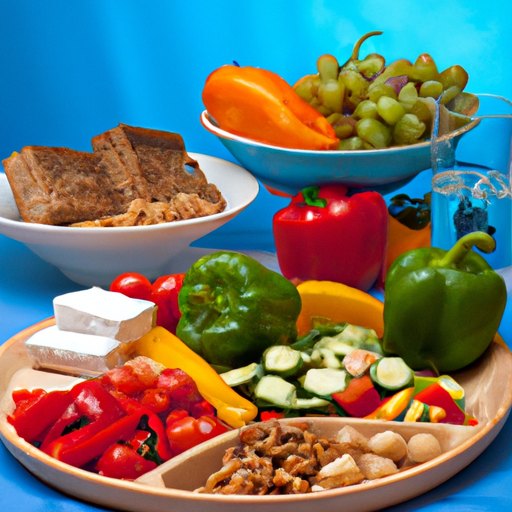
The Mediterranean Diet consists primarily of fruits, vegetables, whole grains, legumes, seeds, nuts, fish, olive oil, and moderate amounts of red wine. It’s more than a diet, it’s about enjoying meals with family and friends, being physically active, and having a balanced lifestyle.
Health Benefits of the Mediterranean Diet
Research has shown the Mediterranean Diet is associated with a reduced risk of heart disease, certain types of cancer, and diabetes. It promotes healthy weight loss, good gut health, and longevity. Your skin might even look better, thanks to the antioxidants from foods like olives and tomatoes.
Caloric Intake on the Mediterranean Diet
Factors Influencing Daily Caloric Needs
Several factors determine your caloric needs, including age, sex, size, and activity level. We need energy from calories to carry out our day-to-day activities and maintain vital functions.
Average Calorie Count in the Mediterranean Diet
The Mediterranean Diet doesn’t strictly prescribe a certain number of calories. Its focus is more on the types of food you eat. However, keeping your caloric intake within a healthy range according to your needs is recommended.
Balancing Macronutrients in the Mediterranean Diet
This diet encourages a balance in macronutrients: carbs from fruits, vegetables, and whole grains, protein primarily from fish and legumes, and fats from olive oil and nuts.
Importance of Portion Control
Understanding Portion Sizes
While it’s important to focus on the quality of your food, quantity matters too. Even healthy foods can contribute to weight gain if you eat too much of them. Understanding portion sizes is a good step towards mindful eating.
Practicing Mindful Eating
Mindful eating means being aware of the food you’re eating and paying attention to your body’s hunger and fullness cues. Eating slowly and savoring your meals can help you enjoy your food more and prevent overeating.
Tips for Portion Control on the Mediterranean Diet
You can manage your portion sizes by using smaller plates, avoiding seconds, being aware of serving sizes, and listening to your body’s signals.
Incorporating Regular Exercise
Physical Activity in the Mediterranean Lifestyle
Physical activity is a core component of the Mediterranean lifestyle, just as much as a balanced diet. Exercise helps in burning calories, maintaining a healthy weight, and promoting overall health.
How Exercise Influences Caloric Needs
The more active you are, the more calories you burn, and the more you may need to eat. So, remember to adjust your diet according to your activity level.
Recommended Exercises
Apart from regular cardio activities like brisk walking or running, you might want to try Mediterranean-style activities like farming, gardening or dancing.
Healthy Eating Habits
Benefits of Regular Meal Times
Eating meals and snacks at set times each day can help maintain your energy levels, curb hunger, and prevent overeating.
Importance of Hydration in the Mediterranean Diet
Drinking plenty of water and maintaining proper hydration status is just as crucial on the Mediterranean Diet.
Avoiding Processed Foods and Sugars
Another good habit is to stay away from foods with added sugars, trans fats, and other unhealthy ingredients. Emphasize on natural, wholesome foods.
Tips for Family Meal Preparations
Making Meals a Family Activity
Involving your family in meal preparation means more than just getting help in the kitchen. It’s a fun, bonding activity that promotes healthy eating habits and a love for good food.
Introducing Kids to the Mediterranean Diet
When introducing kids to the Mediterranean diet, be patient and creative. Show them how healthy food can be delicious and fun.
Family-friendly Mediterranean Recipes
Numerous Mediterranean recipes are family friendly. Discover simple, delicious dishes like Greek salad, chicken souvlaki, or roasted vegetable pasta for your family to enjoy.
Emphasizing Quality over Quantity
Choosing Whole Foods Over Processed Foods
Make sure your pantry is stocked with whole foods and avoid processed, unhealthy choices.
The Role of Fresh Fruits and Vegetables
Fruits and vegetables are given importance in Mediterranean diet. Include a variety in your diet to get a broad spectrum of nutrients.
Prioritizing High-Quality Proteins and Fats
Opt for high quality, lean proteins from fish, poultry, legumes and eggs. Healthy fats come from olive oil, nuts and avocados.
Success Stories and Case Studies
Personal Experiences with the Mediterranean Diet
There are numerous success stories out there. Real people who have seen real improvements in their health and wellbeing by adopting this lifestyle.
Impact of the Mediterranean Diet on Long Term Health
Studies show that people on the Mediterranean Diet have lower rates of heart disease, diabetes, and certain types of cancer. They also tend to live longer.
Families Thriving on the Mediterranean Diet
Many families have found this diet to be a sustainable and enjoyable way of life. The meals are delicious, healthy and provide a sense of bonding over food.
Common Myths about the Mediterranean Diet
Debunking the Myth of High Fat Content
While the Mediterranean diet is high in fats, they are the heart-healthy kind from fish, olive oil, and nuts.
Addressing Concerns over Caloric Intake
The Mediterranean diet focuses on healthy foods, not calories. However, like any diet, it’s important not to overeat.
Clarifying Misconceptions about Cost and Accessibility
It can be affordable and is not limited to certain geographical regions. It’s about finding local, seasonal foods and making the best out of what’s available to you.
Conclusion on Caloric Intake and the Mediterranean Diet
Summarizing the Main Points
Everyone’s caloric needs are different. Stay active, balance your macronutrients, control your portions and hydrate.
Reiterating the Benefits of the Mediterranean Diet
Enjoy your meals, stay healthy, and have fun preparing them with your family. The Mediterranean diet isn’t just about food, it’s about a healthy and fulfilling lifestyle.
Encouraging Continued exploration of the Mediterranean Diet
Keep exploring new recipes, new foods, and new exercises. Stick to the central principles of the diet and add variety to keep it fresh and enjoyable for you and your family.
Leave a Reply