So, you’re curious about the Mediterranean diet, huh? In particular, you’re wondering, “How many fruits a day should you be eating on a Mediterranean diet?” It’s a really good question to be asking, considering the emphasis this popular diet places on fresh, wholesome foods. You’ll certainly be enjoying plenty of succulent, juicy fruits in this diet!
We can’t wait for you to dive into this article and get all the juicy details on how many fruits you should be consuming daily. There’s a ton of enlightening information waiting for you. Did you know that fruits aren’t just delicious but they are packed with essential vitamins and minerals too? Plus, they are super important in the Mediterranean diet. So, ready to discover more about the sweet, tangy, and sometimes tart world of fruits in the Mediterranean diet? Your journey to abundant health and wellness begins here, pal! Trust us, you’ll certainly learn a lot.
Understanding the Mediterranean Diet
The Mediterranean Diet stands as a testament to the rich culture and history of the Mediterranean region. But it’s not just about the delightful combination of flavors – there’s so much more than meets the eye.
Characteristics of the Mediterranean Diet
This diet emphasizes eating primarily plant-based foods, such as fruits and vegetables, whole grains, legumes, and nuts. It even replaces butter with healthier alternatives, like olive oil, and uses herbs and spices to add flavor, removing the need for a large amount of salt.
Cultural Influence of the Mediterranean Diet
The Mediterranean diet has deep roots in the food traditions of countries like Greece, Italy, and Spain. It’s predominantly plant-focused and is lauded globally for its delicious array of meals, recipes, flavors, and health benefits.
Why the Mediterranean Diet is Considered Healthy
This diet promotes heart health, aids with weight management and is associated with lowered risk of chronic diseases. Its star features are fruits, vegetables, whole grains, pulses, and lean proteins, each of which play a crucial role in maintaining our overall health.
The Role of Fruits in the Mediterranean Diet
Fruits are the gemstones of the Mediterranean diet as they’re a fantastic source of essential nutrients and antioxidants.
Nutritional Value of Fruits
Fruits are packed with vitamins, minerals, antioxidants and fiber. These attributes are known to aid in maintaining optimal health.
Fruits Commonly Found in the Mediterranean Diet
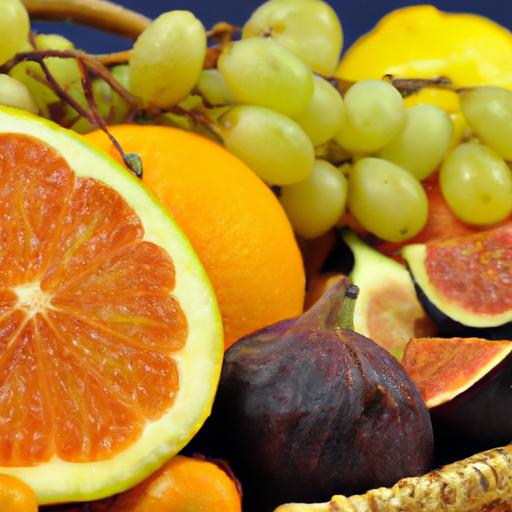
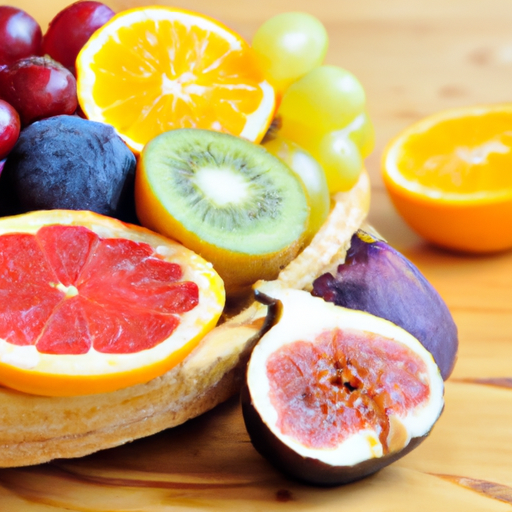
The Mediterranean diet features a bounty of fruits, including apples, oranges, grapes, and strawberries along with lesser-known fruits like figs and pomegranates.
How Fruits Contribute to Overall Health of the Body
Apart from being a great source of dietary fiber, fruits aid in digestion and help in maintaining a healthy weight. They play a vital role in preventing a host of diseases, including heart disease, high blood pressure, and certain types of cancer.
Balancing Fruit Intake in the Mediterranean Diet
Choosing a variety of fruits helps ensure you receive a broad spectrum of nutrients. Avoiding an excess of any one thing is a good rule of thumb.
Determining Your Daily Fruit Serving
The exact number depends on individual health needs, but a general recommendation would be to aim for at least 1.5-2 cups of fruit per day.
Benefits of Diverse Fruit Intake
Eating a wide variety of fruits ensures maximum nutrient intake and can decrease the risk of developing various health conditions.
Avoiding Excessive Fruit Intake
While fruits are a healthier choice, consuming them in excess may lead to weight gain due to their sugar content.
Incorporating Fruits into Daily Meals
Fruits are incredibly versatile and can be added to almost any meal.
Creating Fruit-Based Breakfasts
Start your day with a Mediterranean-style breakfast like Greek yogurt topped with honey and a variety of fruits.
Adding Fruits to Your Lunch
Add some grapes to your chicken salad, or enjoy a fruity dessert like a fresh fruit salad.
Including Fruits in Dinner and Desserts
Try mixing figs with your roast chicken or enjoy a fruit-based dessert like poached pears.
Perfect Fruit Pairings in Mediterranean Recipes
Let’s talk about pairing fruits with other food items.
Pairing Fruits with Proteins
Try grilled chicken with peach salsa, or shrimp kebabs with pineapple!
Matching Fruits with Carbohydrates
Add some raisins to your rice, or have some roasted vegetables and figs with your pasta.
Fruit Pairings with Wine and Other Beverages
Certain fruits can enhance the flavor of beverages. Think of sangria with loads of berries and peaches!
Fruit and Family Mealtimes
Introducing and incorporating fruits into your family’s everyday meals can be a fun and healthy activity.
Engaging Kids in Healthy Eating with Fruits
There’s no better time to instill healthy habits in your children. Fruit kabobs or a colorful fruit salad are kid-friendly options that ensure your children are getting essential nutrients.
Making Mealtime Fun with Fruits
Involve kids in assembling a fruit salad or topping their yogurt with their favorite fruits. This not only has nutritional benefits, but also creates wonderful family memories.
Fruit-Based Family Cooking Activities
Making homemade fruit popsicles, fruit yogurt parfaits, or baked apples can be a fun-filled family activity that also promotes healthy eating.
Seasonal Fruit Selections in Mediterranean Cuisine
The Mediterranean diet encourages enjoying fruits in season. This ensures the freshest flavors while also supporting local farmers.
Fruits to Enjoy in Summer
Watermelon, berries, apricots, and peaches are typical summer fruits in the Mediterranean region.
Autumn and Winter Fruit Choices
Autumn offers pomegranates, grapes, and figs, while winter brings citrus fruits to the forefront.
Fruits in Spring in the Mediterranean
Springtime sees the arrival of strawberries, cherries and apricots.
Mediterranean Diet for a Healthy Family
The benefits of the Mediterranean diet can be enjoyed by the entire family.
Boosting Kids’ Health with the Mediterranean Diet
Providing a variety of fruits to your children not only diversifies their diet but also introduces them to natural sweetness.
Encouraging a Family-Wide Healthy Eating Pattern
Transparent conversations about the importance of healthy eating, as well as involving the entire family in meal preparation, can help cultivate healthy eating patterns.
Significance of the Mediterranean Diet for Long-Term Health
This diet isn’t merely about quick, short-term gains in health. It’s a lifestyle choice that has long-term implications for managing weight, preventing chronic diseases, and promoting longevity.
The Influence of the Mediterranean Diet on Long-Term Health
The Mediterranean diet not only nourishes the body but also enriches the soul.
Combatting Chronic Diseases
Studies have linked the Mediterranean diet with reduced risks of heart disease, certain cancers, diabetes, Parkinson’s and Alzheimer’s diseases.
Promoting Longer Lifespan
Following the Mediterranean diet helps to prolong life expectancy by protecting against heart disease and cancer.
Beneficial for Mental Health
Research suggests that people who follow a Mediterranean diet are less likely to experience depression because the nutrients obtained help maintain neurotransmitter levels.
Conclusion
Revitalizing Lifestyle Through Mediterranean Diet
Adopting a Mediterranean lifestyle means embracing a pattern of healthy eating that includes a daily abundance of fruits and other nutrient-dense foods, and maintaining an active life.
Embrace a Fruitful Living with the Mediterranean Diet
This is not just a diet—it’s a way of life. The Mediterranean diet offers an array of health benefits, delicious flavors, and the opportunity to savor the joy of eating real food with your loved ones.
So, for better health and increased longevity, indulge in the Mediterranean diet and relish the fruits it offers in abundance. With its balance of fresh produce, lean proteins, and healthy fats, you will not only enjoy the rich flavor and diversity of this diet, but you will also be taking a crucial step towards living a healthier, and potentially longer, life.
Leave a Reply