In this article, we’re going to explore the ins and outs of weight loss on the Mediterranean Diet. We’ll provide you with well-researched and accurate data, so that you understand how this diet can benefit not only your weight, but your long-term health too. As we progress, we’ll also emphasize on healthy eating habits, introducing physical activity, and most importantly, the joy of sharing quality food with family and loved ones. By the end, you’ll have a clear picture of how many pounds you can possibly lose each week.

Understanding the Mediterranean Diet
Concept and Origin
Originating from the dietary traditions of countries surrounding the Mediterranean Sea like Italy, Spain, and Greece, the Mediterranean diet is widely recognized as one of the healthiest and most balanced diets in the world. Rooted in a lifestyle rich in cultural heritage, the diet emphasizes the consumption of fresh fruits, vegetables, whole grains, legumes, and olive oil while limiting intake of red meat and using herbs and spices instead of salt to flavor meals.
Major Food Components
Key components of the Mediterranean diet include a high intake of foods like whole grains, fruits, vegetables, legumes, olive oil, and nuts. Fish and poultry are preferred over red meat. Moderate consumption of dairy products and wine, mainly red, is also characteristic of this diet.
Typical Mediterranean Meal Plan
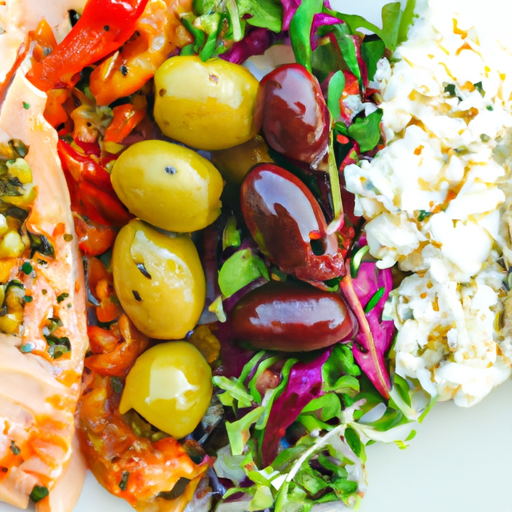
A meal plan following the Mediterranean diet typically includes breakfast with whole grains, fruits and fresh juice. Lunch could be a delicious salad mix of greens, fresh or roasted vegetables with some cheese or a slice of fish. Your dinner might highlight legumes, like lentils or chickpeas with chicken and a side of whole grain bread. These nicely balanced meals are typically complemented by fruit-laden desserts or a glass of red wine.
Health Benefits of the Mediterranean Diet
Heart Health and Lowering Cholesterol
According to numerous scientific studies, the Mediterranean diet is linked to better heart health and lower cholesterol levels. By limiting the intake of saturated fats and sugars, this diet helps manage cholesterol levels, thereby reducing the risk of heart disease.
Prevention of Chronic Diseases
Studies also suggest that the Mediterranean diet can prevent numerous chronic diseases like diabetes, certain cancers, and Alzheimer’s. The high fiber content and healthy fats inherent in this diet potentially contribute to decreased risk of these conditions.
Weight Loss and Managing Obesity
While the primary objective of adopting a Mediterranean diet isn’t specifically weight loss, it’s a nice bonus. High in fiber and healthy fats, it provides a feeling of fullness with fewer calories, contributing to weight management and the prevention of obesity.
Mediterranean Diet and Weight Loss
Role of High Fiber Content
The high fiber intake from fruits, vegetables, and whole grains in the Mediterranean diet slows down digestion, keeping you feeling full longer and reducing the chances of overeating, a key ingredient in weight loss.
Low in Processed Foods and Sugars
A principle of this diet is limiting the intake of processed foods and sugars — common contributors to weight gain. By focusing on natural, nutrient-dense foods, it helps maintain a balanced calorie intake promoting healthier weight loss.
Impact on Metabolism
The balance of nutrients in the Mediterranean diet can variously boost your metabolism. Higher metabolic rates burn more calories, hence contributing to weight loss.
Average Weight Loss Per Week with Mediterranean Diet
Understanding Calorie Deficit
Weight loss primarily depends on maintaining a calorie deficit, i.e., burning more calories than you consume. This diet, being naturally lower in calories, aids in creating this essential deficit.
Influence of Portion Control
While eating healthy is important, so is portion control. A moderate and balanced serving of even the healthiest foods can help you stay in calorie control and consequently lose weight.
Impact of Individual Metabolic Rate
Everyone’s metabolism operates differently, impacting the rate at which they burn calories and lose weight. The average weight loss per week will therefore depend on the individual’s metabolic rate, alongside the factors previously described.
Factors Impacting Weight Loss on Mediterranean Diet
Exercise and Physical Activity
Though the Mediterranean diet plays a big role, incorporating regular physical activity can expedite weight loss by burning extra calories.
Age and Gender
Your age and gender also impact your metabolism and hence your weight loss rate. Men usually have faster metabolisms than women and young people are generally quicker to burn calories than older adults.
Initial Body Weight and BMI
People with higher body weight or body mass index (BMI) can experience a more significant initial weight loss, which may gradually reduce as they get closer to their weight loss goal.
Success Stories: Losing Weight with Mediterranean Diet
Personal Experiences and Testimonials
Various glowing testimonials celebrate the weight loss benefits of the Mediterranean diet. Beyond weight loss, they also highlight the joys of eating wholesome, delicious meals and experiencing improved health.
Influence on Family Health and Lifestyle
Adopting the Mediterranean diet helps promote a healthier lifestyle for the entire family. It encourages mindful eating and frequent family meals, contributing to better health and camaraderie.
Maintaining Weight Loss with the Diet Long Term
Continued adherence to the Mediterranean diet can help maintain weight loss over the long term due to its emphasis on whole, filling foods and balanced meals.
Mediterranean Diet for Families
Kid-friendly Mediterranean Recipes
Despite its healthful properties, the Mediterranean diet does not lack in flavor. With a wide range of kid-friendly recipes, you can encourage healthier eating habits among children from a young age.
Promoting Family Meal Time Rituals
The diet promotes shared, leisurely meals – a chance to bond over delicious, nutritious food and to cultivate healthy eating habits that enhance both physical and emotional well-being.
Diet Adaptability and Flexibility
One of the greatest strengths of the Mediterranean diet is its flexibility. It accommodates various food preferences and dietary restrictions, making it an adaptable choice for the whole family.
Cost and Affordability of Mediterranean Diet
Comparative Analysis with Other Diets
When compared with other special diets, the Mediterranean diet tends to be more affordable while offering the same range of nutritional benefits.
Budget-friendly Mediterranean Shopping List
With a shopping list that includes simple, affordable items like seasonal fruits and vegetables, whole grains and legumes, the Mediterranean diet doesn’t have to break the bank.
Regional Availability and Seasonal Foods
This diet emphasizes consumption of locally available and seasonal foods, which are often more affordable and nutritious, further enhancing its cost-effectiveness.
Challenges and Misconceptions about Mediterranean Diet
Debunking the ‘It’s too High in Fat’ Myth
While it’s true that the Mediterranean diet has relatively high-fat content, the majority comes from healthy fats like olive oil and nuts which, contrary to common belief, can aid in weight loss rather than cause weight gain.
Addressing the ‘It’s too Expensive’ Perception
Some people may regard this diet as expensive due to the emphasis on fresh produce and seafood. However, focusing on local and seasonal produce, along with affordable lean proteins like poultry and legumes, can significantly mitigate costs.
Overcoming the ‘It’s too Restrictive’ Argument
The variety and flexibility of the Mediterranean diet contradict the notion that it’s restrictive. It offers a wide range of flavorful foods and recipes that can please any palate while promoting healthier living.
The Bottom Line: Achieving Sustainable Weight Loss with Mediterranean Diet
Balancing Flavors with Nutrition
The Mediterranean diet excels at marrying exceptional flavors with ample nutritional value. It positions itself as more of a lifestyle change than a temporary diet, offering a sustainable path to weight loss and overall well-being.
Adopting a Lifestyle, Not Just a Diet
Unlike many fad diets in the market, the Mediterranean diet encourages long-term commitment. It’s a lifestyle that emphasizes balance, variety, and the enjoyment of food in a social setting, making it an effective and enjoyable strategy for weight loss.
Spreading Awareness and Advocacy
While awareness of the Mediterranean diet is growing, continued advocacy is essential. Sharing the benefits of this wholesome lifestyle can spark changes in food choices, family eating habits, and perhaps even broader food policies.
So, how many pounds can you lose each week with a Mediterranean diet? There’s no one-size-fits-all answer to this. Each person’s weight loss journey is different, primarily depending on factors like age, gender, metabolic rate, and physical activity levels. Incorporating the Mediterranean lifestyle with dedication and mindful eating can surely help you achieve your weight loss goals. Remember, it’s not just about quick weight loss — it’s about embracing a healthier, happier, and more balanced life.
Leave a Reply