So, you’ve been hearing a lot about the Mediterranean diet these days, right? It’s no surprise considering its reputation for being wholesome and beneficial for your overall wellbeing. You might even be wondering, “How many pounds can I lose on the Mediterranean diet?” That’s a great question to ask and we are here to help answer it in a way that emphasizes the enjoyable, healthful journey rather than just the destination.
Dive right into the article with us and we promise you will have a lot more understanding on the topic. We understand your curiosity because let’s face it, your health journey is important and the more informed you are, the better you can make choices that fit your lifestyle. Remember, the Mediterranean diet is not just about weight loss, it’s also about enjoying high-quality foods with your loved ones. So, let’s turn the page and start exploring, shall we?
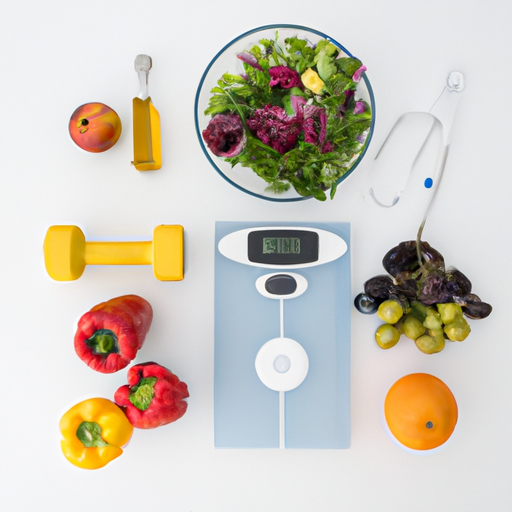
Understanding the Mediterranean Diet
Defining the Mediterranean Diet
If you’re here, chances are you’re looking to make an important lifestyle change. A shift in your dietary habits that influences not only how you approach food, but how you live your life. The Mediterranean diet is such a change. Inspired by the eating habits of people from countries bordering the Mediterranean Sea, such as Italy, Greece, and Spain, this diet is not just about the food, but about an attitude towards life that promotes health, longevity, and personal fulfillment.
Key Components of the Mediterranean Diet
The Mediterranean diet focuses on the consumption of fresh fruits, vegetables, whole grains, nuts, and legumes. It encourages the selection of lean proteins like fish and poultry over red meat, and draws heavily on olive oil as a source of healthy fats. Moderate consumption of red wine is also a component of this diet.
Mediterranean Diet and Weight Loss
Role of the Mediterranean Diet in Weight Loss
The question in your mind is likely, ‘how many pounds do you lose on the Mediterranean diet?’ To answer this, let’s first understand the role it plays in weight loss. The Mediterranean diet is abundant in nutrient-dense, high-fiber foods that keep you feeling full and satisfied, reducing the need for unhealthy snacking. Along with moderate exercise, it aids in slow and steady weight loss.
Studies Supporting Weight Loss through the Mediterranean Diet
Several studies have shown the effectiveness of the Mediterranean diet in weight loss and maintenance. A study published by the American Journal of Medicine, for instance, found that people following the Mediterranean diet lost an average of 9.7 lbs.
Creating a Mediterranean Diet Weight Loss Plan
Determining a Starting Point
It’s essential to understand where you are before setting off on your weight-loss journey. Evaluate your current eating and exercise habits, and identify areas where you can replace unhealthy choices with healthier ones.
Setting Realistic Weight Loss Goals
Losing weight is a journey, not a sprint. Setting realistic goals can help you stay motivated and on track. A healthy weight loss rate is typically 1-2 pounds per week.
Creating a Meal Plan
Having a well-structured meal plan is crucial. Incorporate a variety of Mediterranean foods, ensuring that each meal has a balance of macronutrients.

Food Choices
Emphasizing Fruits and Vegetables
Your diet should revolve around fresh fruits and vegetables which are packed with essential nutrients and fiber, aiding in digestion and weight loss.
Incorporating Whole Grains
Whole grains are another cornerstone of the Mediterranean diet. Rich in fiber, they help control blood sugar levels and keep you feeling full longer.
Including Healthy Fats in Your Diet
Contrary to popular belief, not all fats are bad for you. Healthy fats found in olive oil, nuts, and fish are crucial for weight loss and overall health.
Choosing Lean Proteins
Lean proteins like fish, chicken, and legumes can help build and maintain muscle tissue, which aids in burning calories and weight loss.
Physical Activity in the Mediterranean Lifestyle
Importance of Physical Activity
Physical activity is as important as dietary changes in weight loss. It helps burn calories, build muscle, and boost your metabolism.
Recommended Physical Activities
Simple activities like walking, swimming, biking, or playing a sport can go a long way in complementing your diet.
Mediterranean Diet and Other Health Benefits
Impact on Heart Health
The Mediterranean diet’s focus on healthy fats and whole foods has been linked with reduced risks of heart disease.
Influence on Brain Health
Foods like nuts and fish, which are rich in omega-3 fatty acids, have been found to boost brain health, potentially reducing the risk of Alzheimer’s disease.
Reduction in Risk for Certain Cancers
This diet’s emphasis on fruits, vegetables, and whole grains may also reduce the risk of certain types of cancers.
Potential Diabetes Prevention and Control
The Mediterranean diet could also help prevent or control diabetes thanks to its focus on whole grains, fruits, and vegetables, and its discouragement of processed foods.
JD’s Personal Experience with the Mediterranean Diet
JD’s weight loss journey
I, JD, was in your shoes, looking for a sustainable way to lose weight and be an active participant in my family’s life. The Mediterranean diet not only aided my weight loss, but also improved health indicators like blood sugar and cholesterol levels.
Importance of Family Learnings and Experience
Being able to share high-quality meals with my family and teaching my children about healthy eating has been invaluable. The Mediterranean lifestyle’s emphasis on community and family meals helped to bring us together.
Mediterranean Diet as a Sustainable Lifestyle change
Mediterranean Diet vs. Fad Diets
Unlike countless fad diets promising rapid weight loss, the Mediterranean diet is a sustainable lifestyle change fostering overall health, well-being, and slow and steady weight loss.
Benefits of a Long-term Lifestyle Change
Long-term lifestyle changes not only aid in maintaining weight loss but can also lead to improved mental health, stronger relationships, and a better quality of life.
Getting Started on Your Mediterranean Diet Journey
Tips for Beginners
Start by making small changes. Swap out your refined-grain bread for a whole grain one; replace butter with olive oil. Remember, change is a process.
Incorporating diet into daily routine
Make your diet work for you. Plan meals around your schedule, and incorporate physical activity into your daily routine.
Getting Family Involved
Get your family involved in meal preparations and physical activities. This not only helps you, but makes the whole family healthier.
Conclusion
Restating the Importance of the Mediterranean Diet in Weight Loss
In conclusion, the Mediterranean diet goes beyond weight loss. It fosters an attitude that embraces healthy eating, physical activity, and quality time with loved ones.
Encourage readers to consider the Mediterranean Diet
You’re not just counting calories or eliminating food groups, but adopting a lifestyle that harmonizes with your well-being. So, consider starting your Mediterranean diet journey today, and experience the impactful difference it can make in your life.
Leave a Reply