Ever wondered just how often you can eat yogurt while on the Mediterranean diet? Well, we’re here to answer that burning question and give you the inside scoop. The answer might just surprise you and satiate your yogurt-loving taste buds.
Packed with a treasure trove of information, the upcoming article delves deep into the world of Mediterranean diet and yogurt consumption. Stay tuned to learn more about your beloved yogurt, its place in the Mediterranean diet and how it contributes to a nourishing and balanced lifestyle. Now, how’s that for a healthy dose of knowledge, right? All of this while emphasizing the importance of enjoying high quality food, just like how our dear JD enjoys with his family. Every mouthful matters, after all!
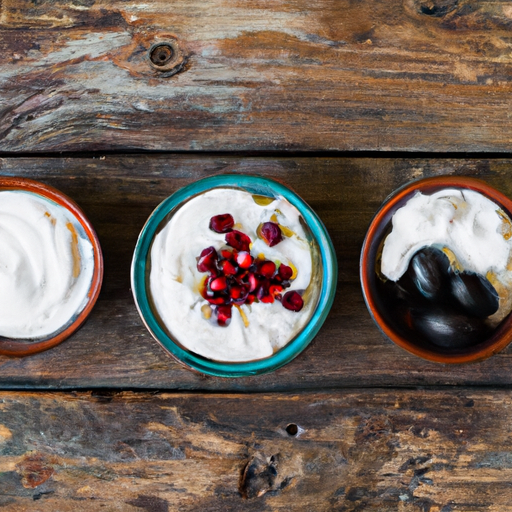
Understanding the Mediterranean Diet
Searching for a diet that offers various health benefits and is delectably satisfying at the same time? Look no further than the Mediterranean diet!
Mediterranean Diet Basics
The Mediterranean diet is a lifestyle approach to healthy eating based on the traditional cuisine of countries bordering the Mediterranean Sea. It’s more than just food choices, it’s about the way of life; emphasizing active, healthy eating and communal meals.
Key Components of Mediterranean Diet
The Mediterranean diet is abundant in fruits, vegetables, whole grains, legumes and olive oil. Fish, poultry, dairy products like yogurt, and wine are consumed in moderate to low amounts while red meat is limited. This diet emphasizes diversity, taste, and texture, making it a delight for your taste buds.
Role of Yogurt in the Mediterranean Diet
Yogurt has an essential position in the Mediterranean diet since it’s consumed almost daily.
Nutritional Value of Yogurt
Yogurt is a significant source of protein, calcium, magnesium, and vitamin B12. It also contains probiotics which encourages a healthy gut.
Types of Yogurt Consumed in Mediterranean Countries
Greece’s thicker, creamier yogurt gets the most recognition. But other countries like Turkey and Lebanon also consume yogurt regularly in many forms including yogurt drinks and yogurt-based sauces.
Health Benefits Of Consuming Yogurt
Besides being delicious, yogurt offers numerous health benefits.
Yogurt and Gut Health
Yogurt contains beneficial bacteria known as probiotics. These live microorganisms can improve digestion and strengthen your immune system.
Yogurt for Weight Management
Yogurt gives a feeling of fullness that can help to control your appetite and overall calorie intake.
Yogurt for Bone Health
Rich in calcium and vitamin D, yogurt contributes to bone health and staves off conditions like osteoporosis.
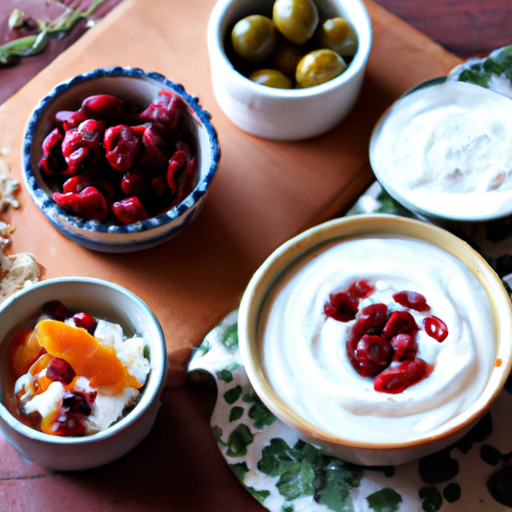
Importance of Moderation in Mediterranean Diet
Even when consuming healthy foods like yogurt, moderation is key.
Eating Yogurt in Moderation
While yogurt offers many health benefits, it’s important to stick to moderation. Consuming it in excess might lead to too much sugar and calorie intake, depending on the type of yogurt.
Understanding Portion Sizes for Yogurt
One serving of yogurt is typically 6 to 8 ounces. Aim for 1-3 servings per day as part of a balanced diet.
Incorporating Yogurt into Your Mediterranean Diet
There are many ways to include yogurt in your daily diet.
Making Yogurt a Part of Your Breakfast
Top whole grain cereal or whole grain toast with yogurt and fresh fruits.
Healthy Snacking with Yogurt
Swap out unhealthy snacks for yogurt. Add a spoonful of honey, nuts, or fresh fruits for added flavor and nutrients.
Cooking with Yogurt: Mediterranean Recipes
From creamy sauces to refreshing drinks, yogurt can be used in a variety of Mediterranean recipes.
Case Study: Yogurt Consumption Among Mediterranean Populations
Yogurt is a dietary staple in many Mediterranean regions.
Greek Yogurt Eating Habits
In Greece, it’s traditional to consume yogurt for breakfast and as a snack. It’s either eaten plain or flavored with fruit or honey.
Yogurt Consumption in Other Mediterranean Regions
In regions like Turkey, yogurt is used as an ingredient in many dishes, drinks, and sauces.
Tips for Choosing the Right Yogurt
Choosing a healthy yogurt at your local grocery can be a daunting task.
Choosing Plain Yogurt Over Flavored
Plain yogurt is ideal as flavored versions can contain high levels of sugar.
Understanding Food Labels when Buying Yogurt
Check nutrition labels for ingredients. Look for yogurts that contain live or active cultures.
The Role of Yogurt in Family Nutrition
Adding yogurt to your family’s diet can be beneficial and enjoyable.
Yogurt: A Kid-Friendly Food
With its smooth texture and mild flavor, yogurt is often a favorite among children.
Sharing High-Quality Food with Family
Eating meals together as a family strengthens the bond between family members and encourages healthy eating habits.
Yogurt Alternatives for Dairy-Free Diets
There are options available for those who are lactose intolerant or follow a vegan diet.
Plant-Based Yogurts
These yogurts use alternative milk sources such as almond, soy, or coconut milk.
Homemade Non-Dairy Yogurt
Making your own non-dairy yogurt at home allows you to control the ingredients.
Conclusion: Yogurt in the Mediterranean Diet
The Mediterranean diet offers flexibility and an array of delicious choices. Yogurt, when consumed in moderation, can provide various health benefits.
Balancing Your Diet with Yogurt
Adding yogurt to your diet can improve your nutrition without making you feel deprived.
The Importance of Variety in the Mediterranean Diet
Varied food choices ensure that you get a broad spectrum of nutrients. So, go ahead and dive into the Mediterranean diet, try that yogurt recipe you’ve been eyeing, your health and taste buds will thank you!
Leave a Reply