You’ve probably been wondering, “how often can I eat yogurt on the Mediterranean diet?” Well, you’re not alone. Many people following this nutrient-rich eating plan, known for its favorable impacts on longevity and wellbeing, find themselves pondering the same question. After all, who doesn’t love a good creamy and refreshing bowl of yogurt loaded with fruits and nuts!
In the following article, we’re going to unravel this for you. Get ready to dive into the tasteful world of Mediterranean diet and see where yogurt fits in this picture. You’ll learn more about how regularly you should be incorporating this dairy delight into your meals, plus get the scoop on why it’s such a brilliant addition to your diet. By understanding the balance and variety embodied in the Mediterranean lifestyle, you’ll be able to enjoy your favorites while still maintaining your health goals and sharing high-quality food with your family.
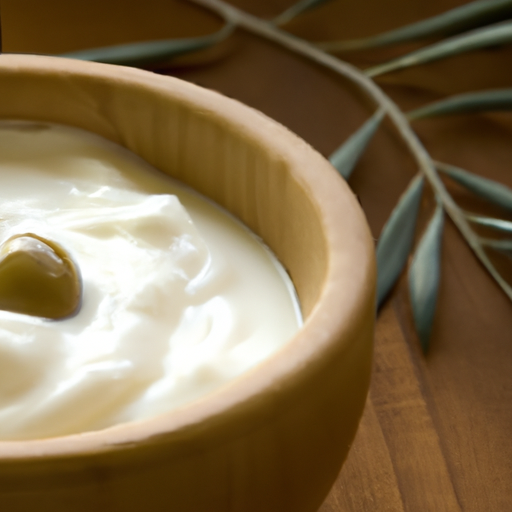
Understanding the Basics of the Mediterranean Diet
Brief Overview of the Mediterranean Diet
The Mediterranean diet is primarily plant-based, emphasizing fruits, vegetables, whole grains, legumes, and nuts. It includes the moderate use of poultry, eggs, cheese, and yogurt. Unlike most Western diets, red meat is rarely consumed. Instead, fatty fishes are a staple, providing omega-3 fatty acids. Olive oil replaces butter, and herbs and spices provide flavors rather than salt.
Core Principles of Mediterranean Eating
At the core of Mediterranean diet is long-lasting moderate eating, between meals you can enjoy fresh fruits, nuts or yogurt. Saturated fats, trans fats, and added sugars are minimized, replaced by natural, nutrient-rich foods. Regular exercise is also a core principle.
Benefits of the Mediterranean Diet
Research confirms that following a Mediterranean diet reduces risk of heart disease and brings other health benefits, such as reducing the risk of Alzheimer’s disease, diabetes, certain types of cancer, and obesity.
Role of Dairy in the Mediterranean Diet
How Dairy is approached in the Mediterranean Diet
Unlike other diets, dairy is selectively chosen in the Mediterranean diet. Yoghurt and cheese are common, while milk is usually consumed unsweetened or fermented.
Which Dairy Products are Encouraged
Those encouraged are typically lower in saturated fats. Choices include skim milk, low-fat yoghurt, and cheese.
Health Benefits of Dairy in the Mediterranean Diet
Dairy products provide essential nutrients such as calcium, potassium, vitamin D and protein. They’re also beneficial for bone health, immune function, and weight management.
Understanding Yogurt’s Place in the Mediterranean Diet
Importance of Yogurt in Mediterranean Cuisine
For millennia, yogurt has been vital in Mediterranean cuisine. Consumed plain, as a side, or used in dishes, it provides a creamy texture and tart flavor.
Health Benefits of Including Yogurt in Diet
Just a single cup provides beneficial bacteria, improves digestion, enhances immunity, and provides essential nutrients including vitamin B12, calcium, magnesium, and protein.
Types of Yogurt Preferred in the Mediterranean Diet
The most preferred is plain Greek yogurt, which is thicker and creamier than regular yogurt, with less sugar and higher protein content.
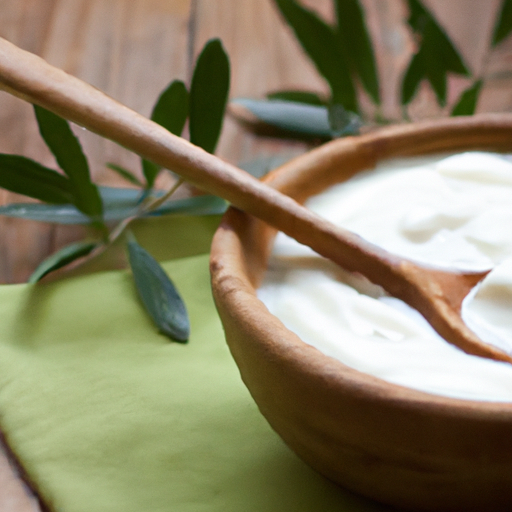
Frequency of Yogurt Consumption in the Mediterranean Diet
Recommended Frequency for Yogurt Consumption on Mediterranean Diet
On the Mediterranean diet, yogurt can be enjoyed as a snack, side or recipe ingredient daily.
Factors that Influence Yogurt Consumption
Factors include taste preference, dietary goals, health status, and availability of fresh yogurt.
Interpreting Yogurt Serving Sizes
A typical serving is one cup. If the yogurt is used in recipes, it’s usually in moderation to balance other recipe components.
Benefits of Consuming Yogurt Regularly
Importance of Probiotics in Yogurt
Probiotics beneficially affect your gut flora, improving its function and your overall digestive health.
Yogurt and Digestive Health
Regular consumption helps to maintain gut health, potentially reducing discomfort from conditions like irritable bowel syndrome.
Yogurt as a Source of Essential Nutrients
It contributes to your daily needs for key nutrients, enhancing overall nutrient intake and overall health.
Alternative Ways to Incorporate Yogurt in the Mediterranean Diet
Using Yogurt in Mediterranean Recipes
Yogurt can be used in various recipes, such as marinades, salads, and dips.
Converting ‘Unhealthy’ Dishes into Healthier Alternatives with Yogurt
Swap high-fat ingredients like mayonnaise and sour cream with yogurt in dishes to reduce calories and add nutrients.
Yogurt-based Drinks and Snacks on the Mediterranean Diet
Yogurt smoothies with fruit and herbs are refreshing; yogurt parfaits with fresh fruit and nuts make a wonderful snack or dessert.
Yogurt and Family Health
Role of Yogurt in Children’s Nutrition
Yogurt provides essential nutrients children need for growth and development. It’s also an excellent vehicle for introducing fruits and vegetables into your child’s diet.
Yogurt as a Staple for Family Meals and Snacks
Having yogurt as part of your family’s meals will foster a liking for it in the younger members, making it easy to instill good habits for healthy living.
Building Memories around Yogurt-Rich Recipes
Communicating the importance of healthful eating to children can create lifelong memories around the kitchen and dining table. Serving dishes prepared with yogurt can initiate warm family conversations about its benefits.
Common Misconceptions about Yogurt in Diet
Dealing with Yogurt Misinformation
There may be claims that all yogurt is the same. It’s crucial to identify those with added sugars, artificial flavors, and preservatives, which provide less nutritional benefit.
Common Mistakes When Including Yogurt in Diet
Avoid choosing flavored yogurt with added sugars. Stick to pure, Greek, or natural yogurt and add your own fresh fruits or nuts.
Choosing the Right Type of Yogurt
The right yogurt is high in protein, low in sugar, and contains live active cultures. Greek yogurt is a great choice as it fits all these characteristics.
Practical Tips for Including Yogurt in the Mediterranean Diet
Shopping for the Right Type of Yogurt
Select plain yogurt over flavored ones, read labels carefully, and opt for those with live active cultures.
Storing and Preserving Yogurt
Yogurt is best consumed fresh but can be stored in the refrigerator for 1-2 weeks. Once opened, it should be consumed within a week.
Avoiding Over-consumption of Yogurt
Despite its benefits, portion control is crucial. Stick to recommended serving sizes to keep calorie consumption in check.
Conclusion: Making Yogurt a Regular Part of your Mediterranean Diet
Recap of Yogurt in the Mediterranean Diet
Yogurt plays a key role in the Mediterranean diet, providing significant health benefits. It can be consumed daily and contributes to the overall satisfaction and variety of the Mediterranean diet.
Potential Challenges and Ways to Overcome Them
Although the taste of plain yogurt may take some getting used to, integrating it in recipes or adding fresh fruits or nuts can make it enjoyable.
The Role of Yogurt in sustainable, Healthy Eating Habits
By incorporating yogurt into your diet, you’re supporting healthy eating patterns, promoting a balanced gut, nourishing your body, and working towards superior health.
So, as for the question, “How Often Can You Eat Yogurt On The Mediterranean Diet?” The answer: every day if you’d like. Enjoy the creamy goodness for better health.
Leave a Reply