Welcome to this enlightening discussion on whether cheese is part of the Mediterranean diet or not. Through this read, you’ll gain accurate insights into the role and types of cheese that align with this specific diet, all while highlighting the perks of the health-focused Mediterranean lifestyle. So, get ready to explore an enjoyable facet of family-focused, high-quality nutrition!

Understanding the Mediterranean Diet
The Mediterranean diet is a way of eating that is inspired by the traditional diets of the countries bordering the Mediterranean Sea. This diet emphasizes the consumption of fruits, vegetables, whole grains, legumes, and olive oil. It also includes moderate amounts of fish, poultry, and red wine, as well as low to moderate amounts of dairy products.
Core components of the Mediterranean Diet
The primary contributors to the Mediterranean plate are plant-based foods like fruits, vegetables, whole grains, legumes, and nuts. Olive oil is also a crucial element and acts as the main source of added fat in the diet.
Benefits of the Mediterranean Diet
The Mediterranean Diet has been recognized for its multiple health benefits. These include promoting heart health, aiding weight loss, managing diabetes, and potentially preventing dementia. In particular, key components of the diet, like antioxidants from fruits and vegetables, promote cellular health and fight against oxidative stress and inflammation.
Role of Dairy in the Mediterranean Diet
Importance of Dairy
While the Mediterranean Diet is low in dairy compared to other diets, it’s still a part of the meal plan. Dairy is an excellent source of protein, vitamins, and minerals, especially calcium and vitamins A & D.
Preferred types of dairy on the Mediterranean Diet
The Mediterranean Diet favours fermented dairy products, such as cheese and yogurt, over milk. These products are considered more digestible and beneficial due to the probiotics they contain.
Inclusion of Cheese in the Mediterranean Diet
Types of cheese suitable for the Mediterranean Diet
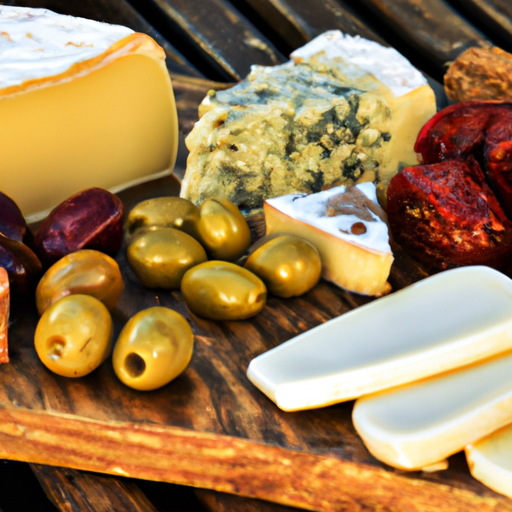
In the Mediterranean diet, cheeses like feta, ricotta, mozzarella, and parmigiano-reggiano are preferred. These cheeses are traditionally produced and contain a host of beneficial nutrients.
Rationale behind cheese as a permissible food item
Cheese is allowed in the Mediterranean Diet due to its nutritional benefits. It’s a good source of calcium, protein, and vitamin B12, among other nutrients.
Health Benefits of Cheese in a Mediterranean Diet
Contribution of cheese to nutritional value
Consuming cheese can increase your intake of essential nutrients. It’s rich in calcium, phosphorus, and vitamins A and B12.
Health advantages associated with cheese consumption
Studies suggest that fermented dairy foods, such as cheese, may support heart health, digestion, and inflammation reduction.
Understanding Portion Sizes and Consumption Frequency
Importance of portion control in the Mediterranean Diet
Like all food, moderation and portion control are essential when consuming cheese. Consuming it in excess can lead to increased calorie and saturated fat intake.
Recommended frequency of cheese consumption
Cheese can be consumed daily on the Mediterranean Diet, but in moderate quantities.
Cheese Alternatives in the Mediterranean Diet
Non-dairy alternatives for those with lactose intolerance or allergies
For those with allergies or lactose intolerance, dairy-free alternatives like tofu or plant milk can provide a similar taste profile and some nutritional value.
Choosing the right non-dairy cheese substitute
When choosing a substitute, consider nutritional facts, texture, melting quality, and taste.
Incorporating Cheese in the Mediterranean Diet Recipes
Creating balanced meals with cheese
Cheese should be used as a flavorful garnish in salads or as a critical ingredient in dishes like moussaka or stuffed vegetables.
Healthy and tasty Mediterranean recipes using cheese
Some recipes to explore include Greek salad with feta, spinach and ricotta pie, and eggplant parmesan.
The Impact of Cheese on Long Term Health
Influence of cheese consumption on heart health
Moderate intake of cheese may contribute to heart health due to its concentration of beneficial nutrients such as calcium and protein.
The role of cheese in maintaining bone health
Cheese is rich in calcium and vitamin D, which are essential for bone health.
Promoting Family Health with the Mediterranean Diet
Encouraging family participation in the Mediterranean Diet
The Mediterranean diet, with its emphasis on whole foods and family meal times, provides an excellent opportunity for children to learn about healthy eating habits.
Tips for making the Mediterranean Diet appealing to children
Making colorful salads, incorporating fruits into desserts, and allowing children to participate in food preparation can increase their interest.
Conclusion
How cheese augments the nutritional value of the Mediterranean Diet
As part of the Mediterranean diet, cheese not only adds flavor and richness to dishes but also provides essential nutrients, contributing to overall health.
The role of a balanced diet in a healthy and active lifestyle
An active lifestyle and a balanced diet lead to optimal health. The Mediterranean diet, complete with regular and mindfully measured cheese consumption, can be a sustainable way of living, promoting long-term health and wellbeing.
Leave a Reply