I see you’re asking yourself, “Is cottage cheese part of the Mediterranean diet?” An excellent question, it shows your dedication in getting to know the ins and outs of this wonderfully healthy lifestyle. You’re right on target, because understanding the components of what you’re eating is hugely important when embracing a new diet regime, like the Mediterranean diet.
In the following article, you’re going to discover more about cottage cheese in relation to the Mediterranean diet. It’s a chance to dive deeper into understanding the value this food item can add or subtract from your health in the context of the diet. Remember, the goal is not just to feed your body, but also to enjoy meals, treasure high-quality food, and share amazing culinary moments with your dear ones. Let’s embark on this learning journey together.
Understanding the Mediterranean Diet
Whether you’re a seasoned dietician or a cook looking for healthy meal options, understanding the Mediterranean diet is key to appreciating its immense benefits. This diet, which came out of the countries surrounding the Mediterranean Sea, is heralded for its low levels of processed food and emphasis on whole foods.
The Basic Principles
The Mediterranean diet at its core is not just about eating specific foods. Instead, it emphasizes certain food groups like whole grains, fruits, vegetables, fish, and olive oil, while limiting the intake of red meat and refined sugars. It’s about practicing mindful eating and emphasizing the quality of the food you consume.
Key Components of the Diet
The key elements of this diet are plenty of fruits and vegetables, legumes and nuts, healthy fats like olive oil, lean proteins like fish and chicken, moderate amounts of dairy, and limited amounts of red meat.
The Importance of Shared Meals
In the Mediterranean culture, meal times are about more than just nutrition. They’re seen as crucial bonding time between friends and family, an aspect that’s accentuated in the Mediterranean diet. As a food lover myself, this communal aspect of the diet appeals to me as a way to bring my family together.
The Role of Dairy in the Mediterranean Diet
Dairy products are a major part of this diet, albeit consumed in moderation. They work as crucial sources of calcium and protein, and are often consumed in the form of cheese or yogurt.
Commonly Consumed Dairy Products
Notable dairy products in the Mediterranean diet include Greek yogurt, feta cheese, and ricotta cheese. They’re often included in meals in small amounts, giving dishes a burst of flavor and a creamy texture.
Health Benefits Associated with Dairy Consumption
When consumed in moderation, dairy products have been linked to health benefits like improved bone health, lower risk of heart disease and type 2 diabetes, and weight management.
How Dairy Contributes to the Diet’s Overall Nutritional Goals
In the Mediterranean diet, dairy products provide vital nutrients like calcium, potassium, and vitamin D. They fit perfectly into the nutrient-rich whole food principle of the diet.
Analyzing Cottage Cheese
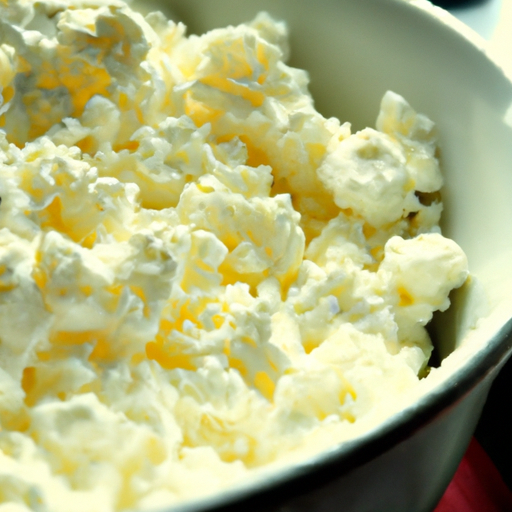
Cottage cheese, a mild-flavored, high-protein dairy product, though not traditionally a part of the Mediterranean diet, can still pack a punch when included. Here’s a closer look at it.
Nutritional Profile of Cottage Cheese
Cottage cheese is high in protein, low in fat, and rich in essential nutrients like calcium, phosphorus, selenium, and vitamin B12. It’s an excellent source of nutrition, especially for those aiming to increase their protein intake.
How Cottage Cheese is Made
Cottage cheese is made from the curds of cow’s milk. The pasteurized milk is fermented, causing it to curdle, and the liquid whey is then drained, leaving behind the curds.
Variations of Cottage Cheese across Cultures
While the basic method of making cottage cheese is similar across cultures, variations in the type of milk used or the addition of herbs and spices can drastically alter its taste and texture.

Comparing Cottage Cheese to Traditional Mediterranean Dairy Products
While cottage cheese doesn’t exactly align with traditional Mediterranean dairy products, it’s a worthy contender thanks to its nutritional profile, versatility, and unique texture.
Flavor and Texture Comparisons
Cottage cheese has a more neutral flavor compared to feta or Greek yogurt and has a distinct curdy, moist texture that sets it apart from other cheeses.
Versatility in Meal Preparation
Similar to other Mediterranean dairy products, cottage cheese can also be integrated into an array of dishes – be it as a spread, a filling, a topping, or even as a standalone item.
Nutrient Content Comparison
While Greek yogurt and feta cheese are more traditional in the Mediterranean diet, cottage cheese holds its own when it comes to protein content, and even surpasses them in calcium content.
The Pros of Including Cottage Cheese in a Mediterranean Diet
High Protein Content
Cottage cheese is a powerhouse of protein; a crucial nutrient for muscle development and recovery.
Rich in Essential Nutrients
It is also packed with essential nutrients that support bone health, metabolic functions, and overall well-being.
Contributes to a Sense of Fullness and Satisfaction
The high protein content of cottage cheese also aids in making you feel fuller for longer, staving off unnecessary snacking.
The Cons of Including Cottage Cheese in a Mediterranean Diet
Potential Lactose Intolerance Issues
Like any other dairy product, cottage cheese may not suit individuals with lactose intolerance.
High in Sodium
Cottage cheese can be high in sodium, which might be an issue for those trying to monitor their sodium intake.
Can Be High in Fat If Full-Fat Versions Are Consumed
While it’s low fat if you stick to the skimmed or low-fat versions, full-fat cottage cheese can be high in saturated fat.
How to Incorporate Cottage Cheese into Mediterranean Diet Meals
Using Cottage Cheese as a Protein Source in Meals
Cottage cheese can be included as a protein source in meals; you could spread it on whole grain toast or mix it with fresh fruits for breakfast.
Adding Flavor to Cottage Cheese in Health-Focused Ways
Infuse flavor into the cheese by adding herbs, spices, or some olive oil.
Creative Cottage Cheese Recipe Ideas
Endless possibilities exist from stuffed bell peppers to cottage cheese pancakes, making it a versatile addition to your Mediterranean diet menu.
Cottage Cheese Alternatives for the Lactose Intolerant
For those who are lactose intolerant, fear not, there are alternatives.
Lactose-Free Cheese Options
Lactose-free cheeses are available in the market and are a good substitute.
Blending Lactose-Free Dairy into Meals
These substitutes can be used in the same manner as regular cheese, offering you the flexibility to consume dairy without the unpleasant side effects.
Meeting Protein Needs Without Dairy
There are loads of other protein-rich ingredients like legumes, tofu, and nuts that can be used to meet your protein quota.
Opinions on Cottage Cheese within the Mediterranean Diet Community
Views from Dieticians and Nutritionists
While traditionalists might give more weightage to feta or Greek yogurt, many dieticians and nutritionists vouch for the inclusion of cottage cheese due to its high protein content.
Experiences Shared by Those Following the Diet
Many people have incorporated cottage cheese into their Mediterranean diet given its accessibility, cost-effectiveness, and overall benefits.
How Cultural Differences Might Impact the Acceptance of Cottage Cheese
While culture does impact food choices, the advent of global food trends is bridging this gap. As a food adventurer myself, I believe it’s important to be open and embrace the unknown.
Concluding Thoughts
Benefits and Drawbacks of Making Cottage Cheese Part of the Diet
Incorporating cottage cheese into your Mediterranean diet can boost your protein intake, keeping you satiated, and delivering a dose of essential nutrients. Obviously, there are drawbacks like high sodium content if consumed excessively and the potential unsuitability for those with lactose intolerance.
JD’s Personal Experiences and Recommendations
As a father, I find that the versatility and nutritional richness of cottage cheese makes it a useful addition to our family meals.
The Value of Varied, High Quality Foods in a Shared Family Meal Setting
Varied, high-quality meals not only nourish our bodies but also strengthen our bond as a family. In my opinion, cottage cheese can definitely find a place at our Mediterranean dining table.
Leave a Reply