So, you’ve decided to follow the Mediterranean diet and you’re questioning, “Is hummus part of it?” It’s a good question to ask, really. Hummus, after all, is a scrumptious dish that’s versatile and pairs well with a variety of foods. It almost feels too good to be true!
Don’t fret; the future looks bright for hummus lovers. As you delve further into the Mediterranean diet in the following article, you’ll uncover more about the role hummus plays in it. Not to mention, you might even stumble upon some unique ways to incorporate it into your meals. After all, good food is not only key to maintaining great health, but it is also a wonderful way to bond and share quality time with your family.
Understanding the Mediterranean Diet
Principles of the Mediterranean Diet
The Mediterranean Diet is a lifestyle approach to healthy eating based on the traditional cuisines of countries bordering the Mediterranean Sea. It’s not about restrictive calorie counting or portion sizes; instead, it’s about enjoying whole foods with high nutritional value and diverse flavors. This diet is rich in fruits, vegetables, olive oil, nuts, seeds and whole grains, with moderate intake of fish, poultry, and dairy, and limited red meat.
Health Benefits of the Mediterranean Diet
The Mediterranean Diet is linked to stronger heart health, lower risk of many diseases including cancer and Alzheimer’s, longer life expectancy and better brain function. It can also reduce inflammation throughout your body, reducing the risk of chronic diseases.
Typical Foods on the Mediterranean Diet
Typical foods on the Mediterranean Diet include fruits such as grapes, figs and avocados, vegetables like tomatoes, spinach and eggplant, grains, legumes, and nuts. Seafood and poultry are consumed at least twice a week and red meat is limited. Olive oil is the primary fat and wine can be enjoyed in moderation.
Hummus and its Nutritional Value
What is Hummus?
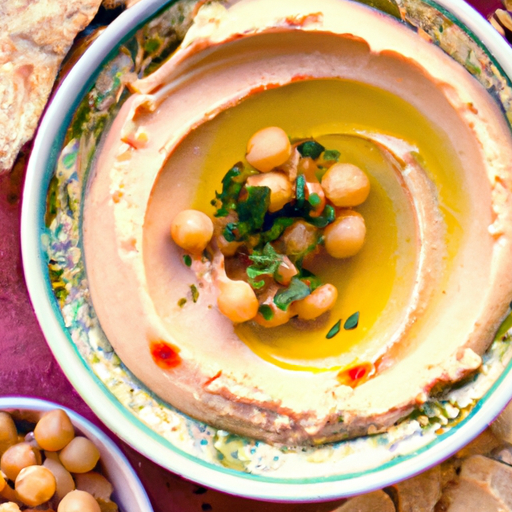
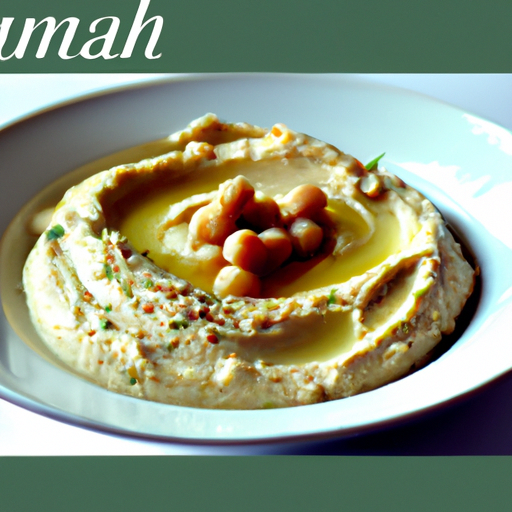
Hummus is a dip or spread originating from the Middle East, it’s primarily made from chickpeas, tahini (sesame paste), olive oil, lemon juice, and garlic.
Nutritional Components of Hummus
Hummus contains a host of essential nutrients. Its main ingredient, chickpeas, are rich in protein and dietary fiber which keep you feeling full. Sesame seeds, the base ingredient for tahini, are also packed with protein. Olive oil provides healthy fats necessary for heart health.
Health Benefits of Hummus
Consuming hummus can improve digestive health, control blood sugar levels, and heart health due to its high fiber, healthy fat, and protein content.
Hummus in the Mediterranean Diet
Role of Hummus in the Mediterranean Eating Plan
Given its nutritious ingredients, hummus plays a significant role in the Mediterranean diet. It’s a popular snack or appetizer, often paired with fresh vegetables or spread on whole grain bread.
Healthy Ways to Include Hummus in Your Diet
Hummus can be a great addition to sandwiches, salads, or used as a dip for fresh vegetables. You could also replace unhealthy condiments like mayonnaise with hummus as a healthier alternative.
Popular Mediterranean Recipes Using Hummus
Many Mediterranean recipes call for hummus. Some popular options include hummus and vegetable wraps, roasted eggplant with hummus and feta, and hummus and chicken flatbread pizzas.
The Family Aspect of the Mediterranean Diet
Mediterranean Diet as a Way of Life
The Mediterranean Diet is more than just a diet, it’s a lifestyle. An integral part of this lifestyle includes the connection and enjoyment that comes from sharing and eating meals together as a family.
Sharing Quality Food with Family
By adopting the Mediterranean diet, you are setting an example for your family. Sharing quality food together not only strengthens family bonds but also encourages healthier eating habits in children.
Getting Kids Involved in Healthy Eating
Involve your children in planning and preparing meals. You can encourage them to choose a new fruit, vegetable, or grain to try. This can make the transition to healthier eating much more enjoyable for your little ones.
JD’s Personal Experience with the Mediterranean Diet
Why JD Chose the Mediterranean Diet
JD chose the Mediterranean diet for its numerous health benefits, and the simplicity and flexibility the diet provides. He particularly favored the focus on whole foods, and the balance provided between the plant-based ingredients and lean proteins.
How the Mediterranean Diet Improved JD’s Health
JD noticed significant improvements in his health since adopting the Mediterranean diet. Not only has he lost weight, but his energy levels have also improved, along with better blood pressure and cholesterol numbers at his medical check-ups.
JD’s Mediterranean Diet Recipes for Family
JD loves sharing his favorite recipes with his family. A family favorite is a simple whole-grain pasta salad with plenty of vegetables, olive oil, and a side of protein like grilled chicken or fish. And of course, a homemade hummus dip is always a hit.
Common Misconceptions about the Mediterranean Diet
Myth vs. Reality: Understanding What the Mediterranean Diet Really Entails
Many people think the Mediterranean diet is expensive or difficult, but in reality, it focuses on simple, fresh, and affordable ingredients. The diet emphasizes whole, plant-based foods, so fresh, inexpensive produce and grains often make up the bulk of your meals.
Are all Fats Bad? The role of Healthy Fats in the Mediterranean Diet
While the diet is high in fat, it’s important to note that these fats are the healthy variety. Olive oil, nuts, seeds, and fish provide monounsaturated and polyunsaturated fats, which can reduce bad cholesterol levels and provide a multitude of health benefits.
Can a Diet be a Long-Term Lifestyle? The Mediterranean Diet as a Sustainable Approach to Healthy Living
The Mediterranean diet isn’t a quick fix or a fad. It’s a lifelong commitment to a healthier lifestyle. The variety and flexibility of the diet make it sustainable for the long term.
Overcoming Challenges when Adopting the Mediterranean Diet
Addressing Cost Concerns
While some Mediterranean diet recipes call for expensive seafood or imported olive oils, it’s entirely feasible to follow the diet on a budget. Opt for in-season fruits and vegetables, buy grains and pulses in bulk, and choose cheaper proteins like eggs and legumes.
Finding Time for Meal Preparation
Start slow; try introducing a few elements of the Mediterranean diet into your meals each week. Prepare larger batches of staples like grains, roasted vegetables, or hummus to last a couple of days.
Adjusting to New Foods and Flavors
Introducing new foods and flavors gradually can help. Start by adding more fruits and vegetables to your meals, switch to whole grains, and start incorporating more legumes and healthy fats.
Resources for Following the Mediterranean Diet
Recommended Books and Cookbooks
“Live to Eat: Cooking the Mediterranean Way” by Michael Psilakis and “The Mediterranean Diet Cookbook” by Nancy Harmon Jenkins are great places to start.
Useful Websites and Blogs
The Mediterranean Dietitian and Oldways are great websites, providing a wealth of resources, blogs and recipes. JD’s blog at www.mediterraneandietrecipes.net is also packed with practical tips and recipes.
Other Supportive Tools and Communities
Joining a community of like-minded individuals can provide much-needed support. There are numerous online forums and communities dedicated to the Mediterranean diet.
Success Stories on the Mediterranean Diet
Inspiring Personal Accounts
Numerous individuals have shared their positive experiences with the Mediterranean diet online, highlighting significant improvements in weight, health markers, and overall well-being.
Scientific Studies Highlighting the Success of the Mediterranean Diet
Numerous studies have proven the diet’s success. Scientists found people following the Mediterranean diet had a decreased risk of heart disease, cholesterol, and other serious health problems.
Famous Personalities who follow the Mediterranean Diet
Celebrities, athletes and everyday people are adopting and succeeding in healthy living with the Mediterranean Diet. Penelope Cruz, Isla Fisher and Rachael Ray are a few famous personalities who follow this diet.
Conclusion: Is Hummus on the Mediterranean Diet?
Understanding the Role of Hummus in the Mediterranean Diet
Hummus is a central part of the Mediterranean diet. It’s a healthy, delicious, and versatile dip or spread that brings together whole grains, vegetables, lean proteins, and healthy fats.
The Takeaway on Hummus and the Mediterranean Diet
Nobody can deny the health benefits of hummus on the Mediterranean diet. It’s a highly nutritious food that can easily be incorporated into numerous meals.
Final Tips for Incorporating Hummus into the Mediterranean Diet
Start by using hummus as a dip for vegetables, or spread it on whole grain bread. Try incorporating it into a salad dressing, or using it as a base for other dishes. Your options are endless.
The Mediterranean lifestyle, including hummus in your diet, offers numerous health benefits, and with so many ways to incorporate it into meals, it’s easy to get started. The important part is to focus on enjoying the journey and celebrating the joys of food with the ones you love.
Leave a Reply