You’ve probably heard about the widely loved Mediterranean Diet, right? This heart-healthy diet is well known for its focus on whole, minimally processed foods like fruits, vegetables, whole grains, legumes, and healthy fats like olive oil. But here comes the question that you’re probably itching to know: Is mayonnaise OK to include in the Mediterranean Diet?
Well, you’re in the right place to find out! In the forthcoming article, JD, a devoted father of three with a passion for health and wellness, delves deeper into this topic – exploring whether or not mayonnaise can find a place within the Mediterranean Diet. He wholeheartedly believes in sharing high-quality food with family as it nurtures not just the body, but the bond between loved ones. So, get ready to get enlightened and learn more about the role of mayonnaise in the Mediterranean diet. Be prepared for some surprising insights and revelations!
Is Mayonnaise OK On Mediterranean Diet?
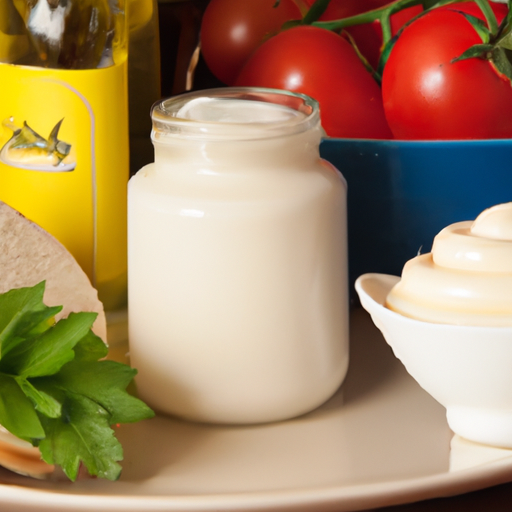
Understanding the Mediterranean Diet
The Mediterranean diet is celebrated for its flavorful components and commendable health benefits. Rooted in the traditional eating habits of countries along the Mediterranean Sea, it has made significant waves in the world of nutrition and wellbeing.
Key Components of the Mediterranean Diet
The diet primarily consists of a high intake of fruits, vegetables, legumes, fish, whole grains, nuts, and olive oil. It promotes moderate consumption of dairy and poultry, and low intake of red meat and sweets.
Health Benefits Associated with the Mediterranean Diet
This diet is associated with numerous health benefits such as improved heart health, aiding weight loss, and maintaining healthy blood sugar levels. The Mediterranean diet’s rich nature with respect to fruits and vegetables, lean proteins, and good fats make it a potent tool in preventing chronic illness.
Exploring Mayonnaise as a Food Item
Mayonnaise is a popular condiment made primarily from egg yolks, oil, and vinegar. Despite its ubiquity and versatility in the kitchen, many question its nutritional value.
Nutritional Content of Mayonnaise
Mayonnaise is high in fat, specifically monounsaturated fats which are the ‘good’ fats. It also contains small amounts of Vitamin E and K. However, commercial versions can be very high in calories, saturated fats, and sodium.
Common Usage and Recipes Incorporating Mayonnaise
Mayonnaise is commonly used as a tasty addition to sandwiches, salads, and dips. Various cuisines value its creamy, rich texture and tangy flavor, making it a versatile ingredient worldwide.
Mayonnaise and the Mediterranean Diet
Traditional Mediterranean Diet and Mayonnaise
Mayonnaise, unfortunately, is not traditionally a part of the Mediterranean diet. This culinary staple of the Western world does not factor largely into Mediterranean cuisine, which emphasizes olive oil as a primary source of fat.
Variations within the Mediterranean Diet
However, a variation of the Mediterranean diet could include mayonnaise, provided it is prepared with high-quality ingredients such as olive oil and consumed in moderation.
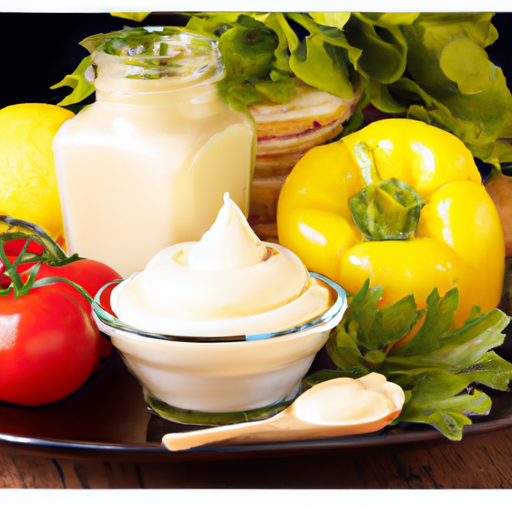
Commercial Mayonnaise and Its Suitability to the Mediterranean Diet
Examining Ingredients of Commercial Mayonnaise
Commercially prepared mayonnaise often includes potentially harmful ingredients such as refined oils, preservatives, and added sugars which do not fall in line with the principles of the Mediterranean diet.
Saturated Fats and Trans Fats in Commercial Mayonnaise
Most brands of commercial mayonnaise come with high amounts of saturated fats that can contribute to cardiovascular issues. They may also contain trans fats, which are even worse for heart health.
Homemade Mayonnaise and the Mediterranean Diet
Opting for Healthier Oils in Homemade Mayonnaise
Everyone loves options, and mayonnaise offers just that. When making homemade mayonnaise, choosing a healthier oil like olive oil aligns with the values of the Mediterranean diet.
Balancing Nutrients in Homemade Preparation
Whipping up your homemade mayonnaise gives you control over your ingredients. You can subtract the unnecessary additives and maintain a balance of nutrients while enjoying the same creamy texture and delicious taste.
Alternatives to Mayonnaise for the Mediterranean Diet
Beneficial Fats from Avocado and Olive Oil
Nutrient-rich foods like avocados and olive oil provide beneficial fats and can serve as excellent mayonnaise substitutes.
Taste Substitutes: Yogurt, Mustard and Hummus
These alternatives can offer similar flavors and consistencies to mayonnaise while aligning more closely with the principles of the Mediterranean diet.
Incorporating Mayonnaise into the Mediterranean Diet Responsibly
Promoting Moderation in Consumption
If you’re a fan of mayonnaise, there’s no need to completely abandon it while on the Mediterranean diet. The key lies in moderation and opting for healthier, homemade versions.
Pairing Mayonnaise with Other Mediterranean Foods
Mayonnaise can be mixed with Mediterranean diet-friendly foods such as salads, grilled fish or whole grain sandwiches, as long as it is used thoughtfully and sparingly.
The Impact of Mayonnaise on the Health Goals of the Mediterranean Diet
Mayonnaise and Heart Health
Processed mayonnaise can impact heart health negatively due to its high saturated fats content. However, a homemade version with olive oil can offer heart-friendly monounsaturated fats.
How Mayonnaise Can Affect Weight Management
Too much mayonnaise can lead to weight gain due to its high calorie content. However, under a controlled, moderate consumption, it can be part of your diet without jeopardizing your weight management goals.
Personal Stories: JD’s Experience with Mayonnaise in a Mediterranean Diet
JD’s Initial Take on Mayonnaise in His Diet
JD has always loved the creamy texture and rich flavor of mayonnaise but was initially hesitant about including it in his diet given its high-fat content.
JD’s Discoveries and Adjustments Incorporating Mayonnaise
He discovered that by making homemade mayonnaise with olive oil, he could enjoy its unique taste while upholding the principles of the Mediterranean diet. Hence, mayonnaise became part of his diet, but with moderation and adjustments.
Conclusions: Mayonnaise and the Mediterranean Diet
Reconciling Love for Mayonnaise with a Healthy Diet
By replacing processed mayonnaise with a healthier homemade option and controlling the quantity consumed, mayo lovers can still enjoy their favorite condiment while adhering to a Mediterranean diet.
Taking Charge of Your Health and Your Diet Choices
JD wants to convey that everyone can take charge of their health by choosing wholesome, fresh ingredients over processed variants and consuming them in a thoughtful, balanced manner in a bid to relish food while maintaining vitality. Balance and moderation are key. Whether it’s a scoop of mayonnaise or a slice of cake, a sustainable way of eating allows for indulgence, within bounds.
Remember, the goal is to enjoy food with family, celebrate good health, and create lasting memories around the dining table. It’s not just about being present, but being healthy, active, and engaged. Even if the food is merely a supporting character in this narrative, what we choose to eat can truly dictate the course of our health and our lives.
Leave a Reply