You’ll be excited to learn that we’re exploring a question you might have pondered – Is mozzarella cheese okay on the Mediterranean diet? Along this nutrition journey, you’ll glean insights into the Mediterranean diet, grasp how mozzarella cheese fits into it, and how this could contribute positively to your family’s healthful eating habits. Stay tuned and relish the knowledge ahead.
Understanding the Mediterranean Diet
Definition and Origin of Mediterranean Diet
The Mediterranean Diet, as the name suggests, is inspired by the eating habits of the inhabitants of the countries bordering the Mediterranean Sea. This wholesome diet plan is not about restrictive meals or depriving oneself of certain foods, but it revolves around the consumption of fresh, nutrient-dense food sources that originated in this region.
Key Components of the Mediterranean Diet
The foundation of this diet includes daily consumption of fruits, vegetables, whole grains, and healthy fats such as olive oil. It encourages weekly servings of fish, poultry, beans, and eggs. Dairy products and red meat are also included but in moderation. Plus, physical activity and shared meals with loved ones are highly recommended.
The Role of Dairy in the Mediterranean Diet
Importance of Dairy in the Mediterranean Diet
Dairy products hold a special place in the Mediterranean diet, primarily for their rich content of protein, calcium, and other essential nutrients. The Mediterranean diet often includes dairy products such as milk, yogurt, and cheese.
Types of Dairy Consumed in the Mediterranean Diet
Cheeses, like feta and mozzarella, and yogurt are preferred choices of dairy in this diet. It emphasizes the use of low-fat dairy options to balance overall calorie and fat intake.
How Dairy Contributes to Health and Wellness
Consuming dairy in moderation can foster weight management, bone health, and heart health while supplying essential nutrients like proteins, vitamins, and minerals.
Integrating Mozzarella into the Mediterranean Diet
Nutritional Profile of Mozzarella
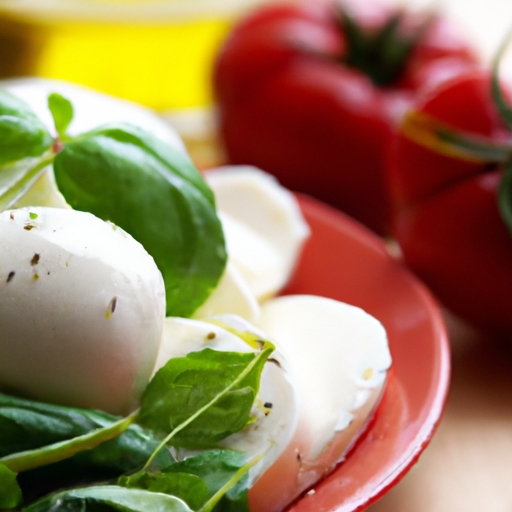
Mozzarella is a soft, white cheese with high moisture content. It is not only delicious but nutrient-rich, providing good amounts of protein, calcium, and vitamin B2.
Comparison between Mozzarella and Other Cheeses
Compared to other cheese varieties, mozzarella is low in sodium and calories. It contains less fat and cholesterol than many other cheeses, making it a healthy choice.
The Use of Mozzarella in Mediterranean Cuisine
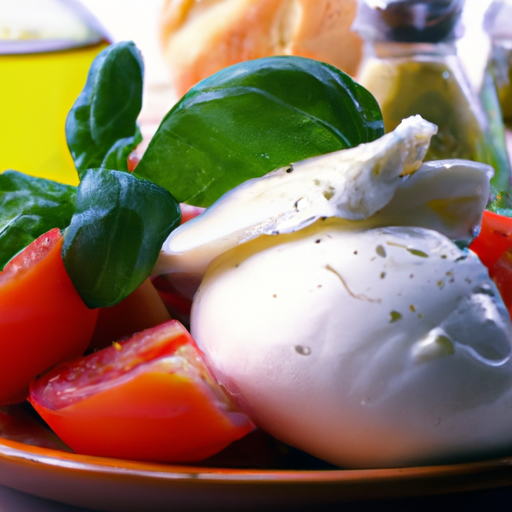
Mozzarella is versatile and widely used in Mediterranean dishes, including salads, pasta, and pizzas. It can also be eaten fresh with bread or fruits for a healthy snack.
Healthy Ways to Incorporate Mozzarella into Meals
Mozzarella-Based Mediterranean Recipes
There are many delicious ways to include mozzarella in your meals. It adds creaminess to salads, enhances the taste of sandwiches, and makes pizza irresistible. You can also use it in baked dishes or enjoy it as a snack with fruits.
Portion Control and Frequency of Mozzarella Consumption
While mozzarella has several health benefits, it should still be eaten in moderation. Stick to proper portion sizes and follow a balanced diet to maintain a healthy lifestyle.
Beneficial Effects of Consuming Mozzarella
How Mozzarella Fulfills the Healthy Fat Requirement of the Mediterranean Diet
Mozzarella is a source of monounsaturated fats – the ‘healthy’ fats that are a key component of the Mediterranean diet. These fats help to reduce bad cholesterol levels and increase good cholesterol, contributing to heart health.
Other Nutritional Benefits of Mozzarella
Mozzarella also offers additional health benefits like maintaining healthy bones due to its high calcium content, aiding muscle function with its rich protein content, and promoting digestive health due to probiotics presence.
The Family Aspect of the Mediterranean Diet
Why the Mediterranean Diet Emphasizes Shared Meals
The Mediterranean diet not only promotes a healthy eating habit but also encourages enjoying meals with family and friends to create a sense of community, leading to holistic well-being.
Involving the Family in Cooking and Meal Planning
Cooking together not only promotes bonding but also allows everyone to take part in creating healthy, delicious meals, fostering an appreciation for wholesome foods.
Creating Diverse and Nutritious Family Meals with Mozzarella
The addition of mozzarella can make simple dishes more appealing to kids and adults alike, while adding nutritional value.
Contradicting Claims About Dairy and Health
Analyzing Recent Studies on Dairy and Health
While some studies claim dairy can lead to certain health issues, others suggest that dairy, when consumed in moderation, can contribute to overall health and wellness.
Addressing Dairy Consumption Concerns
Remember, it’s all about balance. While the Mediterranean diet includes dairy, it promotes low-fat options and recommends moderate consumption.
Balancing the Mediterranean Diet in a Modern Lifestyle
Challenges of Adhering to the Mediterranean Diet
In a fast-paced world, sticking to a diet can be hard. But the flexibility of the Mediterranean diet makes it adaptable and achievable.
Adapting the Mediterranean Diet to Suit Different Lifestyles and Dietary Needs
Customize the diet according to personal preference, dietary restrictions, and nutritional needs. Allow some elasticity and make changes that best suit your lifestyle.
Success Stories of the Mediterranean Diet
Long-Term Health Benefits Experienced by Individuals Following the Mediterranean Diet
Many individuals following the Mediterranean diet have seen excellent long-term health benefits like weight loss, reduced risk of heart diseases, better control of blood sugar levels, etc.
Testimonials of Increased Family Health and Togetherness through the Mediterranean Diet
Embracing the Mediterranean diet has helped enhance family health and togetherness as members share experiences of cooking and enjoying meals together.
Conclusion
Reflecting on the Versatility and Healthfulness of the Mediterranean Diet
The Mediterranean diet is not just versatile and bountiful in taste but also packed with health benefits. Adding mozzarella to this diet amplifies both the taste and health quotient.
Revisiting the Place of Mozzarella in the Mediterranean Diet
So, is mozzarella cheese OK on the Mediterranean diet? Absolutely! As long as we remember that moderation is key and wisely pair it with other nutritious foods, mozzarella is more than welcome on the Mediterranean table. Enjoy it wholeheartedly!
Leave a Reply