In this discussion, you’ll gain clarity on the topic – ‘Is Rice Allowed On Mediterranean Diet?’. By the end, you’ll not only understand whether or not rice fits into the Mediterranean diet, but you’ll also gain insight into the health benefits associated with this lifestyle. Throughout the article, there will be an emphasis on enjoying high-quality, nutritious meals with your family, a concept central to the Mediterranean diet and a priority for our author, JD.

Understanding the Mediterranean Diet
Before exploring the role of rice in the Mediterranean diet, it’s essential to understand what this popular dietary pattern entails. The Mediterranean diet primarily emphasizes on consuming plant-based foods such as fruits, vegetables, grains, legumes, and seeds. With an emphasis on moderate to high consumption of fish, this diet also promotes limited intake of red meat but generous usage of olive oil. Characterized by a balanced approach to eating, it gives due importance to sharing food and enjoying meals with family.
Essential components of the Mediterranean Diet
Key components of the Mediterranean diet include whole grains, fresh fruits and vegetables, nuts and seeds, lean proteins, and olive oil as a major source of healthy fats. These components are enriched with essential nutrients that contribute to overall health and wellness. Additionally, the diet encourages moderate consumption of red wine, ideally with the meals.
Health benefits of the Mediterranean Diet
Adopting a Mediterranean diet offers numerous health benefits. It promotes heart health, aids in weight management, regulates blood sugar levels, and even contributes to longevity. Its emphasis on wholesome, unprocessed foods can potentially reduce the risk of chronic diseases like diabetes and cancer.
Myths and misconceptions about the Mediterranean Diet
Despite its popularity, several misconceptions surround the Mediterranean diet. Some people believe it’s restrictive or difficult to follow; however, it is quite the opposite. It offers flexibility and encourages consumption of a variety of foods in moderation.
Insight into the Role of Carbohydrates in the Mediterranean Diet
Another misconception is that to lose weight one must cut down on carbohydrates drastically. The Mediterranean diet debunks this myth.
Importance of carbohydrates in our diet
Carbohydrates are essential for providing energy to our bodies. They fuel our brain, kidneys, heart muscles, and the central nervous system. Contrary to popular belief, not all carbohydrates are harmful.
Good vs. bad carbohydrates
In the context of the Mediterranean diet, what matters is the quality of carbohydrates. ‘Good carbohydrates’ like whole grains, fruits, and vegetables are an integral part of this diet because of their high fiber content and slow digestion rate, both of which help control blood sugar levels. On the contrary, ‘bad carbohydrates’ such as processed and sugary foods should be limited.
Recommended carbohydrate intake in the Mediterranean diet
The carbohydrates in a Mediterranean diet come from whole grain sources like whole wheat, bulgur, oats, brown rice, and barley.
Rice as a Source of Carbohydrate
Rice is a versatile grain that’s consumed widely across the world. In terms of nutrition, rice can contribute significantly to your daily carbohydrate intake.
Nutritional value of different types of rice
Among the various types of rice, brown rice stands out for its superior nutritional profile. Enriched with dietary fiber, brown rice is instrumental in aiding digestion while promoting a feeling of fullness, which is crucial for weight management.
Health benefits of consuming rice
In addition to providing energy, increasing metabolism, and promoting cardiovascular health, rice can also prevent chronic constipation and reduce the risk of colorectal cancer.
Possible risks and drawbacks of excessive rice consumption
While rice has its benefits, overconsumption can lead to an excessive calorie and carbohydrate intake. Additionally, white rice is known to have a high glycemic index, which can cause a spike in blood sugar levels if consumed in large quantities.
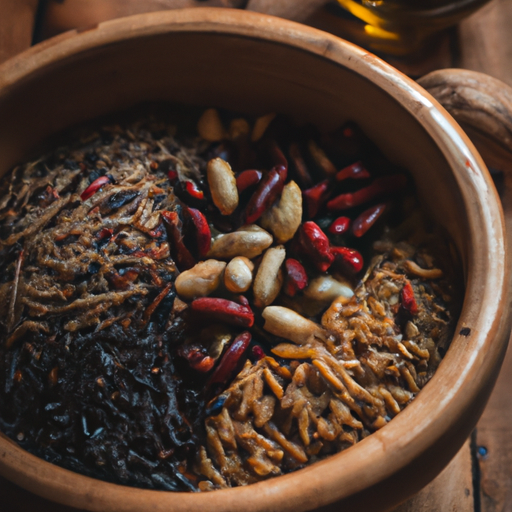
Inclusion of Rice in the Mediterranean Diet
Contrary to popular belief, rice is indeed allowed in the Mediterranean diet.
Role of rice in the Mediterranean dietary pattern
Rice, particularly brown rice, is a staple in the Mediterranean diet. It’s used in a variety of dishes and combined with other nutrient-rich foods to create hearty and healthy meals.
Ideal rice varieties for this diet
While any variety of rice can be used in the Mediterranean diet, whole grains like brown rice and wild rice are preferred because of their higher fiber content.
Exploring rice-based Mediterranean diet dishes
Rice plays a starring role in several Mediterranean dishes like Greek rice pilaf and Spanakorizo (Greek spinach rice).
Substitutes for Rice in the Mediterranean Diet
If you’re not a fan of rice, you’ll be pleased to know that the Mediterranean diet offers many alternatives.
Alternative grains in the Mediterranean diet
Quinoa, bulgur, and farro can be excellent replacements for rice in your meals.
How to use these alternatives in your meals
You can easily swap rice with these alternatives in salads, pilaf, or stuffed vegetables.
Comparing nutritional values of rice and its substitutes
When compared with white rice, whole grains like quinoa and bulgur often have more fiber and protein.
Maintaining Balance in the Mediterranean Diet
The beauty of the Mediterranean diet lies in its balanced approach.
Understanding portion control
Like any balanced diet, the Mediterranean diet emphasizes portion control. Moderate servings, coupled with a variety of foods, aids in maintaining a balanced nutritional intake.
The importance of including a variety of foods
Having a variety of foods ensures that your body receives all the vitamins, minerals, and other nutrients it needs for optimal function.
Balancing carbohydrates with other macronutrients
The Mediterranean diet places equal importance on all macronutrients, promoting a balance between carbohydrates, proteins, and fats.
Incorporating the Mediterranean Diet into Daily Life
Embracing the Mediterranean diet doesn’t mean a drastic change in your lifestyle. Instead, it encourages a healthier way of living.
Planning your meals effectively
With the diverse food options available in the Mediterranean diet, meal planning can be a cinch. You can easily adapt the diet to suit your individual tastes and dietary needs.
Tips for integrating the Mediterranean diet into a busy schedule
Preparing meals in advance, using wholesome, pre-prepared ingredients, and opting for simple recipes can help you stick with the diet, even on a busy schedule.
Involving family in your Mediterranean diet journey
The Mediterranean diet is all about sharing meals with loved ones. Involving your family in preparing meals can make the experience more enjoyable and fulfilling.
Encouraging Children and Family to Embrace the Mediterranean Diet
The Mediterranean diet isn’t just beneficial for adults—it’s excellent for children too.
Role of the Mediterranean diet in children’s health
This diet can help instill healthy eating habits in children from a young age, thereby reducing the risk of developing lifestyle diseases in the future.
Tips to encourage children to follow this diet
Make meals interesting by presenting a variety of colors and textures. You can also involve children in food preparation, making it a fun learning session.
Real-life Success Stories with the Mediterranean Diet
JD’s journey towards health with the Mediterranean diet
JD, the author of this blog, has personally witnessed the myriad benefits of following this diet. By eating wholesome Mediterranean meals, he managed to improve his health and vitality, making him an active participant in his children’s lives.
Conclusion: Rice and the Mediterranean Diet
With its host of benefits and inclusive nature, there’s little wonder why the Mediterranean diet is touted as one of the healthiest on earth. Rice, when combined with other staple components, can effectively help maintain your health and vitality over time. By weaving this diet into your daily life and involving your loved ones, you’ll be cultivating not just healthier eating habits, but also an enriched lifestyle that celebrates the joy of sharing meals and spending time with family. As evident from JD’s success story, the vitality and longevity offered by the Mediterranean diet make it a rewarding choice for anyone looking to enhance their overall well-being through mindful eating.
Leave a Reply