Have you ever found yourself pondering if rice fits into the Mediterranean diet? It’s a question that’s worth considering, especially if you’re a fan of this comforting, versatile grain. As the Mediterranean diet is known for its focus on heart-healthy foods filled with beneficial fats, vegetables, and grains, could there be room for rice? It seems you might be onto something.
Good news awaits in the coming content. Reserve a minute or two to delve into this article. Not only you’ll discover if rice fits into the wholesome Mediterranean diet, but you’ll also find a range of exciting food combinations that favor both your palate and health. The article also emphasizes the pleasure of sharing high-quality meals with loved ones. You’re on an enlightening culinary journey here, so get comfortable and read on.
Understanding the Mediterranean Diet
Overview of the Mediterranean Diet
The Mediterranean Diet is not just a diet; it’s a lifestyle. It emphasizes eating predominantly plant-based foods, seasonally fresh fruits for desserts, olive oil as the main source of dietary fat, and whole grain cereals like rice and whole-wheat bread.
Health Benefits Associated with Mediterranean Diet
The Mediterranean Diet promotes numerous health benefits. It could help prevent heart diseases and strokes, keep your weight in control, and even potentially reduce your risk of Alzheimer’s and Parkinson’s diseases. Remember, the food you consume plays a significant role in your overall health.
Rice in the Context of Mediterranean Diet
Types of Rice Consumed in Mediterranean Region
Various types of rice are consumed in the Mediterranean Region, including Arborio, Bomba, and Carnaroli. These short-grain varieties are typically used in dishes like paella and risotto, providing that distinct, creamy texture relished by many.
Nutritional Value of Rice
Rice is an excellent source of energy, supplying essential nutrients that our body needs, like dietary fiber, vitamins, and minerals. It is low in sodium and saturated fats, and without cholesterol – an asset from a health point of view.
Whole Grains and the Mediterranean Diet
Purpose of Whole Grains in the Diet
Whole grains play a crucial role in the Mediterranean Diet. They are the cornerstone of every meal, providing the much-needed complex carbohydrates for energy and fiber for a healthy digestive system.
Impact of Whole Grains on Health
The regular consumption of whole grains is linked to a lowered risk of chronic diseases like heart diseases, type-2 diabetes and cancer. They are also instrumental in maintaining healthier body weight over time.
Inclusion of Rice in the Mediterranean Diet
How Rice Fits into the Diet
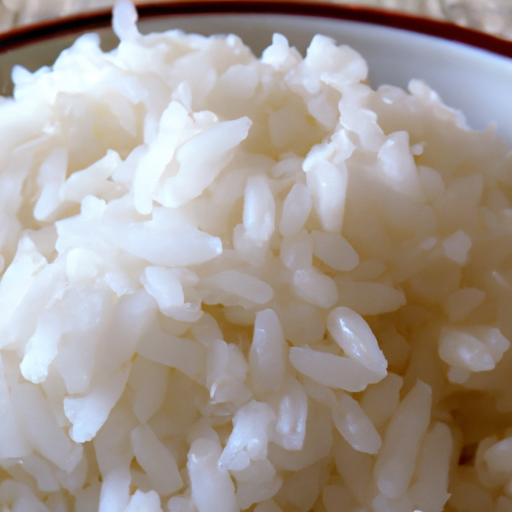
Rice, as a versatile whole grain, fits perfectly well in the Mediterranean diet. Whether it’s a hearty vegetable risotto or a light and refreshing rice salad, rice-based dishes are commonly found at the Mediterranean table.
Cooking Techniques and Rice Preparation in Mediterranean Diet
Traditionally, rice is simmered slowly with broth, herbs, and vegetable or lean meat in Mediterranean cooking. The slow cooking helps the rice to absorb all the flavors, making the dish healthy, delectable, and quite filling.
Balanced Diet: The Key Principle of the Mediterranean Diet
Importance of Variety in Food Choices
Variety is a key player in the Mediterranean diet. It encourages the consumption of a diverse range of fruits, vegetables, whole grains (like rice), and lean protein, ensuring you get a broad range of nutrients necessary to maintain overall health.
Emphasis on Plant-based Foods in Mediterranean Diet
Plant-based foods, including vegetables, fruits, grains, nuts, legumes, and seeds, are at the core of the Mediterranean Diet, supported by moderate portions of poultry and fish, and occasional servings of red meat.
Mediterranean Diet and Family Meals
Role of Shared Meals in Family Bonding
Sharing meals have long been an essential part of the Mediterranean lifestyle. There is something profoundly satisfying about sitting down for a meal with the ones you love. It creates an intimate bonding time that can positively influence your family’s overall emotional health.
Implication of Mediterranean Diet on Family Health
A shared meal following the principles of the Mediterranean diet is a fantastic way to introduce and establish healthy eating habits in your family. It provides all the necessary nutrients for your family’s growth and overall wellbeing.
Mediterranean Diet for Long Term Health
Effects of the Diet on Heart Health
The Mediterranean Diet is often advocated for its heart health benefits. It is low in saturated fat and high in dietary fiber, which can help to maintain a healthy cholesterol level, thus lowering the risk of heart disease.
Mediterranean Diet and Longevity
Research also suggests that following a Mediterranean Diet contributes to longevity. The diet’s emphasis on plant-based foods, lean proteins, and healthy fats, along with moderate alcohol consumption, comes together to create a lifestyle conducive to long-term health.
Common misconceptions about Rice and the Mediterranean Diet
Myth: Rice is not part of the Mediterranean diet
Contrary to a common misconception, rice is a staple in the Mediterranean Diet, providing an essential source of complex carbohydrates.
Myth: Rice is unhealthy
Rice provides many health benefits. As a whole grain, it provides essential nutrients and dietary fiber. Choosing whole grain varieties like brown rice can also aid in maintaining a healthy weight.
Personal Experiences with Rice in Mediterranean Diet
Incorporating Rice in Personal Meal plan
As a passionate advocate for the Mediterranean Diet, I regularly incorporate rice into my family’s meal plan. From a comforting bowl of risotto, to a vibrant rice salad, rice plays an integral role in our Mediterranean style meals.
Impact of Including Rice in Diet on Personal Health and Family Life
Including rice in our diet has had a positive impact on our health – it keeps us satiated for longer and supplies our body with necessary nutrients. Additionally, our family meal times have turned into a joyful healthy feast that binds us together.
Conclusion
Bringing it All Together: Rice in Mediterranean Diet
So, to answer your question, “Is rice OK on Mediterranean diet?” Absolutely! Rice, specifically the whole grain variety, is an excellent addition to a balanced, heart-healthy Mediterranean-style diet.
Next Steps: Incorporating Rice into Your Mediterranean Diet
If you want to incorporate more rice in your diet, start with simple recipes such as Mediterranean rice salads or risottos. Enjoy the benefits of a Mediterranean diet, and start your journey towards better health!
Leave a Reply