Ready to find out if spaghetti has a place in your Mediterranean diet? Excellent, this is the right spot! In this friendly, informative guide, you’ll learn about the role of pasta in the Mediterranean diet, focusing on health, quality food, and shared family meals. Let’s enrich your knowledge and add some flavor to your culinary experience.
Understanding the Mediterranean Diet
What is the Mediterranean Diet?
The Mediterranean Diet represents a unique pattern of eating, influenced by the cultures residing near the Mediterranean Sea. This diet is acknowledged for its rich intakes of plant-based foods, healthy fats, lean proteins, and moderate consumption of red wine, largely making it one of the world’s healthiest diets.
The Origin and Cultural Importance of the Mediterranean Diet
The Mediterranean Diet traces its roots back to countries such as Greece, Italy, and Spain, where the culinary practices have deep cultural and historical significance. It is much more than merely ‘what’s on your plate’. It emphasizes the significance of communal dining, sharing meals with family and friends, thereby promoting a healthy social life.
The Benefits of the Mediterranean Diet
The Mediterranean Diet is a powerhouse of benefits. Its plentiful intake of fruits, vegetables, legumes, and whole grains means you’re feeding your body with high-fiber, low-glycemic foods that not only keep you satiated but also contribute to good gut health. Besides, the diet is rich in healthy fats and lean proteins that contribute to cardiovascular health and weight management.
The Main Principles of the Mediterranean Diet
Several principles form the core of the Mediterranean Diet. It encourages eating primarily plant-based foods, replacing butter with olive oil, using herbs and spices instead of salt, limiting red meat intake, and opting for fish and poultry for protein needs. Exercise and enjoying meals with family and loved ones are integral parts of this diet.
The Place of Pasta in the Mediterranean Diet
Is Pasta a Staple Food in the Mediterranean Diet?
Yes, pasta is a staple food in the Mediterranean Diet. It’s all about balance and moderation. Many Mediterranean meals consist of pasta as an integral part of their diet. When paired with other diet-friendly foods, like vegetables, legumes, and lean proteins, pasta can contribute to a well-rounded, nutritious diet.
The Right Types of Pasta for the Mediterranean Diet
Not all pasta is created equal. In the Mediterranean Diet, it’s best to choose whole grain pasta. Whole grains are rich in fiber and other important nutrients, making it a healthier choice over refined grains.
Balancing Pasta with Other Foods in the Mediterranean Diet
To maintain a balanced Mediterranean Diet, accompany pasta with plenty of fresh vegetables, legumes, and lean proteins. Think grilled chicken breast on whole grain spaghetti with a side of steamed vegetables, or pasta salad loaded with fresh veggies, chickpeas, and a light vinaigrette.
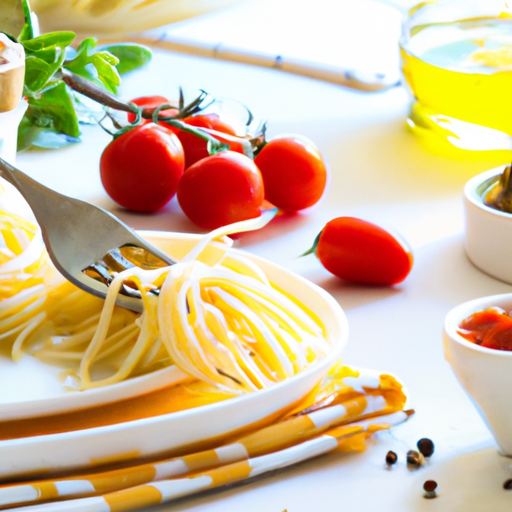
Spaghetti on the Mediterranean Diet
The Nutritional Value of Spaghetti
Whole grain spaghetti, in particular, offers a range of nutritional benefits. It provides a good dose of fiber, keeping you full for longer and aiding digestion. Moreover, it’s a decent source of plant-based protein and offers important nutrients such as iron and B vitamins.
Choosing the Right Spaghetti for the Mediterranean Diet
To make a smart spaghetti choice for the Mediterranean Diet, stick to whole grain options as much as possible. You may also like to explore varieties made from lentils or chickpeas for an extra protein boost.
Healthy Spaghetti Recipes for the Mediterranean diet
Healthy spaghetti recipes in the Mediterranean Diet can be wonderfully varied. You can experiment with different flavors like spaghetti with olive oil, garlic, and chili flakes for a simple yet flavorful meal, or a hearty spaghetti with tomato, olives, and capers.

Sharing Meals on the Mediterranean Diet
The Role of Family Meals in the Mediterranean Diet
The sharing of meals lies at the heart of the Mediterranean lifestyle. It isn’t just about nourishment, but nurturing relationships, too. Such communal dining encourages mindful eating and better portion control.
Encouraging Healthy Eating Habits in Children Through the Mediterranean Diet
The Mediterranean Diet can be a fantastic way to instill healthy eating habits in children. Sharing meals lets children see their parents eating and enjoying a variety of foods, which can encourage them to try new flavors and textures.
Making the Mediterranean Diet a Family Affair
Transforming the Mediterranean Diet into a family affair is a smart way to ensure everyone benefits from this heart-healthy eating plan. By incorporating family-friendly recipes everyone can enjoy, such as whole grain spaghetti with fresh tomato sauce and grilled chicken, you can make the diet a part of your family’s lifestyle.
Lifestyle and Exercise on the Mediterranean Diet
Understanding the Lifestyle Accompanying the Mediterranean Diet
Implementing the Mediterranean Diet involves embracing more than just a dietary change. It comprehensively inspires a lifestyle shift that includes regular physical activity, sharing meals with loved ones, and focusing on rest and relaxation.
The Importance of Exercise on the Mediterranean Diet
Exercise is a vital component of the Mediterranean Diet. Regular physical activity in any form—be it walking, running, swimming, or playing a sport—helps maintain a healthy weight and enhances overall well-being.
Balancing Diet and Lifestyle for Health and Longevity
Striking a balance between a healthy diet, regular exercise, and a positive lifestyle can potentially contribute to a longer and healthier life. This balance embodies the core tenets of the Mediterranean Diet.
The Role of the Mediterranean Diet in Promoting Long-Term Health
How the Mediterranean Diet Contributes To Longevity
The regular consumption of whole foods combined with a balanced lifestyle, as seen in the Mediterranean Diet, has been linked to longevity. The diet’s emphasis on consuming plenty of fruits, vegetables, and whole grains, and limiting the intake of processed foods, helps reduce the risk of chronic diseases.
Reducing Risk of Chronic Diseases Through the Mediterranean Diet
Numerous studies have associated the Mediterranean Diet with a lower risk of chronic diseases such as heart disease, type 2 diabetes, and certain types of cancer.
Heart Health and the Mediterranean Diet
The Mediterranean Diet’s generous helpings of heart-healthy foods like fresh fruits and vegetables, whole grains, lean meats, and olive oil make it a perfect choice for maintaining cardiovascular health.
Transitioning to a Mediterranean Diet
Tips for Starting a Mediterranean Diet
Starting a Mediterranean Diet doesn’t have to be overwhelming. Begin with small changes—swap out butter for olive oil, eat more fruits and vegetables, and include whole grain foods like pasta into your meals.
Overcoming Challenges When Switching to the Mediterranean Diet
The transition may pose certain challenges, like adjusting to new flavors. Make the switch enjoyable by exploring new recipes and making gradual changes rather than drastic ones.
Setting Realistic Expectations for the Mediterranean Diet Transition
Patience is key when transitioning to the Mediterranean Diet. As this is more of a lifestyle change than a restrictive diet, it’ll take time to see its full effects. Celebrate the small victories and keep experimenting with new healthy foods.
Personalizing Your Mediterranean Diet
Adapting the Mediterranean Diet to Meet Individual Dietary Needs
The beauty of the Mediterranean Diet lies in its versatility. You can easily adapt it to suit personal dietary needs or preferences, whether that be vegetarian, vegan, gluten-free, or others.
Balancing Personal Taste and Dietary Guidelines in the Mediterranean Diet
Finding a balance between personal taste and following dietary guidelines is essential for sustainability. Enjoy favorite dishes in moderation and focus on filling your plate with plenty of colorful fruits, vegetables, and lean proteins.
Making the Mediterranean Diet Enjoyable and Sustainable
Making the Mediterranean Diet enjoyable is key to sticking with it long-term. Experiment with different recipes, take pleasure in sharing meals with loved ones, and savor the myriad flavors this diet has to offer.
Reviewing Resources on the Mediterranean Diet
Learning from Reliable Mediterranean Diet Resources
There are many reliable resources available to guide you on your Mediterranean Diet journey. Consult with a dietitian or health professional for personalized advice, and consider using reliable websites and books for further information.
Recommended Mediterranean Diet Cookbooks and Recipes
Numerous cookbooks and online recipe banks can provide inspiration and practical guidance on preparing delicious meals consistent with the Mediterranean lifestyle.
Online Communities and Support for the Mediterranean Diet
Many online communities and forums allow people to share their experiences, seek advice, and offer support to others on the same journey. They can be a valuable complement to your Mediterranean Diet adventure.
Conclusion
The Impact of Implementing a Mediterranean Diet
Implementing a Mediterranean Diet can have a profound impact on your health. Not only can it help manage weight, but it can also ward off various chronic diseases and potentially contribute to longevity.
The Role of Spaghetti in a Balanced Mediterranean Diet
Spaghetti, particularly whole grain, finds a rightful place in the Mediterranean Diet. Its incorporation in a balanced diet rounded out with vegetables, lean proteins, and healthy fats contributes to both its healthful and flavorful appeal.
Adopting the Mediterranean Diet for a Healthier, Longer Life
Adopting the Mediterranean Diet is an investment in your health, paving the way for a long, vibrant life. Spaghetti, alongside other wholesome Mediterranean staples, can contribute to your journey to a healthier you. So, savor the flavors of the Mediterranean Diet, and here’s to you enjoying healthful, delicious meals with your loved ones!
Leave a Reply