So, you’re curious about the Mediterranean diet and wondering whether it can be an effective method for reducing inflammation? That’s a fantastic question indeed! With so many diets floating around these days, it’s quite important to figure out which ones truly offer health benefits that suit your lifestyle and body needs. And given that this topic piques your interest, we just might have the insights you’re looking for.
As you delve deep into the article, you will uncover how and why the Mediterranean diet is often linked to anti-inflammation. Plus, JD, our fellow health enthusiast and author, believes in the value of sharing healthy meals with his loved ones as a part of better lifestyle. So, if you relate to him, there’s more for you in this article. Not only will you learn the nuts and bolts of this diet, but also how it helps you carve out better health and vitality in the long run. Be sure to be with us till the end!
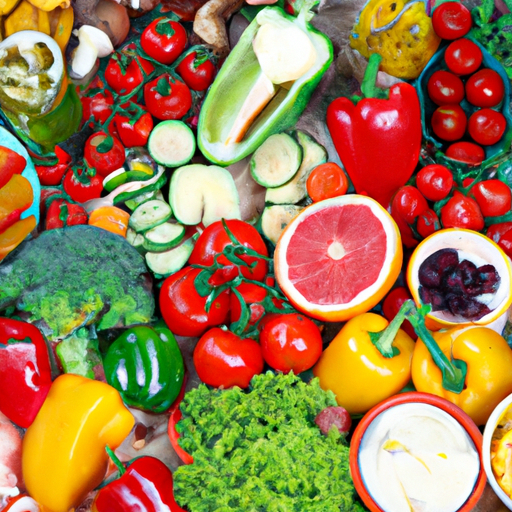
Understanding the Mediterranean Diet
Before diving into the question: Is the Mediterranean diet anti-inflammatory? Let’s understand what the Mediterranean diet is all about.
Definition of Mediterranean Diet
The Mediterranean diet is based on traditional foods people used to eat in countries like Italy and Greece back in 1960. It isn’t just a diet; it’s a long-term lifestyle choice characterized by a high intake of vegetables, fruits, whole grains, legumes and, olive oil.
Basic Principles Of The Mediterranean Diet
The Mediterranean diet encourages daily intake of whole fruits, veggies, whole grains, and healthy fats; weekly servings of fish, poultry, beans, and eggs; moderate intake of dairy products; and sparing consumption of red meat.
History and Origin of the Mediterranean Diet
The Mediterranean diet can be traced back to the traditional eating habits of the people living in the Mediterranean region, particularly of Greece, Italy, and Spain, around the 1960s. The popularity of this diet has its roots in the post-war era, where epidemiological studies revealed remarkably low incidences of chronic diseases and higher-than-average lifespan among the Mediterranean populations.
Fundamental Components of the Mediterranean Diet
Now let’s delve into the central components of the Mediterranean diet:
Focus on Plant-Based Foods
The Mediterranean diet emphasizes eating lots of fruits, vegetables, legumes (like lentils and beans), nuts, seeds, and whole grains. These foods are a rich source of essential vitamins, minerals, fiber, and antioxidants.
Emphasis on Healthy Fats
Unlike many other diets, the Mediterranean diet allows for a moderate consumption of fat. The catch? The fat in question is not your conventional saturated fats like those found in fried foods, but rather, healthy fats such as monounsaturated fats, typified in olive oil, and omega-3 fatty acids, plentiful in fish.
Value of High-Quality Proteins
Lean proteins like chicken, turkey, fish, eggs, and low-fat dairy play a significant role in the diet.
Inflammation and Health
Before we link the Mediterranean diet to inflammation, let’s understand inflammation’s role in health.
The Role of Inflammation in the Body
Inflammation is a natural response of your body to protect itself from harm. It works as a defense mechanism against injuries, infections, and exposure to harmful substances.
How Chronic Inflammation Affects Health
While acute inflammation can be a protective response, chronic inflammation can be hazardous to health, leading to various diseases such as cardiovascular disease, diabetes, cancer, and arthritis.
Connection between Diet and Inflammation
Your diet can significantly influence inflammation levels. Foods rich in sugar, unhealthy fats, and processed foods can provoke inflammation, while diets abundant in fruits, vegetables, lean protein, and healthy fats can help mitigate inflammation.
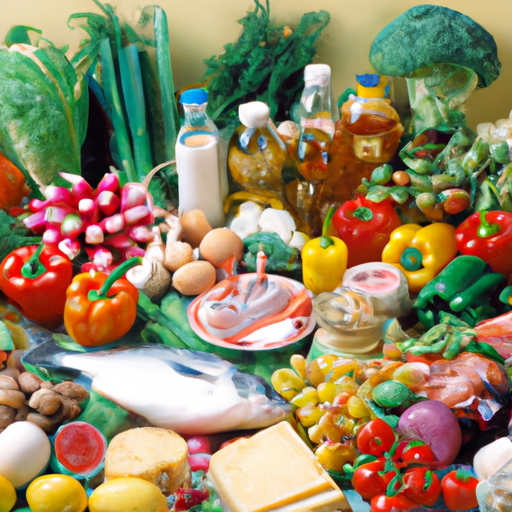
Mediterranean Diet and Anti-Inflammation
How Mediterranean Diet Fights Inflammation
The Mediterranean diet, with its high content of fruits, vegetables, lean proteins, and especially healthy fats from olive and fish, has potent anti-inflammatory properties.
Key Anti-Inflammatory Elements of the Mediterranean Diet
- Olive Oil: Olive oil is rich in monounsaturated fat and antioxidants, which have potent anti-inflammatory properties.
- Fish: Fish contain long-chain omega-3 fats that can decrease inflammation.
- Fruits and vegetables: they’re high in natural antioxidants and polyphenols, protective compounds found in plants.
Impact of the Mediterranean Diet on Specific Conditions
Cutting-edge research suggests the Mediterranean diet offers beneficial effects on many health conditions:
Effects on Cardiovascular Health
This diet can significantly lower the risk of heart disease by improving blood pressure, cholesterol, and triglyceride levels.
Benefits for Diabetes Management
The emphasis on whole grains, fruits, vegetables, healthy fats, and lean protein helps maintain blood sugar levels and improve insulin sensitivity.
Implications for Weight Control
The generous amounts of fiber in this diet help folks feel fuller longer, aiding in weight management.
Scientific Evidence Supporting Mediterranean Diet as Anti-Inflammatory
Key Research Findings
Numerous studies have shown that people who adhere to the Mediterranean diet are less likely to suffer from inflammation-related diseases.
Limitations and Further Study
While the Mediterranean diet has been linked to lower inflammation levels, further research is needed to understand its impacts fully.
Committing to the Mediterranean Lifestyle
It isn’t just about changing food habits, but embracing a holistic lifestyle:
Incorporating the Diet into Daily Life
It’s easy to make simple swaps to align your eating with the Mediterranean diet.
Overcoming Challenges and Misconceptions
Don’t be put off by the myth that the Mediterranean diet is expensive or difficult to follow.
Sophisticated and Simple Recipe Ideas for Families
This diet can be versatile, and there are plenty of easy recipes that the entire family will enjoy.
Stories and Experiences
JD’s Personal Journey with the Mediterranean Diet
JD’s journey with the Mediterranean diet began a few years ago when he was seeking ways to improve his health. Little did he know then, it would become a lifestyle.
Real Life Examples of the Mediterranean Diet’s Benefits
JD, along with several others, have experienced firsthand the tremendous benefits of the Mediterranean diet.
Sustaining Health and Wellness through the Mediterranean Diet
Changing Eating Behaviors for Long Term Benefits
Commitment to the lifestyle will give you long-term benefits such as reduced risk of chronic illnesses and improved overall well-being.
Role of Regular Exercise
Physical activity is another vital aspect of the Mediterranean lifestyle.
Maintaining the Balance – Moderation and Variety
It’s not just about restriction but consuming a variety of foods in moderation to get a broad range of nutrients.
Conclusion: The Mediterranean Diet as an Approach to Anti-Inflammation and Holistic Health
So to answer our initial question: Yes, the Mediterranean diet is indeed anti-inflammatory! But it’s not just about eating right; it’s about living well. By following the Mediterranean lifestyle, you nourish your body with high-quality, nutritious foods, but you also cultivate quality of life with family, friends, and physical activity. Here’s to your health!
Leave a Reply