In this discussion, we’ll uncover whether white rice has a place on your Mediterranean diet. You’ll gain insights into its health profiles and if it aligns with the nutritional goals of this diet. By the end, you’ll know how to incorporate or substitute white rice in your Mediterranean meals, ensuring you can continue to enjoy food with your family in a healthy manner.
Understanding the Mediterranean Diet
Definition of the Mediterranean Diet
Originating from the eating habits of countries surrounding the Mediterranean Sea, the Mediterranean diet encompasses a lifestyle of enjoying whole foods and regular physical activity. This time-honored diet features fresh fruits and vegetables, hearty grains, fish, olive oil, and limited amounts of meat and dairy. It encourages balance, moderation, and enjoyment of food.
Essential components of the Mediterranean Diet
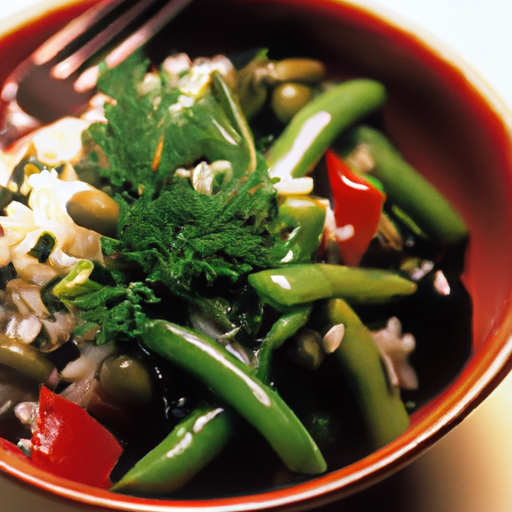
A Mediterranean plate is a kaleidoscope of colors and flavors. You’ll see lavish greens, ripe tomatoes, succulent olives, spicy garlic, and luscious nuts. Key components include lean proteins such as fish and poultry, whole grains, and plenty of fresh fruits and vegetables. Healthy fats like olive oil replace butter, and herbs and spices take the place of salt.
Benefits of the Mediterranean Diet
From boosting heart health to fostering a healthy weight, the Mediterranean diet has myriad benefits. It is associated with lower risks of chronic diseases like heart disease, cancer, and diabetes. It also promotes brain health and longevity.
Role of Carbohydrates in the Mediterranean Diet
Importance of Complex carbohydrates
Carbohydrates, specifically complex ones, are one of the cornerstones of the Mediterranean diet. They provide needed energy and dietary fiber. Whole grains, vegetables, and fruits are excellent sources of complex carbohydrates, boasting high nutrient and fiber content.
Effect on Overall Health
A diet rich in complex carbohydrates can help maintain a healthy weight, regulate blood sugar, and reduce the risk of chronic diseases. Balanced intake of complex carbohydrates also supports healthy digestion and promotes sustained energy levels throughout the day.
Recommended Intake
Although no specific carbohydrate intake is prescribed in this diet, foods rich in complex carbohydrates should form the bulk of your meals. This includes plenty of vegetables, fruits, beans, and whole grains, making every plate colorful, diverse, and nutritious.
White Rice in General Nutrition
Nutrient Content of White Rice
White rice is a source of carbohydrates, protein, and trace minerals. However, compared to whole grains, it falls short as it lacks some key nutrients like fiber and B vitamins due to the refining process.
Comparison of White Rice to Other Grains
When compared to whole grains like brown rice, quinoa or bulgur, white rice has less fiber, fewer nutrients, and a higher glycemic index, meaning it can spike your blood sugar levels more than whole grains.
Potential Health Impacts of Excessive White Rice Consumption
Eating white rice in excess could lead to weight gain and increase the risk of type 2 diabetes. It’s less satiating than whole grains due to lower fiber content, making you more likely to overeat.
Mixing White Rice with Other Ingredients
Influence of Cooking Methods on Nutritional Value
How you cook your rice can also impact its nutritional value. For instance, boiling rice in plenty of water and then draining off the excess, like pasta, can reduce its calorific value.
Combining with Vegetables or Lean Proteins
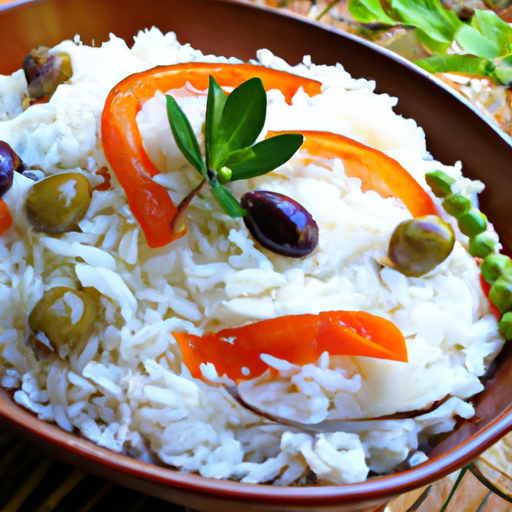
To balance the nutrient profile of white rice, consider combining it with fiber-rich vegetables, lean proteins like chicken or fish, or legumes like lentils and chickpeas. This can make a meal more balanced and satiating.
Using Herbs and Spices to Enhance Flavor
Enrich your recipes with herbs and spices not only to enhance the flavor but also to increase the nutritional content. Think saffron for a yellow rice, turmeric for a warm golden touch, or aromatic herbs like thyme or rosemary.
Moderation: Key Principle in Mediterranean Diet
Understanding the Concept of Moderation in Diet
Moderation is a key principle of the Mediterranean Diet, which eschews the concept of “good” or “bad” foods in favor of balanced eating. Moderation means savoring small portions of all foods and avoiding excess.
Implementing Moderation with White Rice
When it comes to white rice, moderation is the goal. Include it in your diet, but don’t let it crowd out whole grains. Use it as one component of a balanced meal, rather than the main attraction.
Balance with Other Food Groups
Ensure white rice is balanced with protein, healthy fats, and plenty of vegetables. This will keep your nutrient intake varied and help you maintain a healthy weight.
Alternatives to White Rice
Whole Grains in the Mediterranean Diet
Whole grains are a crucial part of the Mediterranean diet. They include foods like brown rice, quinoa, bulgur, farro, and oats. These grains are rich in fiber, protein, and other nutrients.
Recommended Grains and Their Benefits
Brown rice, for instance, provides more fiber and vitamin B than white rice. Quinoa, touted as a superfood, is high in protein and various minerals. Each grain brings something unique to the table, both nutritionally and flavor-wise.
Incorporating Alternatives in Meals
Try swapping white rice for whole grains in your usual recipes. Use brown rice in your risotto, cook your curry with quinoa, or toss bulgur in your salad.
Maintaining Balanced Diet and Active Lifestyle
Importance of Physical Activity
Remember, the Mediterranean lifestyle isn’t just about food. Regular physical activity is a key component, whether that’s walking, running, swimming, or doing chores around the house.
Effect of Balanced Diet on long-term Health
Maintaining a balanced diet and active lifestyle can have a significant effect on your long-term health. It can help you maintain a healthy weight, reduce the risk of chronic diseases, enhance mood, and promote overall well-being.
Balancing Indulgence and Restraint
The Mediterranean diet teaches you to savor every bite, enjoy the food, and nourish your body. It encourages a balance between indulgence and restraint, offering a lifestyle that is both pleasurable and healthful.
Food as a Source of Joy and Connection
Sharing Meals with Family and Loved Ones
Food isn’t merely about fueling the body. It’s a source of joy, a chance to connect with loved ones, and an opportunity to create cherished memories. There’s no such thing as a solitary meal in the Mediterranean lifestyle. Every meal is a celebration, shared with family and friends.
Creating Joyful and Healthy Eating Habits
By creating joyful, healthy eating habits, you foster an enduring relationship with food. Cooking meals from scratch, choosing whole and fresh ingredients, sitting down to eat without distractions – these practices can transform eating into a joyous daily ritual.
Importance of Meal Planning and Preparation
Planning and preparing meals can help you maintain a balanced diet and reduce stress around mealtimes. It also allows you to infuse creativity into your dishes and experiment with new flavors and ingredients.
Personal Stories and Recipes Using White Rice
JD’s personal experiences with white rice
As a child, JD grew up with bowls of white rice as a staple in meals. As he adopted the Mediterranean lifestyle, he learned to balance and enjoy white rice in moderate amounts, alongside other whole grains, maintaining his health and memories.
Healthy and Flavorful Mediterranean Rice Recipes
Try JD’s favorite paella recipe, a sumptuous Spanish rice dish loaded with seafood, chicken, and lots of vegetables. Or, savor the Lebanese stuffed zucchinis, where white rice is mixed with lean meat and spices, tucked into green zucchini, and cooked in a tangy tomato sauce.
Readers’ Experiences and Advice
Some readers have shared how they’ve replaced white rice entirely with whole grains, while others still enjoy it occasionally. Everyone agrees though: balance and moderation are key in the Mediterranean lifestyle.
Conclusion: White Rice in the Context of the Mediterranean Diet
Summary of white rice in general nutrition
So, is white rice ok on the Mediterranean Diet? Yes, in moderation and as part of a balanced meal. Though it’s less nutritious than whole grains, it can certainly have a place in your diet when balanced with other nutrient-dense foods.
Key Takeaways for Including White Rice in Mediterranean Diet
The Mediterranean diet is not about restriction, but fostering a balanced, fulfilling relationship with food. Consuming white rice in context with a diet rich in fruits, vegetables, lean proteins, and healthy fats yields the best results for health and enjoyment.
Final words from JD
JD encourages everyone to explore the colorful, flavorful world of Mediterranean diet, where white rice can be enjoyed as a part of a diverse, balanced meal. It’s not just about what’s on your plate, but also how you share and enjoy your food. As they say in the Mediterranean, “Buon Appetito!”
Leave a Reply