Immerse yourself in the timeless allure of the Mediterranean as you prepare the classic hummus recipe—a cornerstone of this world-renowned cuisine. There’s so much more to food than just eating, and that’s especially true when it comes to the Mediterranean diet. With its emphasis on plant-based, nutrient-rich foods, it has garnered accolades for promoting heart health and longevity. Hummus, a creamy and versatile dip, contributes to the diet’s rich tapestry with its unique blend of chickpeas, tahini, olive oil, garlic, and lemon juice.
As you embark on this culinary endeavor, you’ll be given in-depth instructions designed to guide you through every step of the process, ensuring your hummus emerges as a tantalizing treat that leaves your taste buds thrilled. From the exact quantities of fresh ingredients you’ll need to curate your masterpiece, to the meticulous steps of preparation that mirror the age-old culinary traditions of the Mediterranean region, every detail will be diligently outlined. Indeed, this isn’t just a recipe—it’s a ticket to the profound gastronomic adventures that the Mediterranean diet generously offers.
Introduction
You are about to embark on a culinary journey to the Mediterranean — the home of the classic hummus dish. Hummus is a staple food in many Mediterranean and Middle Eastern countries. Not only does it taste great, but it also fits perfectly into the wholesome Mediterranean diet, known for its numerous health benefits. This creamy and delicious spread is predominantly made from chickpeas, which are a great source of plant-based protein and fiber. Ready to don your chef’s hat and embrace the enticing flavors of the Mediterranean cuisine? Let’s dive in!
Ingredients
To make enough hummus for four adults, you will need the following ingredients:
Chickpeas
A cup of cooked chickpeas will be your primary ingredient. Chickpeas are the heart and soul of the dish, providing creaminess and a slightly nutty taste.
Tahini
Half a cup of tahini will give your hummus that authentic Mediterranean flavor. Tahini, a paste made from sesame seeds, adds a unique richness to the hummus.
Garlic
Three cloves of garlic are enough to give a noticeable hint of flavor without overpowering the other ingredients.
Lemon juice
Two tablespoons of lemon juice will provide a refreshing tang to balance out the richness created by the chickpeas and tahini.
Olive oil
A quarter cup of quality olive oil will lend your hummus added richness and smooth consistency.
Salt
One teaspoon of salt will enhance the other flavors, bringing them all together.
Water
Approximately one-quarter cup of water will help you achieve the desired consistency of your hummus.
Paprika
A sprinkle of paprika will provide a burst of color and slightly smoky flavor.
Parsley
Fresh parsley, finely chopped, is used primarily for garnish, complementing the taste of your hummus while adding a touch of greenery.
Cooking and Preparation Instructions
Step 1: Prep the Chickpeas
If you’re using canned chickpeas, rinse them well. If you prefer to use dried chickpeas, you’ll need to soak them overnight and boil them until they are tender.
Step 2: Blend the ingredients
Throw the prepared chickpeas, tahini, garlic, lemon juice, olive oil, and salt in a food processor. Blend until the mixture turns into a smooth paste.
Step 3: Adjust the consistency
If your hummus is too thick, gradually add water until it reaches your preferred consistency. Remember to add the water slowly to ensure that you don’t overdo it and end up with soupy hummus.
Step 4: Serve and garnish
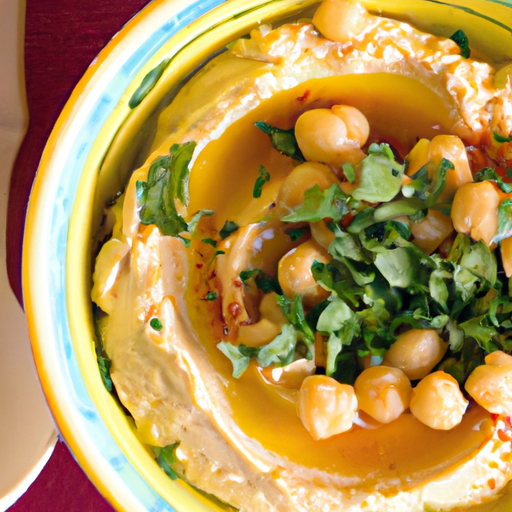
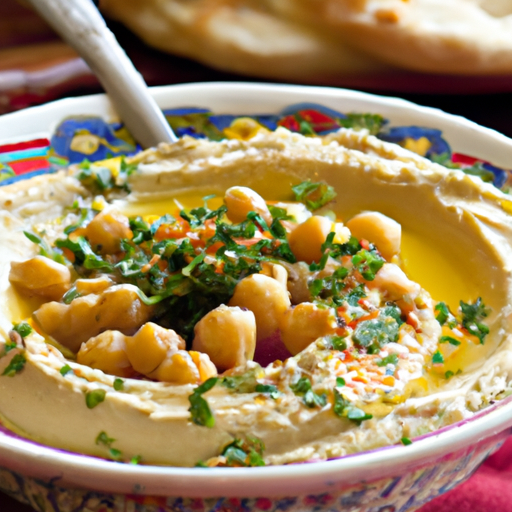
Transfer your hummus to a bowl, create a small well in the center, sprinkle with paprika and drizzle a bit of olive oil. Add your parsley garnish, and voilà! You can serve your homemade hummus with freshly baked pita bread or vegetable sticks.
Options/Substitutions
Flavor Variations
Try adding roasted red peppers or sun-dried tomatoes to the food processor for a vibrant version of hummus. For those who like a bit of heat, swirl in some hot sauce or chopped jalapeños.
Texture Variations
Coarsely blend the chickpeas if you prefer your hummus to have more texture.
Garnish Variations
While paprika and parsley are traditional garnishes, feel free to get creative. Consider alternatives such as pine nuts, a sprinkle of cumin, or even some Za’atar for different flavor profiles.
Conclusion
Making your own homemade classic Mediterranean hummus is simple, fun, and undoubtedly satisfying. The heavenly combination of chickpeas, tahini, garlic, lemon juice, and olive oil, coupled with your choice of garnish, promises a delicious, versatile, and healthy dip. Moreover, the potential to experiment with different flavors ensures this hummus will never become routine. Enjoy the process and indulge in the excellent outcome; after all, the best food is the one cooked with love!
Leave a Reply