Ah, the Mediterranean Greek Halva. Infused with the heart-warming flavors of the Mediterranean, this little gem is a simple symphony of classic Greek ingredients that delivers a punch of delightfully unexpected and unforgettably delicious taste sensations. As part of the Mediterranean diet, the Greek Halva stands out not only for its seductive taste but also for its health merits. It is a culinary masterpiece rich in plant-based protein, fiber, and healthy fats that are vital for maintaining optimal health.
This Greek Halva recipe will serve as your guide to creating a dessert masterpiece right in your home kitchen. The article ahead provides you with precise measurements and detailed instructions, ensuring that your end result is as tantalizing as the one served in a Mediterranean seashore restaurant. Get ready for a well-illustrated, step-by-step guide, complete with alternative options and substitutions, to accommodate even the most intricate dietary preferences. Prepare yourself for an enchanting culinary journey through the exotic Mediterranean right from the comfort of your home.
Introduction
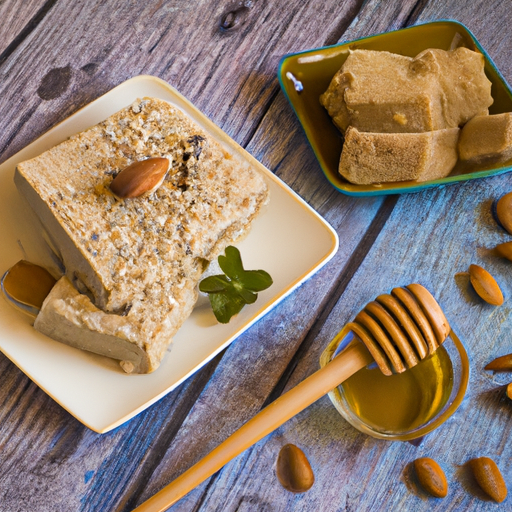
Let’s dive into the sweet flavors of the Mediterranean with this delicious Greek Halva recipe! This dish perfectly encapsulates the essence of the Mediterranean Diet, focusing on healthy but flavorful ingredients. Halva is a traditional dessert enjoyed throughout Greece and the Eastern Mediterranean. While there are numerous variations, this recipe highlights the ever-popular semolina-based version known for its light yet satisfying texture and subtly sweet taste. With simple ingredients and a straightforward method, this recipe is accessible to even novice cooks. Gather your ingredients and get ready for a sweet adventure!
Ingredients
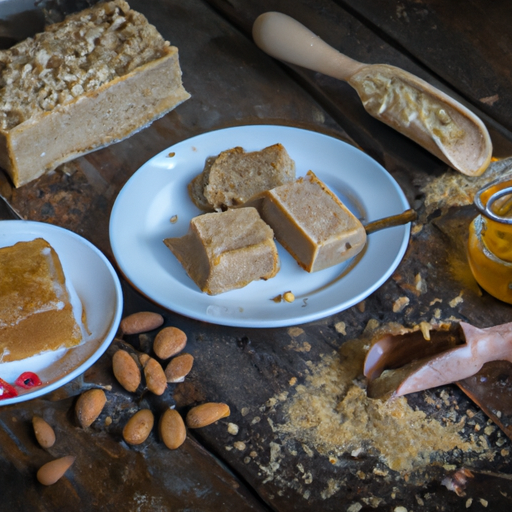
The magic of this dish relies on the perfect harmony between nine ingredients. To make Halva that serves four, you will need the following:
- 1 cup fine semolina (essential for the dish’s classic texture),
- 1 cup granulated sugar (to add the perfect amount of sweetness),
- 1 cup water (for creating the syrup),
- 1 cup extra virgin olive oil (a staple in Mediterranean cuisine)
- 1 cup chopped almonds (which offer a complementary crunch against the soft semolina),
- 1 teaspoon ground cinnamon (to provide a warming spice note),
- 1 teaspoon vanilla extract (a depth-enhancer flavor),
- 1/4 teaspoon salt (to highlight the sweet flavors),
- 1/4 cup honey (for a final drizzle of sweetness), and
- Powdered sugar for dusting (adds an extra touch of sweetness and aesthetics).
Cooking and Preparation Instructions
Creating this Mediterranean dessert involves a step-by-step process that’s as pleasurable as the final product. Below are the steps you need to follow:
Step 1: Toast the semolina
Start by toasting the semolina in a large non-stick pan over medium heat. Stir continuously until the semolina is evenly golden brown. Once toasted, remove it from the heat and set aside.
Step 2: Prepare the syrup
Next, prepare the syrup. In a saucepan, combine the sugar and water and bring to a boil. Once boiling, reduce the heat and simmer, stirring occasionally until the sugar has dissolved completely. Once the syrup is completed, set it aside.
Step 3: Cook the semolina
Now bring out your large pot to heat the olive oil. Once heated, add in the toasted semolina. Stirring continuously, cook until the semolina takes on that beautiful golden brown color, a sign that flavor and texture are developing beautifully.
Step 4: Add the almonds and flavorings
At this stage, it’s time to add your mix-ins. Incorporate the chopped almonds, taking the time to stir well, followed by the warm spice of ground cinnamon, the rich depth of vanilla extract, and the hint of salt. Ensure these ingredients are thoroughly mixed in and have enhanced the semolina beautifully.
Step 5: Shape and cool the halva
Once everything is combined beautifully, transfer your halva mixture into a greased mold or baking dish, pressing it down firmly and evenly. Allow your creation time to cool at room temperature, then cover and refrigerate for at least 2 hours (or until firm) to allow the flavors to meld.
Step 6: Serve and enjoy
When ready to serve, carefully remove your halva masterpiece from its mold or dish. Cut into slices or squares for serving. Drizzle each piece with a generous amount of honey and a dusting of powdered sugar for a touch of extra sweetness. Now it’s time to savor your delicious Mediterranean dessert!
Options/Substitutions
The versatile nature of Halva means that you can play around with a few different additions or substitutions. Consider adding in some raisins or dried fruits for an extra burst of sweetness and texture. If almonds aren’t to your liking, try substituting with walnuts or pistachios. For spices, feel free to experiment with cardamom or nutmeg instead of cinnamon. If you’d prefer to use a different oil, vegetable oil can work in this recipe, too. Lastly, if honey is not to your liking, you might opt to substitute it with maple syrup or agave nectar.
Conclusion
There you have it – your very own homemade Greek Halva! This traditional yet simple dessert is not just a treat to your taste buds, but also introduces you to the beauty of Mediterranean culinary practices. Its capacity for customization makes it a winner for both cooking enthusiasts and beginners, and its robust flavors ensure it’s an instant hit at any gathering. So go ahead, don your apron, wield that wooden spoon with flair, and immerse yourself in the joy of creating this Mediterranean delight! And as they say in Greece, Kali Orexi, or ‘Bon Appetit’!
Leave a Reply