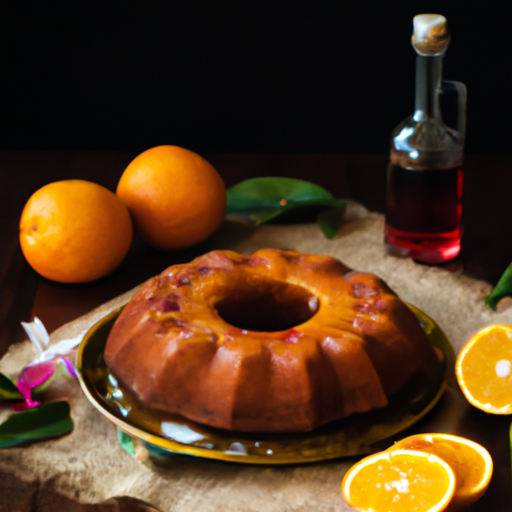
Imagine yourself in a sun-kissed kitchen, the gentle aroma of Mediterranean Orange and Semolina Syrup Cake wafting through the air as it bakes to perfection. This captivating sweet delight, popular in the regions surrounding the Mediterranean Sea, is an exemplary testament to the Mediterranean Diet’s versatility and vibrancy. It is not merely a cake; it’s an expression of culture, a rich, wholesome dessert filling your home with the fragrant allure of the coastal orchards.
This delightfully citrus-infused dessert taps into the purity of organic, nutrient-dense ingredients inherent to the Mediterranean lifestyle. Precise measurements and carefully selected ingredients are the secrets to this cake’s enduring appeal. From the exact proportion of semolina to the right amount of real orange zest, every component plays a crucial role in recreating this Mediterranean magnificence. As you journey through this recipe, you will find detailed preparation instructions, along with thoughtful suggestions for substitutions where necessary, contributing to an unforgettable culinary adventure.

Mediterranean Orange and Semolina Syrup Cake Recipe
The Mediterranean diet is known for its diverse range of flavors, and this Mediterranean Orange and Semolina Syrup Cake is no exception. With its zesty, citrusy sweetness and a unique, pleasing texture from semolina, this cake is a perfect dessert to enjoy after a hearty Mediterranean meal. A slice of this delightful cake paired with a cup of Greek coffee is just the perfect way to wind down a relaxing afternoon. Now let’s get into the specifics of what you’ll need to whip up this delight.
Ingredients
For this cake, here’s everything that you would need, with exact measurements for a cake that serves four adults.
Semolina
To give our cake its distinctly grainy texture, we will be using 1 cup of semolina. Semolina is a coarse pale-yellow flour ground from hard durum wheat.
Sugar
Adding sweetness to our cake will be 1 cup of sugar.
Baking powder
To provide lift and volume, we’re going to need 1 teaspoon of baking powder.
Ground almonds
½ a cup of ground almonds will provide a depth of flavor and a bit of nuttiness to contrast the citrus notes.
Eggs
Three fresh eggs will act as the binder, providing structure to our cake.
Plain Greek yogurt
One cup of plain Greek yogurt will add an additional moistness and a subtle tanginess to balance the flavors.
Orange zest
We will need the zest of two oranges. This will infuse our dessert with refreshing citrus flavors.
Orange juice
To enhance the orange flavor and keep the cake moist, we’ll be needing the juice from those two oranges we’ve just zested.
Olive oil
Adding a Mediterranean touch, we will need ½ a cup of olive oil to keep the cake extra moist and rich.
Vanilla extract
Finally, to bring all these flavors together beautifully, we will need a teaspoon of vanilla extract.
Cooking and Preparation Instructions
Now that you have all your ingredients ready, we can dive into the actual baking process.
Preheat the oven
Start by preheating your oven to 350°F (180°C). This will ensure your cake begins baking as soon as it enters the oven.
Prepare the cake tin
While your oven is preheating, prepare your cake tin. Grease a 9-inch round cake tin with a little olive oil and line it with parchment paper.
Mix dry ingredients
In a large bowl, combine the semolina, sugar, baking powder, and ground almonds. Mix them together until evenly distributed.
In a separate bowl
In another bowl, beat the eggs and then add the Greek yogurt, orange zest, orange juice, olive oil, and vanilla extract. Whisk these together until you have a smooth mixture.
Combine wet ingredients to dry
Now, slowly pour the wet mixture into the dry ingredients, stirring continuously until you have a well-combined batter.
Pour the batter into the tin
Next, transfer the batter into your prepared cake tin, smoothing the top with a spatula.
Bake the cake
Place the tin in the preheated oven and bake for about 40-45 minutes or until the top is golden and a cake tester comes out clean.
Make the syrup
While your cake is baking, let’s prepare the syrup. In a small saucepan, combine equal parts of sugar and orange juice. Simmer until the sugar is completely dissolved.
Pour the syrup over the cake
Once the cake is ready and while it’s still hot, evenly pour the syrup over it. Allow it to completely absorb the syrup before serving.
Options/Substitutions
This recipe is quite flexible and you can easily modify it based on dietary needs or preferences.
Gluten-free version
You can substitute the semolina with a gluten-free flour blend for a gluten-free cake.
Non-dairy version
For a dairy-free version, use a dairy-free yogurt in place of the Greek yogurt.
Different citrus flavors
Try substituting the orange zest and juice with lemon or lime for a different citrus twist.
Nuts and spices variations
Swap out the almonds with other nuts like pistachios or walnuts, or spice it up with a touch of cinnamon or nutmeg.
Serving suggestions
This cake is excellent on its own, but you can also dress it up with a dollop of Greek yogurt or a scoop of vanilla ice cream.
Tips and Tricks
To ensure that your cake turns out perfect every time, here are some tips and tricks that you might find useful.
Soaking the semolina
Consider soaking the semolina in the Greek yogurt for an hour before starting with the recipe. This will soften the grains and provide a more pleasant texture to the cake.
Using freshly squeezed orange juice
Using fresh, rather than bottled, orange juice will give you the most vibrant citrus flavor.
Adding a touch of liqueur
You can add a touch of orange-flavored liqueur to the batter to further increase the citrus notes.
Sifting the dry ingredients
For a lighter cake, sift the dry ingredients before mixing.
Testing for doneness
To check if your cake is done, insert a skewer or a toothpick in the middle of the cake. If it comes out clean, your cake is ready.
Conclusion
This Mediterranean Orange and Semolina Syrup Cake recipe is packed with bright, Mediterranean flavors and has a unique texture that is sure to impress. With its versatility and adaptability, you can modify it to suit your dietary needs and flavor preferences. This is just one of the delightful gems you can find in the Mediterranean cuisine.
Don’t forget to check our blog at www.mediterraneandietrecipes.net for more delicious and healthy Mediterranean recipes that you can try at home. Enjoy baking and savor every bite of this delicious and nutritious Mediterranean dessert.
Leave a Reply