Embrace the vibrant flavors of the Mediterranean with the sumptuous ‘Mediterranean Semolina and Olive Oil Bread Recipe.’ This toothsome delight is a quintessential part of the Mediterranean diet – brimming with the soft texture of semolina flour and the heart-healthy benefits of olive oil. Watch how its simplistic yet unique character adds charm to your meals. With the precise ingredients designed for four servings, detailed cooking steps, potential ingredient substitutions, and a closure ideally tying everything together, you’ll see how easy and flavorful preparing this bread can be. So, let’s set the kitchen counter rolling and invite the rich, luscious Mediterranean essence into your home.
Introduction
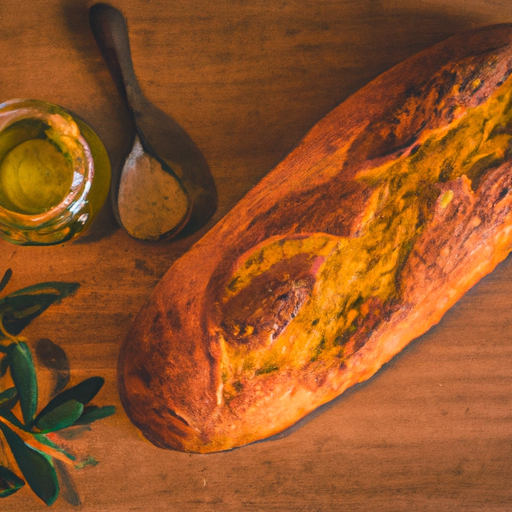
Mediterranean Semolina and Olive Oil Bread is a delightful treat that is a staple in Mediterranean cuisine. This bread, characterized by its rich, warm, and nutty flavors, truly represents the healthy and simple elements that make up the Mediterranean diet. Not only is it delectable, but it’s also remarkably healthy and rich in fiber, making it an irresistible bread choice—all thanks to the key ingredients like semolina flour, olive oil, and yeast.
Ingredients
To create this delicious bread, you’ll need the following ingredients:
- 2 cups of semolina flour: This will give your bread its characteristic yellow color and unique flavor.
- 1 cup of all-purpose flour: This helps in maintaining a lighter, fluffier texture in the final product.
- 2 teaspoons of active dry yeast: An essential ingredient, yeast enables the dough to rise and acquire its soft texture.
- 1 and a 1/4 cups of warm water: Plays a crucial role in activating the yeast and forming the dough.
- A quarter cup of extra virgin olive oil: It infuses the bread with a rich, earthy flavor typical of the Mediterranean diet.
- 1 teaspoon of salt: This will enhance all the other flavors in the bread.
- 1 tablespoon of honey: This is our secret ingredient! It will add a mild sweetness and a beautiful golden crust to your bread.
Mixing the Dough
To make the most out of the above-mentioned ingredients, precise preparation is a must.
Proofing the yeast
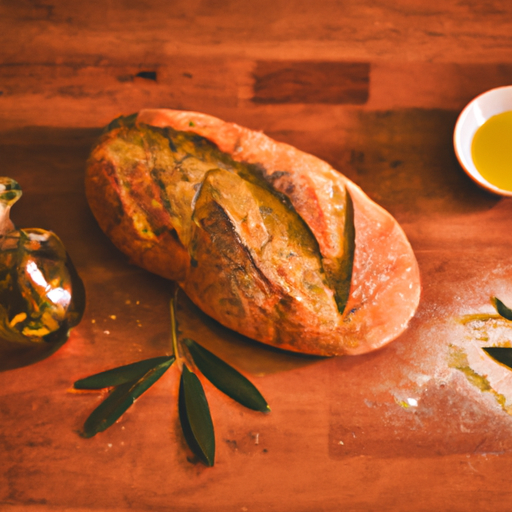
Begin by proofing the yeast. Mix the yeast with warm (not hot) water and a small amount of honey. Give it a stir and let it sit for about five minutes until it becomes frothy. This process is vital as it wakes up the yeast and gets it ready to do its job in the dough.
Combining the flours and salt
Next, combine the semolina flour, all-purpose flour, and salt in a large mixing bowl. Make a well in the center – this is where you’ll pour the yeast mixture.
Adding yeast and olive oil
Pour the yeast mixture and olive oil into the well you’ve made in your flour. The olive oil will give your dough that distinct Mediterranean flavor, and assist in achieving the perfect consistency of the dough.
Mixing the dough
Now comes the fun part – mixing! Use a sturdy spoon to stir everything together until a dough starts to form. After you’ve stirred it as much as you can with a spoon, you will need to start using your hands to really bring the dough together.
Kneading the dough
Knead the dough for about 10 minutes until it’s smooth and elastic. This technique develops the gluten in the flour, which will give your bread a great texture.
Letting the dough rise
Finally, cover the dough in a warm place and let it rise for about 1-2 hours or until it doubles in size. This step is essential for that soft, airy texture all bread lovers strive for!
Shaping and Final Rise
Once the dough has doubled in size, it’s time to give it the final touches before baking.
Dividing the dough
Start by gently taking out the dough from the bowl and dividing it into two equal halves. This step is essential to ensure both loaves baked are uniform in size.
Shaping the loaves
Roll each dough piece to shape it into a standard loaf. You could experiment with other shapes if you fancy. Just make sure you slightly flatten it to allow for even baking.
Final rise
Now, let these shaped dough loaves rest and rise for another hour. This second rise makes the bread even fluffier and lighter.
Baking the Bread
Once the bread has risen, it’s time to bake!
Preheating the oven
Preheat your oven to 375 degrees Fahrenheit (190 degrees Celsius). A thoroughly heated oven ensures that the bread starts baking as soon as it enters the oven, enabling the uniform baking of the bread.
Scoring the loaves
Just before placing your dough in the oven, make some shallow cuts on top of your loaves with a sharp knife. Scoring allows for the steam to escape and helps to create a beautiful pattern on the crust.
Baking the bread
Bake the bread for about 25-30 minutes or until the top is golden brown, and the bottom sounds hollow when you tap it.
Checking for doneness
The exact baking time can depend on individual ovens, so keep an eye on your loaves. An instant-read thermometer is a reliable tool to check if your bread is done. The interior of the bread should register 190-200 degrees Fahrenheit.
Options and Substitutions
This recipe, like any other, can be modified to suit individual preferences.
- You could substitute all-purpose flour with whole wheat flour for a more wholesome and hearty bread.
- Infuse the dough with herbs like rosemary, thyme, or oregano for a more flavorful twist.
- Experiment with different types of oils like sesame or avocado to create a different flavor profile.
Conclusion
Baking homemade bread might seem like a daunting task, but now that you are equipped with this recipe for Mediterranean Semolina and Olive Oil Bread, it couldn’t be easier. Now, go ahead and fill your kitchen with the warm and comforting aroma of freshly baked bread. One bite of this delectable treat and you’ll be transported straight to the Mediterranean. Enjoy your bake!
Leave a Reply