In the expansive world of Mediterranean cuisine, there is an elegant gem that often goes unnoticed outside of Turkish households – Mediterranean Simit, famously known as Turkish Bagels. Your taste buds are in for a treat as this culinary treasure, steeped in tradition and infused with the rich flavors of the Mediterranean, is about to take center stage in your kitchen. With this recipe, you will be crafting these delicious bagels from the freshest ingredients to ensure every bite is an authentic taste adventure.
Accompanying you on this gastronomic journey, we will embark on the process in a step-by-step manner, established for clarity and ease. First, revealing exactly what this delicacy is and its significance in the Mediterranean Diet, lending an insight about its health benefits and cultural history. Next, we will meticulously map out a comprehensive list of the necessary ingredients, exact measurements included for precision and consistency. Following that, a detailed, easily comprehendible cooking guide will escort you through the process of creating these marvelous bagels. We will also provide some potentially beneficial substitutions, and finally wrap up the process with a thoughtful conclusion. Brace yourself for a delightful culinary voyage with this Mediterranean Simit Recipe!
Introduction
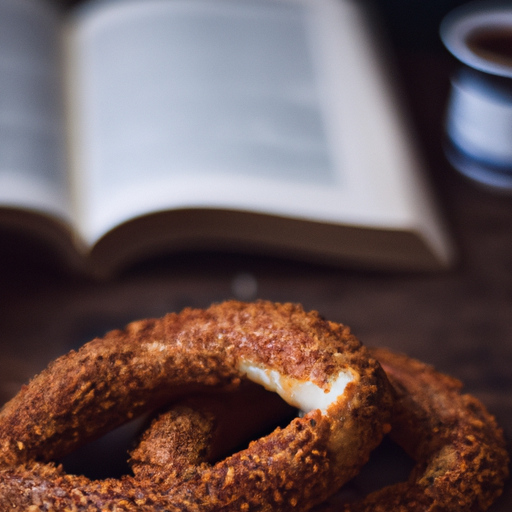
Bagels are a popular breakfast item across the world, but did you know that its Mediterranean cousin, the Simit, brings a unique twist to this staple bread? Also known as the Turkish Bagel, the Simit are treasured in Turkey and other parts of the Mediterranean for their delightful combination of fluffy inner texture and a crunchy crust generously topped with sesame seeds. Health-conscious folks love these simit for their high fiber content which makes them a perfect fit for the Mediterranean diet that is rooted in foods rich in fibers, healthy fats, and lean proteins. Relatively easy to prepare, these bagels can bring the tantalizing flavors of the Mediterranean to your breakfast table.
Ingredients
To prepare Simit for 4, gather the following ingredients:
For the dough
- 500 grams all-purpose flour
- 1 tablespoon granulated sugar
- 1 teaspoon salt
- 2 teaspoons dry yeast
- 2 tablespoons olive oil
- 300 milliliters warm water
For topping
- 100 grams sesame seeds
For boiling
- 1 tablespoon molasses
- 500 milliliters water
For brushing
- 1 egg
Preparation
Let us jump straight into how to prepare this deliciousness.
Step 1: Prepare the dough
In a large bowl, combine the flour, sugar, salt, and dry yeast. Add in the olive oil and gradually mix in the warm water. Knead the dough until it is smooth and elastic. Cover the bowl and let the dough rest for about an hour, or until it doubles in size.
Step 2: Shape the simit
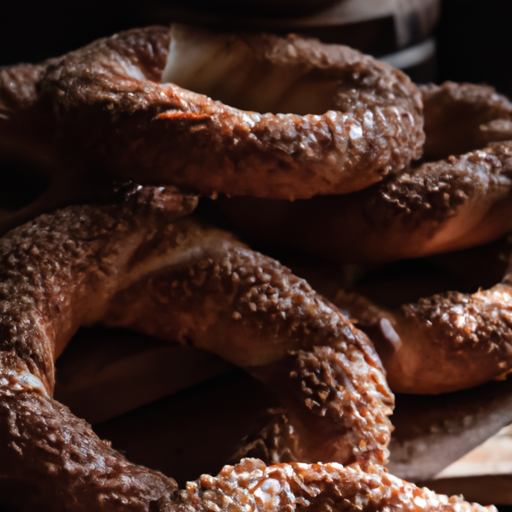
Divide the dough into 8 even pieces. Roll each piece into a long, thin rope and then twist two ropes together, forming a braided ring. Press the ends together to complete the circle. Repeat with the remaining dough pieces.
Step 3: Boiling the simit
Combine the molasses and water in a saucepan and bring to a boil. Dip each of the braided simit into this mixture and drain well.
Step 4: Topping and baking the simit
Preheat your oven to 200 degrees Celsius. Dip each boiled simit into the sesame seeds, making sure they are evenly coated. Place them on a baking sheet lined with parchment paper and then brush each with the beaten egg. Bake for 20-25 minutes until golden brown.
Options/Substitutions
This recipe is versatile and can be tweaked to accommodate dietary needs or preferences.
Gluten-free option
You can replace the all-purpose flour with a gluten-free flour blend.
Vegan option
Omit the egg used for brushing, and you can use a mixture of olive oil and plant-based milk instead.
Flavor variations
For a flavor twist, try adding some dried herbs into the dough or use different seeds for the topping such as poppy or sunflower seeds.
Cooking Tips
Getting the perfect simit might take a few tries, but the following tips can help:
Proper shaping technique
Ensure the dough ropes are equally sized before twisting them together. Uneven ropes might cause the simit to break while baking.
Perfect boiling time
The molasses mixture should only lightly coat the simit. Overboiling may result in a tough crust.
Adding seeds evenly
Roll the simit in the seeds thoroughly for an even coating. This would also prevent the seeds from dropping off when baking.
Storing and reheating
Storing the simit in an airtight container would help retain its freshness. To reheat, place them in an oven heated at 150 degrees Celsius for about 5 minutes.
Conclusion
With some practice, you’ll soon be baking this Mediterranean delight like a pro! Incorporate simit into your breakfast routine to add a hearty, fiber-rich option that aligns with the nutritious principles of the Mediterranean diet. Enjoy them plain, with cream cheese, or any topping of your choice. Relish the crunch of every bite that speaks of the culinary brilliance of Mediterranean cuisine. Happy baking!
Leave a Reply