In this friendly discussion, you’ll uncover the three major attributes of the Mediterranean Diet. Throughout our journey, you’ll learn about various aspects of this healthful diet and how it can benefit not only your health, but also enhance the quality of your family meals. Since high-quality food and family time are integral parts of this dietary approach, we’ll focus on these aspects for an enriching read. Be ready to add value to your knowledge regarding the Mediterranean Diet.
What is the Mediterranean Diet?
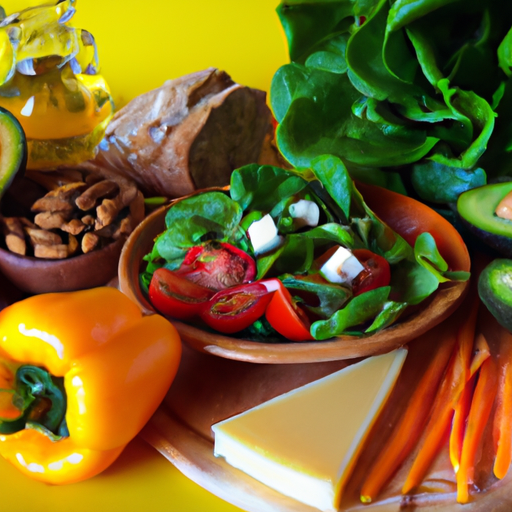
The Mediterranean diet is more than a simple dietary plan; it’s a shared cultural heritage that defines the way of eating for those residing along the sunny coasts of Greece, Italy, France, and other Mediterranean countries. With roots going back thousands of years, the Mediterranean diet has distinct flavors and health benefits that make it one of the most popular styles of eating in the world.
Origins of the Mediterranean Diet
The Mediterranean diet originated from the traditional eating habits of people living around the Mediterranean Sea, including countries like Italy, Greece, Spain, and Morocco. It’s rich in plant-based foods, lean proteins, and healthy fats like olive oil, echoing the agricultural auspiciousness of the region.
Why the Mediterranean Diet is Popular
Its popularity stems from its delicious flavors, versatility, and numerous health benefits. From crunchy vegetables and succulent fruits to wholesome grains and aromatic spices, the Mediterranean diet offers myriad flavors to satiate your tastebuds.
Health Benefits of the Mediterranean Diet
Credited with promoting heart health, boosting brain function, managing diabetes, and even helping in weight loss, the Mediterranean diet is renowned amongst health enthusiasts globally.
Key Feature One: High Consumption of Fruits, Vegetables, and Whole Grains
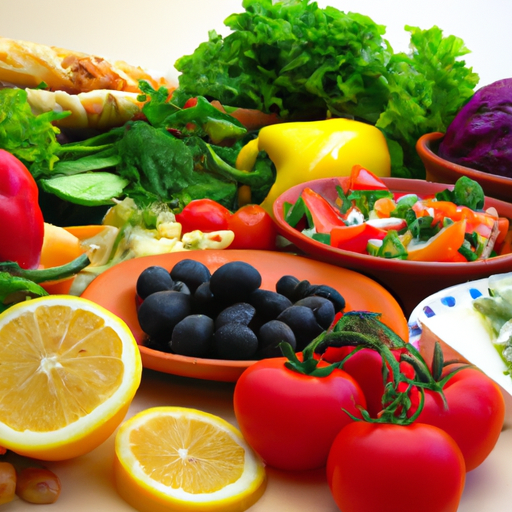
A typical Mediterranean diet revolves around high consumption of fruits, vegetables, and whole grains. These are the cornerstone foods that bring a host of colors, textures, and flavors into every meal.
Health Benefits of High Fruit and Vegetable Consumption
Fruits and vegetables are loaded with vitamins, minerals, fiber, and antioxidants, all of which play a significant role in supporting overall health and reducing the risk of chronic diseases like cancer, heart disease, and diabetes.
Role of Whole Grains in the Mediterranean Diet
whole grains are an integral part of the Mediterranean diet. Their consumption—along with legumes, seeds, and nuts—provides plenty of protein and fiber, keeps your gut healthy, and reduces the risk of cardiovascular diseases.
Incorporating Fruits, Vegetables and Whole Grains into Daily Meals
Easy to incorporate into any meal of the day, fruits, vegetables, and whole grains can be enjoyed in salads, soups, side dishes, main courses, or even desserts.
Key Feature Two: Moderate Intake of Dairy and Poultry
The Mediterranean diet favors the moderate intake of dairy and poultry over red meat. These protein sources are often consumed in smaller portions and form part of balanced, nutritious meals.
Importance of Dairy in the Mediterranean Diet
Low-fat or non-fat dairy products provide essential nutrients like calcium, vitamin D, and protein. Besides, traditional Mediterranean diet staples like Greek yogurt or feta cheese enhance the taste of numerous dishes.
Role and Benefits of Poultry Consumption
Poultry, including chicken and turkey, are leaner protein sources compared to red meat. Regular poultry consumption can reduce cardiovascular risk factors and contribute to a healthier body weight.
How to Incorporate Dairy and Poultry into the Mediterranean Diet
Incorporating dairy and poultry into your Mediterranean meal plan is not a daunting task. Think Greek yogurt with mixed berries for breakfast, chicken salad for lunch, turkey stir-fry for dinner, or a small piece of cheese as a snack.
Key Feature Three: Minimal Red Meat and Sweets
The Mediterranean diet encourages minimal consumption of red meat and sweets, emphasizing the importance of moderation in eating to maintain overall health and wellness.
The Dangers of Red Meat and Sweets
Excessive consumption of red meat, especially processed varieties, and sweets, have been linked to several health concerns including obesity, heart disease, diabetes, and certain cancers.
How to Minimize Red Meat and Sweet Consumption
Opting for lean poultry, fish, or plant-based proteins Instead of red meat and choosing fruits, dark chocolate, or yogurt instead of sugar-laden sweets can help maintain this dietary balance.
Alternatives to Red Meat and Sweets
Instead of red meat, consider having fish—which is another important aspect of the Mediterranean diet—or plant-based proteins like lentils, chickpeas, and quinoa. As for curbing sweet cravings, opt for fresh fruits or dried nuts and seeds.
The Importance of Olive Oil in the Mediterranean Diet
Why Olive Oil is a Staple in the Mediterranean Diet
Olive oil—the heart-friendly fat—is arguably the Mediterranean diet’s cornerstone. Replacing butter and other high-fat, high-cholesterol oils, olive oil is used in almost every dish, from salads and pastas to meat, fish, and soups.
Health Benefits of Olive Oil
Olive oil, with its monounsaturated fatty acids and antioxidants, offers numerous health benefits, including reduced heart disease risks, improved brain health, and its anti-inflammatory properties.
Other Cooking Oils Vs Olive Oil
While other cooking oils may also have health benefits, few can compete with the mighty olive oil in terms of overall health benefits and versatility in cooking.
Seafood in the Mediterranean Diet
The Role of Seafood in the Mediterranean Diet
Continuing the focus on lean proteins, seafood—especially oily fish like salmon, mackerel, and sardines—plays a significant role in the Mediterranean diet.
Benefits of Regular Seafood Consumption
Seafood, particularly fatty fish, provides essential omega-3 fatty acids that promote heart and brain health. It also offers high-quality protein and key nutrients like vitamin D and iodine.
Incorporating Seafood in Mediterranean Meals
Incorporating seafood in your Mediterranean diet doesn’t need to be complicated. A grilled salmon dish, a bowl of shrimp pasta, or a simple tuna salad can all do the trick.
Influence of the Mediterranean Diet on Family Meals
Promoting Family Bonding Through Food
The Mediterranean diet promotes not just healthy eating, but also the importance of shared mealtimes. This concept aligns beautifully with the idea of strengthening family bonds.
Benefits of Eating Meals as a Family
Regular family meals aid child development and foster healthier eating habits. They provide a platform for conversation, connecting generations, and nurturing healthier relationships.
Creating Family-friendly Mediterranean Recipes
From pasta dishes to roasted chicken, from salads to seafood, there are countless delicious, family-friendly Mediterranean recipes to choose from.
Mediterranean Diet vs Other Popular Diets
Paleo vs Mediterranean Diet
While the Paleo diet restricts grains, legumes, and dairy—staples in the Mediterranean diet—the Mediterranean diet is more inclusive and flexible, focusing on overall lifestyle rather than strict rules.
Keto vs Mediterranean Diet
Unlike the low-carb, high-fat Keto diet, the Mediterranean diet encourages balanced consumption of all food groups, emphasizing fruits, vegetables, whole grains, lean proteins, and healthy fats.
Vegan vs Mediterranean Diet
While the Vegan diet avoids all animal products, the Mediterranean diet allows moderate consumption of dairy, eggs, poultry, and fish. It’s possible to integrate both approaches by opting for a plant-based Mediterranean diet.
Daily Meal Planning with the Mediterranean Diet
Typical Mediterranean Diet Breakfast
A Mediterranean diet breakfast might include Greek yogurt with honey and fruits, oatmeal topped with nuts, or scrambled eggs with whole-grain toast.
Ideas for Mediterranean Diet Lunch and Dinner
For lunch and dinner, consider a hearty chickpea salad, a plate of grilled fish with vegetables, or a bowl of whole-grain pasta with olive oil and fresh herbs.
Snacks for Mediterranean Diet Followers
Healthy options for snacks include fresh fruits, a handful of nuts, or a small piece of cheese.
Conclusion: The Mediterranean Diet for Long Term Health
How the Mediterranean Diet Can Improve Health
The Mediterranean diet is not just a temporary phase or trend. It’s a lifelong commitment to a healthier lifestyle, promoting heart health, brain function, longevity, and overall wellness.
Family and the Mediterranean Diet
Through its focus on shared mealtimes and family-friendly recipes, the Mediterranean diet encourages family bonding, fostering stronger relationships, and shared responsibility towards health.
Making the Mediterranean Diet a Long Term Commitment
As you spend more time exploring the Mediterranean diet, you will discover its delights and benefits. Make it a long term commitment for you and your family. The rewards, truly, are plenty. Embrace a wealth of flavors and lifelong wellness—it’s time to start your Mediterranean journey.
Leave a Reply