You’ve probably heard a lot about the Mediterranean diet and how it presents numerous health benefits. It’s one of the things that JD, the mastermind behind www.mediterraneandietrecipes.net, loves talking about. As a dad of three beautiful children, finding ways to maintain long-term health and vitality is a top priority. It’s not just about being present in their lives, but being actively involved, and staying healthy while doing so.
Diving into the Mediterranean diet raises questions, like, “What are the side effects?” And you know what, that’s exactly what JD has set out to uncover in his latest blog post. You’ll learn more than you thought you needed to know, because when it comes to health and promoting the importance of sharing high-quality meals with your family, no stone should be left unturned. So, if you’re ready to broaden your perspective on the Mediterranean diet, you’re in for a treat!

Understanding The Mediterranean Diet
Origin and Principles of the Mediterranean Diet
The Mediterranean diet, as its name implies, originates from the dietary habits and practices of people living in countries bordering the Mediterranean Sea such as Greece, Italy, and Spain. The principle behind the diet is simple yet profound— it doesn’t emphasize the reduction of certain food groups, but rather focuses on consuming a variety of foods in moderation. This includes lean meats, fish, vegetables, fruits, whole grains, spices, and healthy fats.
Key Components of the Mediterranean Diet
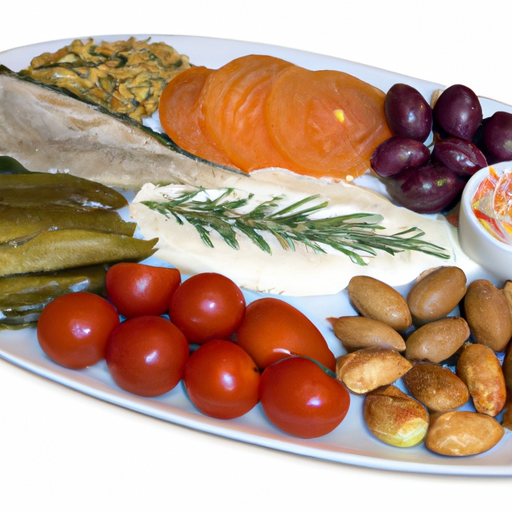
Staples of the Mediterranean diet include whole grain foods, fresh fruits and vegetables, legumes, fish, olive oil, and even modest amounts of wine. These foods are rich in lean proteins, monounsaturated fats, and complex carbohydrates.
Why The Mediterranean Diet is Popular
The popularity of the Mediterranean diet can be attributed to its focus on overall health and longevity. It emphasizes nutritional balance, flavorful ingredients, and promotes a relaxed, enjoyable approach to eating. Plus, who wouldn’t want to enjoy a glass of wine knowing it’s part of their healthy diet?
Overall Health Benefits of The Mediterranean Diet
Heart Health and The Mediterranean Diet
Studies have shown positive correlations between the Mediterranean diet and heart health. The diet’s high consumption of omega-3 fatty acids, found in fish and olive oil, can lower levels of harmful LDL cholesterol and increase good HDL cholesterol.
Benefits of The Mediterranean Diet in Weight Management
When combined with regular physical activity, the Mediterranean diet can contribute to healthy weight management. The diet emphasizes consuming high-fiber, low-glycemic foods which can help in preventing weight gain and promote weight loss.
Effects of the Mediterranean Diet on Mental Health
Emerging research suggests the Mediterranean diet can improve mental health by reducing the risk of depression, anxiety, and cognitive decline.
Digestive Health and The Mediterranean Diet
Mediterranean Diet and Gut Health
The fiber-rich foods in the Mediterranean diet, like fruits, vegetables, and legumes, promote good gut bacteria. This can contribute to better digestive health.
Effects of The Mediterranean Diet on Digestion and Nutrient Absorption
A balanced Mediterranean diet aids in smoother digestion and better nutrient absorption due to the high levels of fiber and healthy fats in the diet.
Possible Side Effects of the Mediterranean Diet
Changes in Energy Levels
Transitioning to a Mediterranean diet might initially lead to fluctuations in energy levels as your body adjusts to lower sugar and higher fiber intake.
Adjusting to New Food Groups
As you lean into the Mediterranean diet, there might be a period of adjustment as your body adapts to consuming new food groups.
Possible Weight Fluctuations
Initial stages of the diet may result in weight gain as you adjust to consuming more healthy fats. But don’t worry, as your body adjusts, weight stabilization is likely to follow.
Managing Side Effects of The Mediterranean Diet
Dealing with Low Energy Levels
If you’re facing intermittent energy dips, it’s essential to listen to your body. Eating small, frequent meals throughout the day could help maintain energy levels.
Managing Weight Changes
It’s important to be patient with your body as it adjusts to a new diet. Remember, the goal is not just weight loss, but overall health.
Coping with New Food Preferences and Tastes
Adjusting to new flavors can be exciting. Take joy in discovering new recipes and savor the wholesome and delicious meals the Mediterranean diet offers.
Adapting to The Mediterranean Diet
Gradual Introduction of New Foods
Rather than drastically changing your diet, gradually introduce Mediterranean diet components into your meals.
Creating Balanced Meals
Ensure your meals are balanced with healthy fats, proteins and carbohydrates. Remember, variety is the spice of life.
Involving Family in Diet Changes
Engage the whole family in adopting the new dietary habits. Making changes together can make the transition easier and more enjoyable.
Incorporating the Mediterranean Diet into your Lifestyle
Preparation Tips for the Mediterranean Diet
Preparation is key. Plan your meals in advance and ensure your grocery list complies with the principles of the Mediterranean diet.
Maintaining the Mediterranean Diet While Eating Out
You can still enjoy restaurant meals while adhering to the Mediterranean diet. Look for foods that are grilled, steamed or broiled and rich in fresh ingredients.
Including Exercise in the Mediterranean Lifestyle
Remember, the Mediterranean lifestyle isn’t just about eating—it’s also about being active. Incorporate regular exercise to truly experience its benefits.
Common Misconceptions about the Mediterranean Diet
Myth: Mediterranean Diet Causes Nutrient Deficiency
Contrary to this myth, the Mediterranean diet is balanced and rich in all necessary nutrients for the human body.
Myth: Mediterranean Diet is Expensive
While some ingredients like olive oil and seafood might be costly, remember that the diet also calls for affordable ingredients like legumes, grains, and fresh produce.
Myth: It is Difficult to Stick to the Mediterranean Diet
Despite popular belief, the Mediterranean diet is quite easy to continue once you get the hang of it. It’s all about balancing flavors without compromising nutrition.
Maximising Benefits of The Mediterranean Diet
Combining the Diet with Regular Exercise
Regular physical activity, combined with the Mediterranean diet, can promote overall physical and mental wellness.
Consistency in the Mediterranean Diet
Sticking with the diet consistently ensures that you receive its long term benefits.
Involving Family and Sharing High Quality Foods
Promoting shared meals with your family helps foster a sense of community and enjoyment, integral parts of the Mediterranean lifestyle.
Conclusion: Managing Side Effects and Embracing the Mediterranean Lifestyle
Like any dietary change, the Mediterranean diet may bring a few side effects as your body adjusts. But with a bit of patience and adherence to the principles of the diet, you may soon start benefiting from greater understanding and appreciation of quality food while enjoying the potential benefits that this popular diet delivers. Remember, this lifestyle isn’t just beneficial to you, it’s also a wonderful, health-conscious gift that you can share with your family. Don’t hesitate! Enjoy the benefits and flavor of the Mediterranean diet today. The results might just surprise you. Happy eating!
Leave a Reply