In this informative article, we’ll be discussing the topic – What do you use instead of butter on the Mediterranean diet? You’re about to discover various healthier alternatives that align perfectly with the principles of the Mediterranean lifestyle. Get ready to explore some nourishing options that not only boost your health but also are delightful to your palate. Let’s enhance your Mediterranean dining experience! Consider this your go-to guide for butter alternatives within this incredible diet that champions both health and family unity.
Understanding the Mediterranean Diet
Definition of Mediterranean Diet
The Mediterranean Diet is a healthy eating pattern that is based on the traditional practices of countries across the Mediterranean Sea. This diet is known for its rich, vibrant flavors and a host of health benefits. It emphasizes fruits, vegetables, whole grains, and legumes, with moderate consumption of seafood, poultry, and dairy, and olive oil as the primary source of fat.
Key Features of Mediterranean Diet
The Mediterranean diet is characteristically high in healthy mono- and polyunsaturated fats, lean proteins, fiber, and antioxidants. It also features moderate use of alcohol, particularly in the form of wine. The diet encourages less use of processed foods and fewer intakes of red meat.
Health Benefits Associated with Mediterranean Diet
This diet provides a multitude of benefits for your heart, brain, and overall longevity. Research has consistently linked the Mediterranean diet with reduced risk of heart disease, diabetes, certain cancers, and cognitive decline. Moreover, it may also help in controlling your weight and enhancing your overall wellness.
Why Butter is Usually Avoided in Mediterranean Diet
Nutritional Composition of Butter
While butter is a dairy product and isn’t banned in the Mediterranean diet, it’s traditionally used sparingly. Butter is mostly composed of saturated fats, which might have unfavorable impacts on heart health when consumed in large quantities.
Effects of Butter on Health
Butter, in excess, can contribute to high cholesterol levels and raise the risk of heart disease and stroke. While it does offer some nutritional benefits like vitamin A, D, E and K, it’s essential to balance your intake.
Cultural Perspectives on Butter in Mediterranean Region
Traditionally, the Mediterranean region applies more olive oil than butter in its dietary practices. This is due to both the abundant availability of olives and the recognized health benefits of olive oil.
Alternative Healthy Fats in Mediterranean Diet
Role of Fats in Our Diet
Fats are a critical part of our diet as they help in energy provision, nutrient absorption, and hormone production. The key is to choose healthy fats, such as the monounsaturated and polyunsaturated fats found in nuts, seeds, and certain fish.
The Healthy Fat Concept in Mediterranean Diet
The Mediterranean diet emphasizes the consumption of “good” fats, by including plenty of plant-based sources and fatty fish within meals. Unlike “bad” fats, these fats can have positive effects on your heart and overall health.
Olive Oil: The Staple Fat of Mediterranean Diet
Nutritional Benefits of Olive Oil
Olive oil is packed with healthy monounsaturated fats, which can help lower bad cholesterol levels and increase good cholesterol. Moreover, it’s rich in antioxidants and anti-inflammatory compounds.
Choosing the Right Type of Olive Oil
When shopping for olive oil, look out for ‘virgin’ or ‘extra virgin’ on the label to ensure you’re getting the highest quality and most health benefits. These types of olive oil have undergone less processing and retain more natural nutrients.
Incorporating Olive Oil into Your Meals
Instead of butter, use olive oil for sautéing, making salad dressings, or even for baking. Drizzling some olive oil over your finished dishes can also enhance the flavors.
Avocados as a Butter Substitute
Nutritional Profile of Avocados
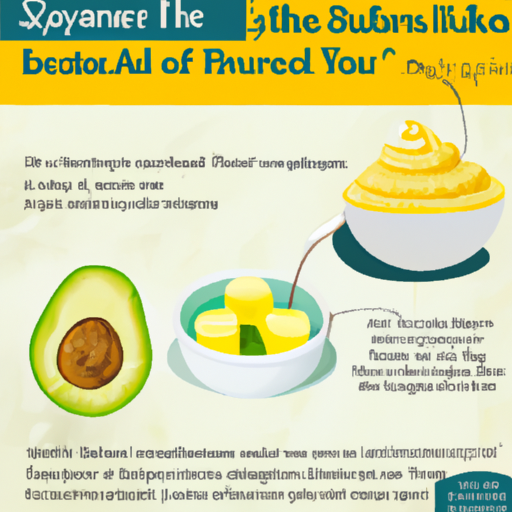
Avocados, like olive oil, are rich in monounsaturated fats. They are also packed with fiber, vitamin K, folate, and vitamin C. Their creaminess makes them an excellent butter substitute.
Ways to Incorporate Avocados in Mediterranean Diet
Mash avocado to make a spread for bread, or chop it into salads. You can even blend it into smoothies or use it as a base for creamy sauces.
Tahini: A Go-to Substitute for Butter
What is Tahini?
Tahini is a paste made from sesame seeds, another ingredient popular within the Mediterranean cuisine. It has a rich, creamy texture and a nutty flavor.
Health Benefits of Tahini
Tahini is rich in plant-based proteins, healthy fats, and a variety of important vitamins and minerals. Like other seeds, it also provides a good amount of fiber.
Using Tahini in Mediterranean Diet Recipes
Tahini is frequently used in making hummus, as a dressing for salads and vegetables, or as a spread in wraps. Tahini’s versatile nature is a flavor booster for many dishes.
Experimenting with Nut and Seed Butters
Introduction to Nut Butters
Nut butters, whether made from almonds, cashews, or sunflower seeds, are excellent sources of unsaturated fats, protein, and fiber. They are easy to DIY, but be wary of the store-bought ones with added sugars and oils.
Health Benefits of Seeds and Nut Butters
With their good fats, these butters contribute to heart health. They also help in controlling blood sugar, make us feel full for longer, and aid in digestion thanks to their fiber content.
Making Your Own Nut and Seed Butters at Home
All you need is a food processor and raw or roasted nuts or seeds of your choice. Process until smooth, adding a pinch of salt and a touch of honey if desired.
Beneficial Role of Fish and Seafood
Fish and Seafood in Mediterranean Diet
Fish and seafood are an integral part of the Mediterranean diet. They are excellent sources of high-quality protein and omega-3 fatty acids.
Selection of Fish and Seafoods for Healthy Fats
Salmon, sardines, and mackerel are rich omega-3 sources. Clams, mussels, and prawns also satisfy protein needs and deliver a range of beneficial nutrients.
Including Dairy Products in a Balanced Way
Choosing Low Fat Dairy Options
While dairy products like milk, yogurt, and cheese are part of this diet, opt for the low-fat versions. Greek yogurt and feta cheese are popular choices.
Delicious Mediterranean Dishes with Dairy
Enjoy yogurt with fresh fruits, honey, and nuts for a healthy dessert. Feta cheese can be tossed in salads or crumbled over dishes for added flavor.
Conclusion: Enjoying a Diverse, Healthful Diet
Appreciating the Flavorful Alternatives to Butter
The Mediterranean diet offers you versatile and flavorful alternatives to butter. These not only enhance your culinary experience but also provide crucial health benefits.
Taking a Flexible Approach to Meal Planning
The key lies in appreciating this diet’s flexibility. Be creative and experiment with these healthy fats to make delicious meals for yourself and your family.
Sharing Quality Food Experiences with Family
Remember, the Mediterranean diet isn’t just about the food, but also about enjoying meals together as a family, and bringing high-quality, healthful food to the table. This is a great way to ensure your family’s health and happiness, as well as your own.
It’s these principles that make the Mediterranean diet not just a dietary plan, but also a lifestyle—one that you can adopt to stay active and healthy. So, why not try swapping out butter for a healthier alternative today?
Leave a Reply