So you’re wondering, “What does a Mediterranean dinner look like?” Am I right? Well, let’s dive right in! On JD’s blog on www.mediterraneandietrecipes.net, he’s going to lift the lid off Mediterranean cuisine, unmasking the delightful mystery that it is. As a dedicated father with an unwavering commitment to staying healthy and leading by example, JD firmly upholds the belief that nutritious meals don’t have to compromise on taste. And the Mediterranean diet is the epitome of this belief.
In the article, JD will be detailing what you can expect from a typical Mediterranean dinner – think fresh veggies, wholesome grains, lean proteins, and delectable olive oil. By the end, you’ll have a comprehensive understanding of this powerhouse of nutrition! JD ensures that he shares only accurate, well-researched information. And what’s more, you’ll also get a glimpse into the role of this diet in fostering close-knit family bonds and promoting a long, active life. So stick around, this knowledge might just be what your family meal planning needs!
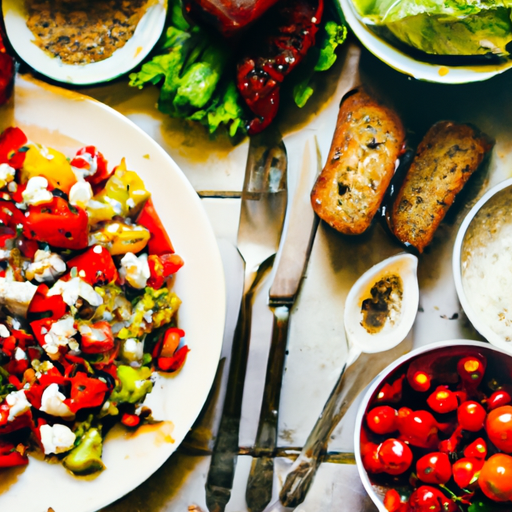
What Does A Mediterranean Dinner Look Like?
Are you wondering what makes a Mediterranean dinner so unique and healthy? From vibrant fruits and vegetables, lean proteins, to nutty whole grains, a typical Mediterranean dinner is a heart-pleasing feast! It embodies a splendid combination of traditional flavors and healthy eating practices. Here’s an immersive glance into the features, benefits, and staple ingredients of a Mediterranean dinner, and how you can recreate it in your own kitchen.
Features of a Mediterranean Dinner
High in Fruits and Vegetables
Mediterranean cuisine embraces a multitude of bright, crisp greens, ripe fruits, and nourishing vegetables. The endless assortment of these natural delights brings a dynamic play of colors, flavors, and nutrients to the table.
Lean Proteins: Seafood and Poultry
The Mediterranean diet prominently features lean proteins like fish and poultry. Freshly caught, well-seasoned seafood and tender poultry prepared with wholesome herbs lend a health-conscious yet gratifying character to a Mediterranean dinner.
Whole Grains and Legumes
Say hello to the foody foundation of Mediterranean dishes – whole grains and legumes. Brimming with fiber and plant protein, these nutrient-rich staples are must-haves in a Mediterranean pantry.
Minimal Use of Red Meat
Unlike many Western diets, Mediterranean dinners seldom feature red meat, as the diet emphasizes healthier protein sources such as fish, legumes, and nuts.
Benefits of a Mediterranean Diet
Promotes Heart Health
Adopting a Mediterranean diet can work wonders for your heart. Thanks to its low saturated fats and high fiber content, this diet helps maintain cholesterol levels, thus promoting cardiovascular health.
Supports Longevity
The Mediterranean diet is an elixir for longevity. It’s rich in antioxidants and omega-3 fatty acids, which are crucial for a healthy lifespan.
Boosts Brain Health
High-quality proteins, healthy fats, and various antioxidants from the Mediterranean diet power up our brain, enhancing cognitive function and memory.
Staple Ingredients Used in Mediterranean Dinner
Olive Oil: The Heart of Mediterranean Cooking
Olive oil is the quintessential fat used in Mediterranean cooking. Known for its heart-friendly benefits, it’s what gives Mediterranean dishes their distinctive, savory character.
Fresh Fruits: A Regular Dessert
Say goodbye to sugar-loaded desserts, and make way for fresh fruits! Fruits are the preferred dessert in the Mediterranean diet, as they’re a sweet but healthy end to a meal.
Grains: The Foody Foundation
The Mediterranean diet is incomplete without wholesome grains. From bread, pasta to couscous, these grains provide the fulfilling element to any Mediterranean dinner.
Nuts and Seeds: The Crunchy Delight
Nuts and seeds play a significant role in Mediterranean dishes. Sprinkling them over salads or grinding them in sauces brings a delightful crunchy texture and added nutrition.
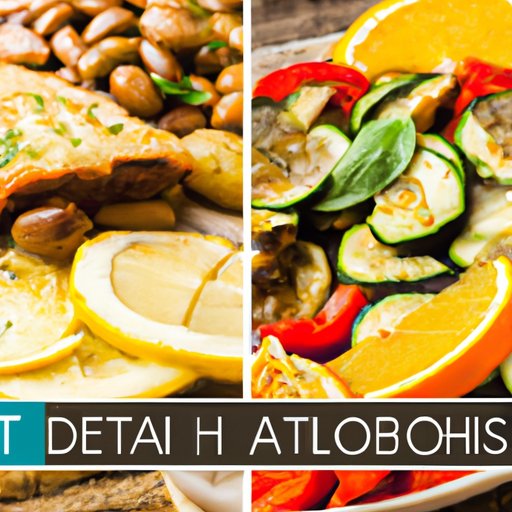
Examples of Mediterranean Dinner Dishes
Souvlaki: The Grilled Classic
Souvlaki, the classic Greek dish, consists of tasty grilled meat and vegetables skewers served with a delectable dip and pita bread.
Tagine: The Hearty Stew
Experience a hearty North African delight with Tagine, a savory, slow-cooked stew of meat and vegetables.
Spanakopita: The Delicious Spinach Pie
This delicious Greek spinach pie called Spanakopita, made with flaky phyllo pastry, spinach, and feta cheese, is a must-try!
Wine and Other Drinks in a Mediterranean Dinner
Role of Wine
Wine, especially red, is often enjoyed moderately during a Mediterranean dinner. It’s believed to complement the flavors of the meal and boost heart health.
Non-Alcoholic Options like Herbal Teas and Juices
Herbal teas and fresh fruit juices also make a delightful appearance in a Mediterranean dinner, offering hydration and further health benefits.
Significance of Dining as a Family in Mediterranean Culture
Importance of Sharing Meals
In Mediterranean culture, meals are a communal occasion. Dining together provides an opportunity for family members to bond, share experiences and enjoy a nutritious feast together.
Involving Children in Meal Preparation
Mediterranean families encourage children to participate in meal preparation. It’s seen as a way to instill appreciation for healthy food and cultivate an understanding of their rich culinary heritage.
DIY: Mediterranean Dinner at Home
Creating a Balanced Mediterranean Meal Plate
Creating a balanced Mediterranean plate involves filling half the plate with vibrant fruits and veggies, a portion of grains or legumes, and supplementing it with lean protein.
Incorporating Variety: Tips to Mix and Match
Remember, the more, the merrier! Incorporating an array of colorful produce, lean proteins, and grains ensures your meals are nutritionally diverse and packed with flavor.
How to Take a Mediterranean Dinner Beyond Dinner
Leftovers: Next Day’s Lunchbox
Mediterranean meals are perfect for meal prep. Transform your dinner leftovers into a nutritious lunchbox the next day.
Cook in Batches: Save for Later
Cooking in large batches not only saves time and effort but also ensures you have a healthy meal waiting in your freezer on a hectic day.
Sustainability of the Mediterranean Diet
Low Environmental Impact
The Mediterranean diet encourages seasonal, local produce consumption. By doing so, it promotes sustainable agriculture and reduces environmental impact.
Promotion of Local Produce
Importance is given to fresh, locally sourced ingredients. It supports local farmers and ensures the ingredients are at their peak freshness.
Conclusion: Embracing the Mediterranean Style
Healthy Living the Tasty Way
Mediterranean food is a wonderful example of how healthy eating needn’t be dull or monotonous. By embracing this Mediterranean dinner style, you’re investing in a happy, hearty, and hale lifestyle.
A Lifestyle, Not a Diet
The Mediterranean way is not just a diet, it’s a lifestyle. It’s an approach steeped in enjoying food, respecting ingredients, and cherishing meal times shared with loved ones.
If you’re like me, JD, a father striving to ensure a healthy, balanced lifestyle for his family, picking up the Mediterranean way might just be what you’re looking for. So, roll up your sleeves, assemble your ingredients, and get set to journey into a Mediterranean dinner experience right in your kitchen. Enjoy the adventure!
Leave a Reply