In this friendly discussion, you’re about to expand your knowledge on the typical foods found in a Mediterranean diet. As your guide, JD presents well-researched, accurate facts, not only to enlighten you about this flavorful and healthful diet but also to accentuate the joy of sharing high-quality food with our loved ones. This journey will ensure you understand the importance of maintaining good health long term, along with fostering good eating habits and enjoying meals in the company of family and friends.

Understanding the Foundation of a Mediterranean Diet
The Mediterranean diet is recognized globally for its immense health benefits. But, understanding the essence of this diet and the foods that encompass it is vital for reaping its rewards. Let us peel back the layers and delve into the core of what constitutes a typical Mediterranean diet.
History of the Mediterranean Diet
The Mediterranean diet, as the name implies, is deeply rooted in the traditional eating habits of the coastal regions surrounding the Mediterranean Sea. It embodies the culinary cultures of countries like Italy, Spain, and Greece. It’s a way of life that was catapulted to global prominence in the mid-20th century following research that showed lower rates of chronic diseases and higher life expectancy among these populations.
Core Principles of the Mediterranean Diet
At its core, the Mediterranean diet promotes the consumption of a diverse range of nutrient-dense foods primarily derived from plants. The diet features generous servings of fruits and vegetables, whole grains, beans and other legumes, nuts, seeds, and heart-friendly olive oil. This diet aims for balance, nourishment, and above all, the enjoyment of real, natural foods shared with loved ones around the dinner table.
Key Food Groups in a Mediterranean Diet
Now that you have a solid understanding of the history and principles of the Mediterranean diet, let’s take a detailed look at the food groups this diet involves.
Fruits and Vegetables in the Mediterranean Diet
Bright, vibrant fruits and vegetables are a staple in every Mediterranean meal. Laden with essential vitamins, minerals, and fiber, they contribute greatly to the overall nutrition of the diet.
Grains and Cereals in the Mediterranean Diet
Whole grains and cereals provide a good source of fiber and keep you feeling full. They include foods like rice, barley, bulgur, oats, and bread.
Protein Sources in the Mediterranean Diet
Proteins in this diet come predominantly from legumes and lean meat like poultry and fish. Red meat is consumed less frequently, only a few times a month.
Healthy Fats in the Mediterranean Diet
Fat is a crucial part of the Mediterranean diet, but the focus is on heart-healthy unsaturated fats from fish, avocados, nuts, seeds, and notably olive oil.
The Role of Seafood in the Mediterranean Diet
Seafood is a mainstay in the Mediterranean diet, richly endowed with Omega-3 fatty acids and lean protein.
Popular Seafood Choices
The diet favors a variety of seafood, with staples like sardines, mackerel, sea bass, and shellfish.
Health Benefits of Consuming Seafood
Regular seafood consumption can aid in reducing inflammation, improving heart health, and promoting brain health.
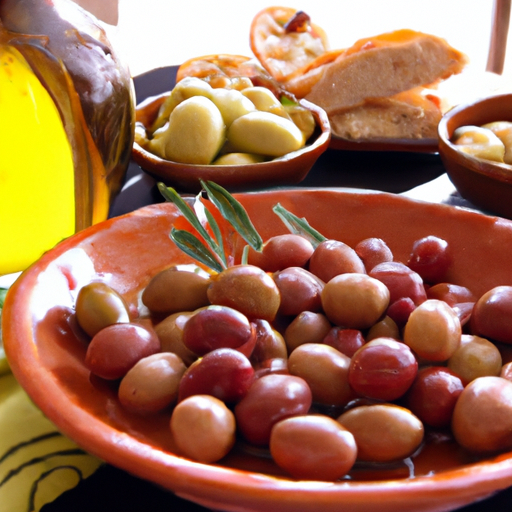
Embracing Plant-Based Foods
The Mediterranean Diet encourages a substantial intake of plant foods.
Types of Legumes in Mediterranean Diet
Beans, lentils, chickpeas are all prevalent legumes in this diet, gifting every plate with fiber and protein.
Importance of Nuts and Seeds
Nuts and seeds provide healthy fats, fiber, and are excellent sources of protein.
The Importance of Whole Grains & Cereals
Whole grains and cereals are the energy-fueling carbohydrates of the diet.
Typical Whole Grains in a Mediterranean Diet
Whole wheat, oats, brown rice, rye, barley, corn, and quinoa are all fantastic examples.
Role of Cereals in the Diet
Cereals not only keep you satiated but are great sources of B vitamins and minerals like iron and magnesium.
The Use of Healthy Fats
Healthy fats are an integral component of the Mediterranean diet, letting every dish shine with flavor and nutritional value.
Benefits of Olive Oil
Olive oil, particularly extra virgin olive oil, is a rich source of monounsaturated fats that safeguard your heart.
Incorporation of Avocados
Avocados are another superb source of healthy fats and are often used in salads or as a spread on whole grain toast.
Moderate Consumption of Dairy
Dairy in the Mediterranean diet is consumed moderately and often comes from cheese and yogurt.
Role of Cheese and Yoghurt in the Diet
Hard cheeses like Parmesan and soft cheeses like feta, along with unsweetened yogurts, are commonly featured in meals or recipes.
Choosing Lower-Fat Options
The Mediterranean diet recommends opting for lower-fat dairy options whenever possible.
Mediterranean Diet and Red Wine
Yes, red wine does play a role in the Mediterranean diet– in moderation.
Health Benefits of Red Wine
Red wine is linked with heart health due to its antioxidant content, particularly resveratrol.
Moderation is Key
Overconsumption can lead to health issues, so moderation is advised- typically a glass a day for women and up to two glasses a day for men.
Become Conscious of Meal Portion Sizes
Maintaining appropriate portion sizes is central to staying healthy with this diet.
Understanding Appropriate Serving Sizes
Recognizing correct serving sizes for different food groups can be a key factor in maintaining a healthy weight and balanced diet.
The Impact of Portion Control on Weight Maintenance
Portion control, alongside the high fiber and nutrient intake of the diet, contributes to weight maintenance, alongside its other health benefits.
Conclusion: Embracing the Mediterranean Lifestyle
The Mediterranean diet offers more than just a pathway to good health; it offers a lifestyle rooted in mindfulness, balance, and the joy of sharing good, wholesome food.
The Connection between Diet and Longevity
The traditional Mediterranean lifestyle, moderate physical activity amalgamated with this nutrient-rich diet, contributes significantly to your longevity.
Promoting Family Bonding through Shared Meals
It’s not just about what’s on your plate, but who you’re sharing your meal with. The Mediterranean culture emphasizes the importance of communal dining, enhancing the joy of eating while fostering closer familial bonds and relationships.
Making Dietary Shifts for Sustainable Nutrition
Adopting the Mediterranean way is about making small, sustainable dietary shifts that favor real, nutrient-dense foods. It encourages mindful eating, its richness in flavor enables you to thoroughly enjoy your meals without overeating.
Remember, it’s not just a diet, it’s a lifetime journey. So, let’s embark on this culinary adventure, relish the flavours of the Mediterranean Diet and move towards health and longevity.
Leave a Reply