So, you’re wondering, what is a typical Mediterranean lunch? You are not alone! With the Mediterranean diet gaining popularity across the globe for its health benefits, many people are keen to understand what a typical day of meals might look like on this food plan.
In this article, you’re going to find out exactly what a typical Mediterranean lunch entails. And who knows, you might find yourself adopting this flavorful and heart-healthy cuisine into your regular meal plans. Not only will there be delicious recipes, but you’ll also understand why these meals are so beneficial for your health. So, let’s dive right in and discover this fabulous world of a Mediterranean midday feast.
Understanding the Mediterranean Diet
When it comes to eating healthy, one diet that consistently gets high marks is the Mediterranean diet. It is a lifestyle more than a strict diet plan and it centers around the typical foods and recipes of Mediterranean countries.
Key Principles of the Mediterranean Diet
The Mediterranean diet emphasizes whole foods such as fruits, vegetables, legumes, fish, lean meats and whole grains. It also includes a modest amount of dairy products and a minimal amount of processed foods and sugars.
Health Benefits of the Mediterranean Diet
Research has shown that the Mediterranean diet is beneficial for heart health and has been associated with lower levels of LDL (bad) cholesterol. The diet may also help with weight loss, improve rheumatoid arthritis, and reduce the risk of developing conditions like Alzheimer’s disease, and various types of cancer.
Components of a Typical Mediterranean Lunch
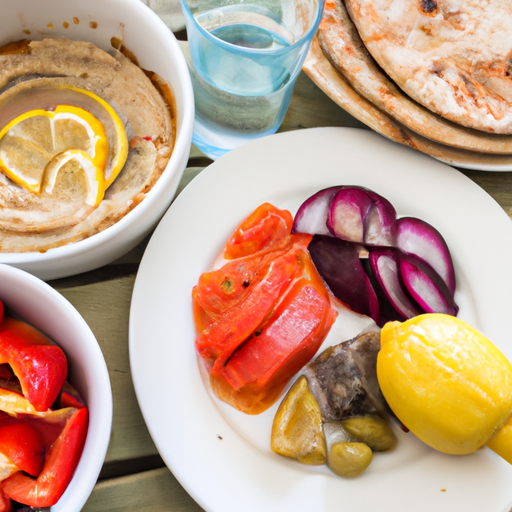
A typical Mediterranean lunch includes a balance of wholesome components that nourish the body and keep you full.
Importance of Fresh Fruits and Vegetables
In the Mediterranean diet, fresh fruits, and vegetables are a central component of every meal. These provide essential vitamins and minerals, fiber, and a host of beneficial plant compounds.
Role of Lean Proteins
Lean proteins, especially fish and poultry, provide important nutrients such as B vitamins, iron, and omega-3 fatty acids. These elements keep us feeling satisfy and provide energy for the rest of the day.
Significance of Whole Grains
Whole grains provide valuable fiber that promotes digestion, and other vital nutrients. They are a staple in many Mediterranean meals, including lunches.
Inclusion of Healthy Fats
Healthy fats found in olive oil, avocados and nuts are vital for our brain health, and they help the body absorb vitamins from other foods.
The Art of Assembling a Mediterranean Lunch
Creating a Mediterranean lunch isn’t just about the ingredients. It’s also about how they are put together.
Balancing Different Food Groups
A balanced Mediterranean lunch consists of various food items from different food groups to ensure you’re getting a wide variety of nutrients.
Portion Control Concepts in the Mediterranean Diet
An important aspect of the Mediterranean diet is portion control. It’s not just about what you eat, but how much you eat. While no food is off-limits, moderation is key.
Easy Mediterranean Lunch Ideas
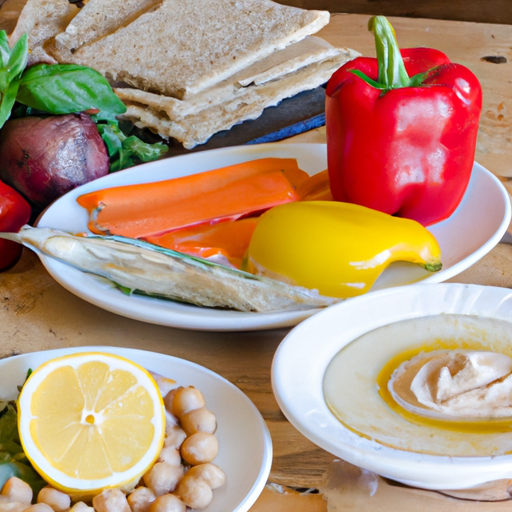
Consider a Greek salad adorned with cubes of feta, Kalamata olives, and a sprinkling of oregano. Or prepare a simple dish of whole-grain pasta tossed with fresh tomatoes, olive oil, garlic, and a handful of fresh basil.
The Power of Herbs and Spices in a Mediterranean Lunch
Herbs and spices are the secret weapons in Mediterranean cuisine, adding rich flavors without additional fats or calories.
Popular Herbs and Spices Used
Commonly used herbs and spices include basil, parsley, oregano, rosemary, thyme, and dill, as well as spices like saffron, sumac, and paprika.
Health Benefits of Herbs and Spices
Besides giving flavor, herbs and spices have been shown to possess anti-inflammatory and antioxidant properties and have been linked with numerous health benefits such as improved heart health and brain function.
Incorporating Herbs and Spices into Lunch Recipes
You can easily incorporate herbs and spices into your Mediterranean lunch by adding them to salads, grains, or proteins.
Mediterranean Beverages for Lunch
The beverages in the Mediterranean diet also hold significance.
Preference for Water and Wine
Water is the primary beverage, keeping you well hydrated. Wine is also included, mainly red, but again, moderation is key.
Negative View on Sugary Drinks
Sugary drinks, including soda and commercially prepared juices, are typically avoided in the Mediterranean diet.
Proper Hydration Principles in the Mediterranean Diet
Staying hydrated is an essential part of the Mediterranean lifestyle, helping maintain overall health and aid in digestion.
The Role of Dairy in a Mediterranean Lunch
While not as prominent as other components, dairy does play a role in the Mediterranean diet.
Preference for Low-Fat or Non-Fat Dairy
Lower fat dairy options such as Greek yogurt or skim milk are typically preferred.
Cheeses in the Mediterranean Diet
Cheese is often enjoyed in moderation, adding a rich flavor to various dishes.
Balancing Dairy Intake
While dairy is included in the diet, it’s important to balance your intake with other food groups.
The Significance of Nuts and Seeds in a Mediterranean Lunch
Nuts and seeds are another integral part of the Mediterranean diet.
Wide Variety of Nuts and Seeds Used
Nuts such as almonds, walnuts, pistachios or seeds like flaxseed, sunflower seeds, or sesame seeds are commonly consumed.
Health Benefits of Nuts and Seeds
They are not only a great source of healthy fats, but they also provide protein, fiber, and various vitamins and minerals.
Ways to Include Nuts and Seeds in Your Lunch
Try adding a sprinkle of nuts or seeds to your salad for extra crunch and nutrition.
Importance of Shared Meals in the Mediterranean Diet
In addition to the food itself, the Mediterranean diet places a strong emphasis on enjoying meals with family and friends, fostering a culture of sharing and conviviality.
Value of Family Meals
Shared meals are an essential part of the Mediterranean tradition and are associated with greater satisfaction and better health outcomes.
Beneficial Effects on Mental Health
Also, research shows that shared meals can boost mental health, combat loneliness, and promote better eating habits.
Quality Time and the Act of Eating
Eating isn’t just about nourishing the body in the Mediterranean lifestyle, it’s also about nurturing relationships and taking time to appreciate the food.
Role of Physical Activity in the Mediterranean Lifestyle
Physical activity is an integral part of the Mediterranean lifestyle, complementing the diet for a wholesome approach to health.
Keeping Active during Mid-Day Break
Whether it’s a leisurely walk after lunch or a quick swim, staying active is key to the Mediterranean lifestyle.
Fitting in Exercise
It’s not about finding time, it’s about making time. And even little moments of activity can add up over the course of the day.
Balancing Diet and Exercise for Maximum Benefits
The combination of a nutritious diet and regular physical activity can enhance health benefits and promote long-term wellness.
Final Thoughts on the Mediterranean Lunch
The Mediterranean lunch is not just a meal; it’s a celebration of fresh, flavorful ingredients, a love for shared meals, and a commitment to overall health.
Relevance and Alignment with Modern Nutritional Recommendations
Experts often hail the Mediterranean diet as one of the healthiest in the world. It aligns perfectly with modern nutritional recommendations of consuming lots of fruits and vegetables, lean proteins, whole grains and limiting processed foods.
Applicability for People with Different Dietary Needs and Preferences
Another advantage of this lifestyle is its flexibility and adaptability for people with different dietary needs and preferences.
Ways to Gradually Adopt Mediterranean Lunch Practices
Start by incorporating more fresh fruits and vegetables in your meals, swap out refined grains for whole ones, opt for lean proteins, add more herbs and spices for flavor, and take time to really enjoy your food.
Remember you don’t need to change everything all at once, small steps can make a big difference. And before you know it, you’ll find yourself looking forward to your mid-day Mediterranean meal.
Created by JD, a health enthusiast and a devoted father, the Mediterranean Diet Recipes blog fosters the essence of the Mediterranean lifestyle – savoring nutrient-rich food, enjoying communal meals, and hailing the joys of an active life – a perfect way to health and happiness. Try a typical Mediterranean lunch and enjoy the mouth-watering journey to good health!
Leave a Reply