In this friendly discussion, you’re about to explore the concept of Mediterranean dinner time. You’ll get to understand its significance, how it’s uniquely intertwined with the Mediterranean lifestyle and diet, and the crucial role it plays in fostering healthy eating habits. Remember, this isn’t just about a meal; it’s about quality time with your loved ones, enjoying amazing food, and keeping that healthy glow. So, ready to shed some light on Mediterranean dinner time? Let’s get started!
Understanding the Mediterranean Dinner Time
You might be puzzled about what Mediterranean dinner time means when you first hear it. To some, it may sound like a simple reference to the time of day people in the Mediterranean region have dinner. However, it’s much more than just a mealtime, it involves a lifestyle choice, a cultural tradition, and a healthful habit.
Unique Aspects of Mediterranean Dinner Time
Unlike the typical rushed dinners you might be accustomed to, Mediterranean dinners are a leisurely affair. The dinner time in Mediterranean countries is much later compared to North America, typically starting between 8:30 PM to 10:00 PM.
Typical Mediterranean Dinner Timing
Interestingly, in Mediterranean regions like Spain, Italy, and Greece, the day is divided differently. Dinner usually starts late in the evening and is lighter compared to lunch, which is the big meal of the day.
Key Components of a Mediterranean Dinner
Mediterranean cuisine hinges on fresh, wholesome ingredients cooked in a way that combines flavors and nutrients magnificently.
Whole Grains and Fresh Produce
A typical Mediterranean dinner includes a bounty of whole grains, fruits, vegetables, and legumes. These foods provide a rich source of vitamins, minerals, and fiber that aids digestion and promotes health.
Lean Proteins
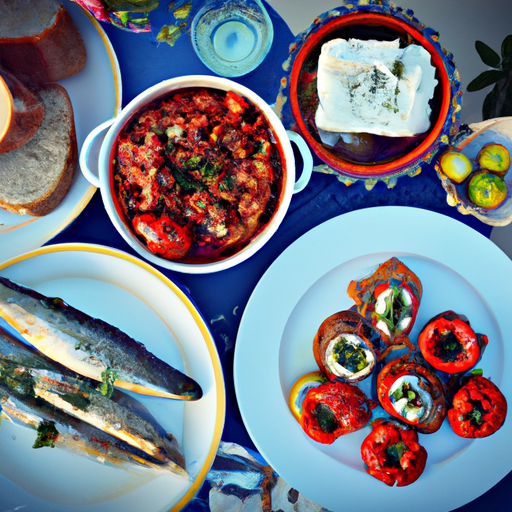
Fish, lean meats, and poultry form the primary source of protein. These are cooked with various spices and herbs that contribute to the wide variety of flavors in Mediterranean cuisine.
Healthy Fats
The use of healthy fats, particularly olive oil, is a trademark of the Mediterranean diet. Nuts and seeds also contribute to the intake of beneficial fats.
The Social Aspect of Mediterranean Dinner Time
Sharing Food with Loved Ones
Mediterranean dinner time is about more than just the food; it’s also about the joy of sharing food with loved ones. In Mediterranean cultures, dinner is often a leisurely, communal event where families and friends gather, allowing for conversation, laughter, and bonding.
Cultural Traditions and Customs
Each Mediterranean country has its cultural traditions and customs related to dinner time. For example, Greeks traditionally enjoy their ‘volta’, an evening stroll before dinner.
Exercise and the Mediterranean Lifestyle
Physical Activity in Daily Routine
Physical activity and exercise are integral parts of the Mediterranean lifestyle. Exercise is not just about visiting the gym regularly but incorporating simple physical activities in your daily routine.
Benefits of After-Dinner Strolls
An after-dinner walk, or ‘passeggiata’, is a common custom in many Mediterranean regions. This not only aids digestion but also serves as a pleasant way to wrap up the day.
Health Benefits of a Mediterranean Dinner
Promotion of Heart Health
The Mediterranean diet is renowned for promoting heart health, thanks to the abundant use of fruits, vegetables, whole grains, lean proteins, and healthy fats.
Weight Management and Diabetes Control
It’s also an excellent choice for weight management, diabetes control, and overall well-being.
Cooking a Mediterranean Dinner
Must-have Ingredients
With a few staple ingredients like olive oil, whole-grain bread, fresh produce, lean proteins, and a selection of herbs and spices, you can create a delicious and heart-healthy Mediterranean dinner at home.
Easy and Healthy Mediterranean recipes
Try preparing dishes like Greek salad, lentil soup, grilled fish, or a tomato and cucumber salad, each bursting with flavors and nutrients.
Maintaining Consistency in Mediterranean Diet
Balancing Flavors and Nutrients
Balancing diverse flavors and nutrients is paramount in the Mediterranean diet. A wide variety of foods and cooking methods ensures you get all necessary nutrients in your meals.
Healthy Substitutions and Alternatives
Substitute unhealthy ingredients with healthier alternatives, like using whole grain bread instead of white bread, or olive oil instead of butter.
Integrating the Mediterranean Diet into the Family
Educating and Including Children in Preparation
Including children in meal preparations and educating them about the importance of wholesome foods is a great way to instill healthy eating habits.
Setting an Example through Meal Times
By adopting a Mediterranean diet yourself, you can set a powerful example for your kids and make family meal times a resource for lifelong lessons.
Challenges/Constraints and How to Overcome Them
Time Management
Planning meals ahead and investing in a few key kitchen tools can save time and make cooking more enjoyable.
Lifestyle Adjustment Issues
Patience and consistency are key when introducing new eating habits. Start small, perhaps by introducing a Mediterranean dish once a week, and gradually increase as per your family’s acceptance.
Conclusion to Embracing Mediterranean Dinner Time
Long Term Benefits to Health
Embracing Mediterranean dinner habits can have an enduring impact on your health, from better heart health to weight management to improved overall wellness.
Building Strong Family Bonds Over Good Food
More than just a meal, the Mediterranean dinner time encompasses a priceless opportunity to create strong family bonds over good food, nurturing conversation, and shared experiences. So why not start experiencing the magic of Mediterranean Dinner Time in your home?
Leave a Reply