If you’ve been curious about the Mediterranean Diet, you might be wondering, “What kind of cheese is actually allowed?” It’s a common question given that cheese is often a delightful component of delicious meals and might be difficult to give up. Well, the good news is, the Mediterranean Diet isn’t about deprivation but about making healthier, sustainable food choices!
As you delve into this article, you’ll discover that certain types of cheese not only pass the Mediterranean Diet test but are also highly recommended! You’ll learn about the nutritional benefits along with tasty ways to incorporate them into your meals. Imagine sharing a platter of these healthy, delectable cheeses with your loved ones during your next family dinner. As JD, the owner of this website often puts it, there’s no better way to care for your health and your family than by sharing high-quality food. Let’s explore together and bring this wonderful diet into your kitchen!
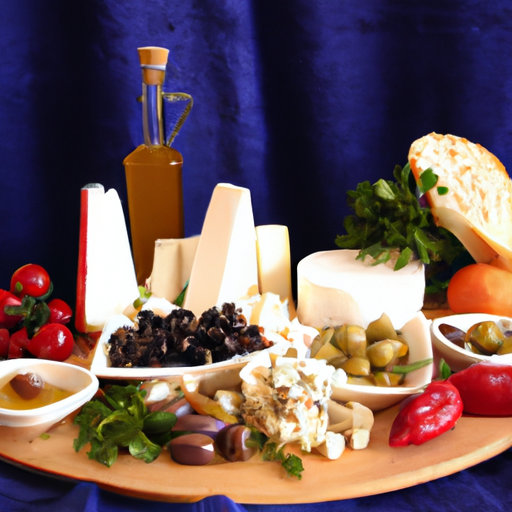
Understanding the Mediterranean Diet
The Mediterranean diet is a way of eating that is inspired by the traditional cuisines of countries bordering the Mediterranean Sea. The word diet here is truly a misnomer – it’s a lifestyle fusion of healthy eating habits, physical activity, social interactions, and appreciation of life’s bounty.
The roots and principles of the Mediterranean Diet
The Mediterranean Diet comes from millennia of eating habits and culture, shared by people of diverse ethnicities, who inhabit the Mediterranean basin. This diet emphasizes consumption of plant-based foods (fruits, vegetables, legumes and whole grains), healthy fats (like olive oil), moderate intake of fish, poultry and dairy, and occasional intake of red meat.
Health benefits associated with the Mediterranean Diet
Numerous studies have highlighted the vital health benefits of the Mediterranean Diet. It helps reduce the risk of heart disease, keeps blood sugar levels stable, aids in weight loss, improves longevity, and promotes overall vitality. This diet is full of nutrients, rich in antioxidants, and low in processed foods, making it a protector against host of chronic diseases.
Role of Dairy in the Mediterranean Diet
Dairy plays a crucial role in the Mediterranean Diet, it’s a source of essential nutrients such as calcium, protein, and vitamins.
Importance of dairy in the Mediterranean Diet
Dairy products are a vital source of many nutrients. The Mediterranean Diet incorporates these products, especially cheese and yogurt, in moderation.
Dairy products commonly used in the Mediterranean Diet
Traditional dairy products found in the Mediterranean Diet are unprocessed, along with raw milk cheeses, and active-culture yogurts. Their milk predominantly comes from sheep or goats, which have a different nutrient profile as compared to cow’s milk.
The Special Place for Cheese in the Mediterranean Diet
Cheese holds a special place in the Mediterranean kitchen, enriching the savory and indulgent dimension of the diet.
Popularity of cheese in Mediterranean cuisine
Each Mediterranean region has its unique cheese specialty, like Feta from Greece or Manchego from Spain, adding an authentic flavor to the meals.
Health benefits associated with consuming cheese
Cheese is a nutrient-dense food, packed with high-quality proteins, vitamins, and minerals. Moderate consumption of cheese in the diet can indirectly contribute to bone health, thanks to its high calcium content.
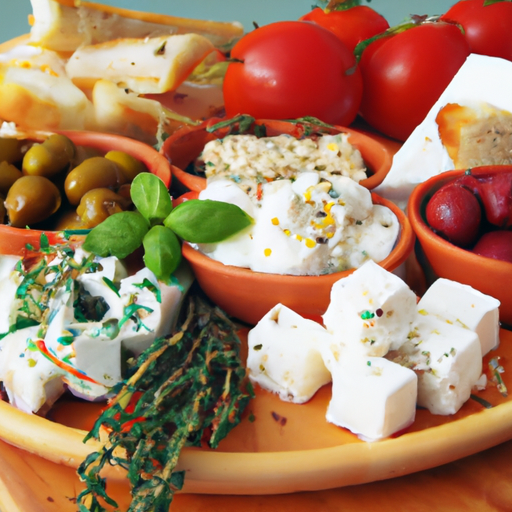
Types of Cheese Allowed in the Mediterranean Diet
This diet allows all cheeses, but the most commonly used ones are Goat cheese, Feta, Ricotta, Parmigiano-Reggiano, and Mozzarella.
Soft cheeses in the Mediterranean Diet
Soft cheeses like Feta, Chevre (goat cheese), and Ricotta are frequent choices which contribute to the light, fresh character of Mediterranean cuisine.
Hard cheeses in the Mediterranean Diet
Hard cheeses like Parmigiano-Reggiano and Pecorino Romano are also frequently used for their rich, savory flavor.
Optimizing the Consumption of Cheese in the Mediterranean Diet
In the context of Mediterranean diet, tasting cheese is not a mere act of consuming. It’s more about enjoying the texture, taste, and aroma of these traditional foods.
Choosing the right cheese for the Mediterranean Diet
Select cheese that is made from the milk of grass-fed animals, as these cheeses are more nutrient-dense. Natural, unprocessed, and authentic cheeses are the best.
Feasible portions of cheese in the Mediterranean Diet
Pleasure in moderation is the key. A serving size of 1 to 1.5 ounces, that can fit in the palm of your hand, is generally suggested.
Popular Mediterranean Dishes that Incorporate Cheese
Various Mediterranean delicacies feature cheese as a main or complementary ingredient.
Traditional Mediterranean cheese dishes
Traditional dishes like Greek Spanakopita, Italian Caprese salad, and French Ratatouille often feature cheese.
Innovative recipes with cheese in the Mediterranean Diet
Cheese can also enhance the flavor of simple recipes, such as roasted vegetables with a sprinkle of Feta or a whole grain pasta with Ricotta.
How to Incorporate Cheese in Your Mediterranean Diet
Incorporating cheese in your meals can be an exciting gastronomic journey.
Best ways to introduce cheese in your meals
You can stir it into soups, spread it on whole-grain bread, sprinkle it on salads or use it as topping for roasted vegetables.
Pairing cheese with other elements of the Mediterranean Diet
Pair cheese with fruits, nuts, lean proteins, and whole grains to create balanced, nutritious, and tasty meals.
Choosing the Right Mediterranean Cheese in the Market
Shopping for Mediterranean cheese involves knowing what to look for.
Key aspects when shopping for Mediterranean cheeses
Look for traditional varieties. Check the ingredients to ensure they are natural, without any artificial additives.
How to recognize authentic Mediterranean cheeses
Usually, authentic Mediterranean cheeses have a protected designation of origin label, which guarantees their authenticity and quality.
Benefits of Sharing Quality Food like Cheese with Family
Sharing high-quality food with family fosters precious moments of togetherness.
Promoting family bonding through shared meals
Breaking bread around the table encourages conversation, connections, and creates lasting memories.
Teaching kids the importance of healthy eating habits
Sharing meals allows you to instill the importance of healthy food choices in your children, ensuring their sound growth and development.
Building lasting memories with cheese-infused Mediterranean meals
Cheese-infused Mediterranean meals lends comfort, joy, and a sense of fellowship, creating a tapestry of beautiful memories over time.
Conclusion: Cheese and the Sustainable Mediterranean Lifestyle
Cheese plays a significant role in supporting the sustainable and vibrant Mediterranean lifestyle.
Enjoying the richness of cheese in the Mediterranean Diet
Savor the delectable spread of traditional Mediterranean cheeses, allowing you to relish not only their flavorful charm but also their associated health benefits.
Maintaining a balanced and mindful diet with cheese
Incorporating cheese in your daily diet can be a joyful and rewarding experience, enhancing the variety of tastes and nourishment value of your meals.
Remember, the Mediterranean Diet is not about strict restrictions, but about embracing a healthy, sustainable, and most importantly, enjoyable eating habit. So, savor each bite of these wonderful cheeses, and relish your journey to a healthier lifestyle.
Leave a Reply