You might be wondering, “What snacks are allowed on the Mediterranean diet?” It’s a great question to ask. After all, we all love a good snack now and then. It’s quite delightful to know that the Mediterranean diet, known for its vibrant and tasty dishes, also includes a spread of delicious and nutritious snacks for you to enjoy.
Be ready to uncover an array of wholesome choices in the following article. This isn’t just about listing suitable snacks, but also understanding why they are a part of the diet and how they can benefit your health. As you progress through the piece, you’ll see how these snacks align beautifully with the core essence of the Mediterranean diet — enjoying high-quality food with your loved ones while promoting your well-being. JD, as a father who wants to stay healthy and active for his children’s sake, knows just how essential this is. Get set for a delicious journey of discovery.
Understanding the Mediterranean Diet
Adopting the Mediterranean diet means adopting a lifestyle change that brings about a myriad of health benefits. Rooted in the eating habits of Greece, Italy, and other countries near the Mediterranean Sea, this diet focuses on high consumption of fruits, vegetables, whole grains, legumes, and seafood while limiting the intake of saturated fats, red meat, sugar, and processed foods.
Main Principles of the Mediterranean Diet
The Mediterranean diet prioritizes fresh, seasonal, and locally sourced foods. Olive oil is the star of this diet, providing a primary source of healthy fats, along with nuts and seeds. The diet promotes lean proteins from fish and poultry rather than red meat. You’re encouraged to eat a variety of fruits and vegetables daily, which are often the main course rather than a side dish. Dairy products, specifically those low in fat and unprocessed, complement the diet well. Moderate consumption of red wine is also typical in some regions, always accompanying meals.
Health Benefits of the Mediterranean Diet
Research suggests that the Mediterranean diet encourages healthier heart conditions and lowers the risk of heart disease. As it’s rich in fiber, it promotes regular digestion and helps in weight management. The antioxidants provided through this diet can help fight inflammation and protect against some forms of cancer. By following this diet, you’re assisting your body in maintaining a healthy balance of new cells.
Mediterranean Diet – A Family Affair
Eating is a communal affair in Mediterranean cultures. It’s about gathering around the table with loved ones, sharing great moments and high-quality food. As an enthusiastic father, JD takes inspiration from this dietary approach and uses it to promote health and unity in his own household.
Sharing High-Quality Food with Family
Incorporating the Mediterranean diet into your family meals ensures that everyone is receiving proper nutrition while enjoying a variety of flavors. Teaching your kids about this lifestyle highlights the importance of good quality ingredients and mindful consumption.
Teaching Kids About Healthy Food Choices
Education is crucial for maintaining a healthy lifestyle. Encourage your children to join in meal preparation to learn firsthand the art of choosing the right foods, appropriate portions, and combining flavors. By introducing them to a diverse range of foods early, you’re fostering a long-lasting appreciation for healthy, delicious meals.
What Makes a Snack ‘Mediterranean Diet Friendly’?
Mediterranean diet-friendly snacks are high in fiber and protein yet low in saturated fats. Snacks fall within the same principles as other meals—fresh, nutritious, and balanced.
Nutritional Profile of Mediterranean Diet Snacks
These snacks contain a lot of fiber, protein, and healthy fats that help keep you full and energized throughout the day. They are lower in sugar and saturated fat, limiting the occurrence of energy crashes or other drawbacks of traditional snacks.
Practicing Portion Control
Even with healthy food, too much of a good thing can become problematic. Make sure to respect portion sizes. For example, a serving of nuts is typically considered an ounce or a small handful.
The Savory Mediterranean Snacks
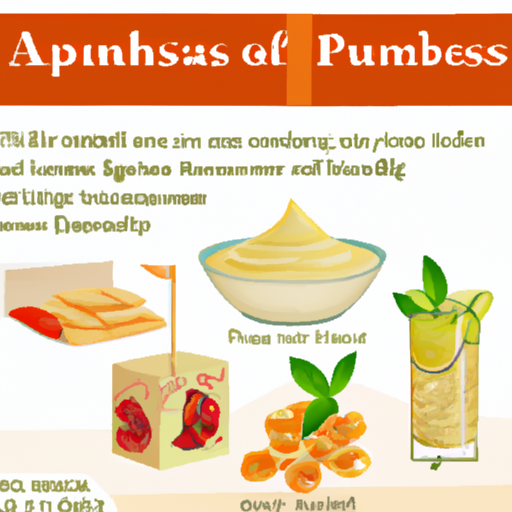
There are numerous options for savory snacks adhering to the Mediterranean diet guidelines. Flavorful hummus with a side of crisp veggies or a creamy bowl of Greek yogurt jazzed up with herbs are just to name a few.
Flavorful Hummus and Veggie Sticks
Hummus, made from blended chickpeas, tahini, olive oil, and spices, is a nutritional powerhouse that pairs perfectly with fresh vegetables. Try different types of veggies like bell peppers, cucumbers, or cherry tomatoes for a snack full of different textures and flavors.
Wholesome Greek Yogurt with Herbs
Greek yogurt is a tangy, creamy choice that’s incredibly versatile. Adding a sprinkle of herbs like dill, mint, or parsley can turn simple yogurt into a savory treat. Feel free to toss in a couple of Kalamata olives for a zesty edge
The Sweet Mediterranean Snacks
Not to forget the sweet tooth, fruits and nuts play a significant role in the Mediterranean diet.
Fresh Fruits and Nuts
Fresh fruits like grapes, oranges, and figs are a staple for a quick, easy snack. Pair them with a small portion of nuts to incorporate extra protein and healthy fats.
Honey-Drizzled Greek Yogurt
Adding a drizzle of honey to Greek yogurt is another delicious option. For a little crunch, sprinkle some chopped nuts or granola on top.
Whole Grain Snacks on the Mediterranean Diet
Whole grains are a key component of the Mediterranean diet and can make satisfying snacks too.
Whole Grain Bread with Olive Tapenade
Top a slice of whole-grain bread with a spread of homemade olive tapenade. This snack is rich in monounsaturated fats which are good for heart health.
Whole Grain Crackers and Cheese
Whole grain crackers with a slice of cheese provide protein and fiber that keep you full. Just ensure the cheese is low in fat and the crackers are low in salt.
Snack Along with Hydrating Drinks
Hydration is critical for your overall health, and water is the most important drink in the Mediterranean diet.
Drink Choices on the Mediterranean Diet
Water should be your drink of choice, followed by herbal teas. Although the Mediterranean diet allows moderate consumption of red wine, it should be done responsibly with meals.
Benefits of Drinking Herbal Teas
Herbal teas are a great way of staying hydrated and can be particularly relaxing. Certain teas like green tea have added health benefits like antioxidants.
Staying Hydrated with Infused Water
To make water more refreshing, try infusing it with fruits like lemon or cucumber.
Mediterranean Diet Snack Ideas for Kids
Healthy snacks can be enjoyable and fun. Get your kids involved in the preparation to make it a family activity.
Making Healthy Snacks Fun
Be creative to make the snacks fun and appealing. Cut fruits in fun shapes or let them make their own mini Greek yogurt bowls with their favorite toppings.
Snack Recipes Kids Can Help Prepare
Getting your kids involved in the kitchen is not only an educational experience but they are more likely to eat what they helped make. They can easily assist in preparing hummus or collecting ingredients for a yogurt bowl.
Spicing Up Mediterranean Snacks
Don’t shy away from using herbs and spices. They add a burst of flavor without the need for additional fats or sugars.
Using Mediterranean Herbs and Spices
Herbs like basil, parsley, and oregano or spices like cumin and paprika can greatly enhance the flavor profile of your snacks.
Adding Flavor without Added Calories
Spices and herbs add exciting flavors without adding extra calories, making them a healthier choice for seasoning your snacks.
Conclusion
Snacks on the Mediterranean diet are not just about munching between meals. It’s about selecting nutrient-rich foods and practicing portion control. Teach, share, and enjoy this wholesome approach along with your family and loved ones. Remember, the journey is about savouring and learning, making healthier choices, and ultimately transforming snacking into an enjoyable, healthy habit.
Leave a Reply