Are you curious about the best vegetables to incorporate into your Mediterranean diet? Look no further! In our forthcoming article, we’ll dive into the fantastic world of nutritious vegetables that are not only great for this beloved diet but also bring a smorgasbord of health benefits to your table.
Through our upcoming article, you’ll learn more about the unique profiles of these super veggies, their place in the Mediterranean diet, and even some delightful ways to prepare them. JD, a dedicated devotee of the Mediterranean lifestyle, is thrilled about sharing this information with you. As a father who values the time spent around the dinner table with his family, he understands the importance of choosing vegetables that not only taste good but also contribute to long-term health. So get ready to turn your diet into a Mediterranean feast!
Understanding the Mediterranean Diet
As you may know, the Mediterranean diet is characterized by its high consumption of vegetables, fruits, whole grains, legumes, and olive oil, along with moderate amounts of fish, poultry, and red wine. But have you ever wondered what specific vegetables are good for the Mediterranean diet? This article will dive into the various veggies that are not only central to the Mediterranean diet but also contribute to its numerous health benefits.
Understanding the Core Components of the Mediterranean Diet
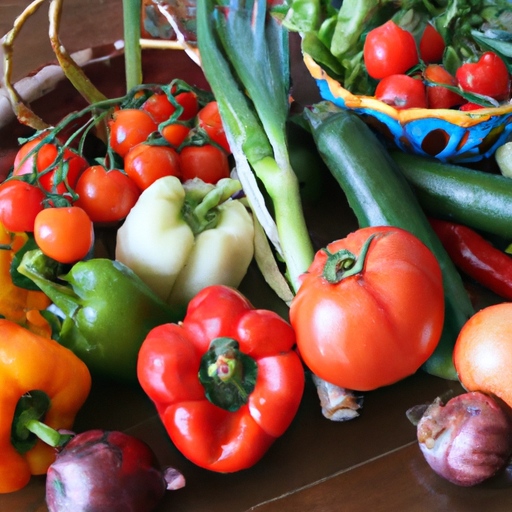
The Mediterranean diet emphasizes fresh, seasonal, and locally sourced foods, with vegetables playing a major role in almost every meal. The primary components include leafy green vegetables like spinach, kale, and chard; tomatoes; onions; garlic; bell peppers; eggplants; zucchini; and cucumbers.
The Health Benefits of a Mediterranean Diet
Numerous studies confirm the Mediterranean diet lowers the risk of heart disease, cancer, diabetes, and other chronic diseases. One study published in the New England Journal of Medicine even indicates it can help in weight loss and increase longevity.
Why Vegetables are Integral in the Mediterranean Diet
Vegetables are rich in fiber, vitamins, and minerals – essential elements that contribute to overall health and wellness. They keep you filled, help maintain a healthy weight, and provide energy.
Leafy Green Vegetables and the Mediterranean Diet
In the Mediterranean diet, leafy greens are a staple, packed with nutrients and versatility in their culinary uses.
The Nutritional Powerhouse: The Spinach
Spinach is rich in Vitamin A, C, K1, iron, and calcium. It has loads of antioxidants that help fight oxidative stress in your body, and research shows it can assist in maintaining blood pressure levels.
Kale: The All-rounder Green
Kale, like spinach, is nutritionally dense. It’s a wonderful source of Vitamins A, K, C, and B6; manganese; calcium; copper; potassium; and magnesium. Besides being a powerhouse of antioxidants, it also contains nutrients that support brain health – making it a staple in Mediterranean dishes.
Introducing Chard to Your Diet
Chard is another leafy green vegetable that’s common in Mediterranean cooking. High in vitamins A and K, it’s also a good source of magnesium, iron, and potassium.
Tomatoes: A Mediterranean Diet Staple
Tomatoes are present in countless Mediterranean dishes. They are juicy, sweet, and versatile, providing a robust flavor to any meal.
The Nutrition Profile of Tomatoes
Rich in the antioxidant lycopene, tomatoes are also packed with Vitamins C, K1, and B9; potassium; and folate. They contribute to heart health, cancer prevention, and skin health.
Versatility of Tomatoes in Mediterranean Dishes
Whether it’s a tomato-based sauce, fresh in salads, or sun-dried in pasta, you can add tomatoes to almost any Mediterranean meal.
How Tomatoes Boost Overall Health
Consistently eating tomatoes can decrease your chances of several ailments such as heart diseases and cancer, thanks to their antioxidant and vitamin content.
The Underestimated Power of Onions
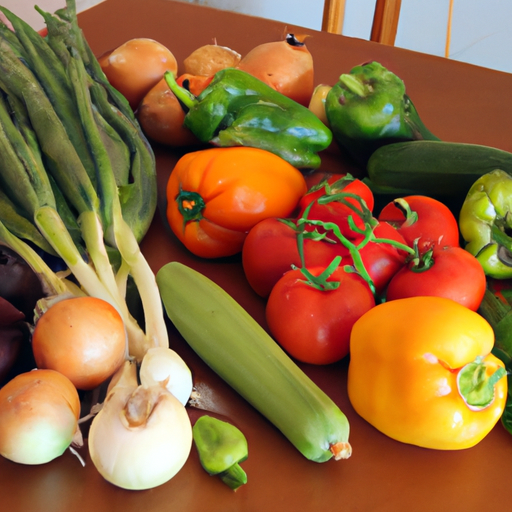
Onions are another versatile vegetable that is often an integral part of Mediterranean cooking. They add a complex flavor to dishes and are packed with health benefits.
Health Benefits of Including Onions to Your Meals
Onions are an excellent source of vitamin C, B vitamins, potassium, and sulfur compounds that have been linked to heart health and anti-inflammatory benefits.
Cooking with Onions: A Mediterranean Diet Essential
In Mediterranean cuisine, onions are used in various types of dishes, including stews, sauces, and salads, enhancing the flavors and contributing to your health.
Garlic: The Heart Healthy Vegetable
Garlic is a key component in the Mediterranean diet that’s known for its distinct taste and numerous health benefits.
Garlic and Cardiovascular Health
Multiple studies reveal garlic’s potential effects on heart health, thanks to its sulfur compounds that may lower cholesterol and blood pressure levels.
Maximizing the Health Benefits of Garlic
Crushing or chopping garlic and letting it rest before cooking can enhance its health-promoting properties.
Garlic in Mediterranean Cuisine: More Than A Flavor Enhancer
Garlic is used extensively in sauces, dressings, marinades, and sautéed dishes, adding a unique depth of flavor.
Bell Peppers and Mediterranean Style Cooking
Bell peppers add color, sweetness, and crunch to Mediterranean dishes while providing an array of health benefits.
The Colorful and Nutritious Bell Peppers
Bell peppers are loaded with vitamins A, B6, and C – they are low in calories and high in antioxidants.
Culinary Uses of Bell Peppers in the Mediterranean Kitchen
Whether they’re grilled, stuffed, roasted, or used in salads, bell peppers are a bright and tasty addition to any Mediterranean dish.
Eggplants: The Mediterranean Diet Superfood
Eggplants are a versatile ingredient that contributes a unique texture and taste to many Mediterranean dishes.
Nutritional Benefits of Eggplants
Eggplants are high in fiber, low in calories, and provide several vitamins and minerals, including manganese, B vitamins, and vitamin K.
Eggplants in Mediterranean Recipes
From moussaka to baba ganoush, eggplants are a star in Mediterranean cuisine, bringing both flavor and health benefits.
Zucchini and it’s Role in a Mediterranean Diet
Zucchini is a summer squash that’s low in calories and packed with essential nutrients, making it a great choice for the Mediterranean diet.
Understanding the Health Benefits of Zucchini
Rich in water and fiber, zucchini also provides B vitamins, vitamin C, and minerals like potassium and manganese.
Ensuring Zucchini in Your Mediterranean Meal Plan
Incorporating zucchini in your meals is simple – it’s great grilled, roasted, sautéed, or even spiralized as an alternative to pasta.
Cucumbers: A Hydrating Staple
Cucumbers have a high water content and are low in calories, making them ideal for hydration and weight management.
The Refreshing and Nutritious Cucumber
Cucumbers provide important vitamins and minerals and include antioxidants that may reduce oxidative stress and inflammation.
Utilizing Cucumbers in a Mediterranean Style Diet
Whether in a salad, tzatziki sauce, or eaten raw as a crunchy snack, cucumbers add a refreshing bite to Mediterranean meals.
Conclusion: Embracing the Mediterranean Diet
Learning and understanding the beneficial impact of the right vegetables in the Mediterranean diet can lead to greater health and well-being. The Mediterranean diet isn’t just a food trend; it’s a lifestyle, a celebration of fresh, high-quality, and flavorful foods.
Understanding How the Right Vegetables Enhance the Mediterranean Diet
Each vegetable in the Mediterranean diet has its unique profile of vitamins, minerals, and other beneficial compounds. From fighting disease to promoting a healthy weight, these veggies do it all.
Taking a Step Towards Health and Wellness with the Mediterranean Diet
Embracing the Mediterranean diet means enjoying the harmony of nutritious foods, like the vegetables covered in this article, while fostering better health and likely even adding years to your life. Here’s to vibrant meals and your excellent health, today and every day!
Enjoy the journey to a healthier lifestyle with this Mediterranean diet. Remember, it’s not just about what you eat, but how you eat. Take time to savor your food and enjoy sharing meals with family and friends. After all, good food and good company are the essence of the Mediterranean lifestyle.
So open your kitchen to the Mediterranean diet – make a simple, positive change for your health today. As you do, share your knowledge and experiences here at www.mediterraneandietrecipes.net. Bare in mind, your every step helps build a community and inspire others. JD, the author of this article, and the owner of the website, is a hands-on dad who wants to ensure a long, active, and healthy life with his family. The choice of a Mediterranean diet isn’t just for the impressive health benefits but for the joy of sharing high-quality food with loved ones.
What vegetables are good for the Mediterranean diet? After reading this, you surely know the answer. The key now is to transition the knowledge to your meals and enjoy the flavorful Mediterranean cuisine as the secret to health and wellness.
Leave a Reply